



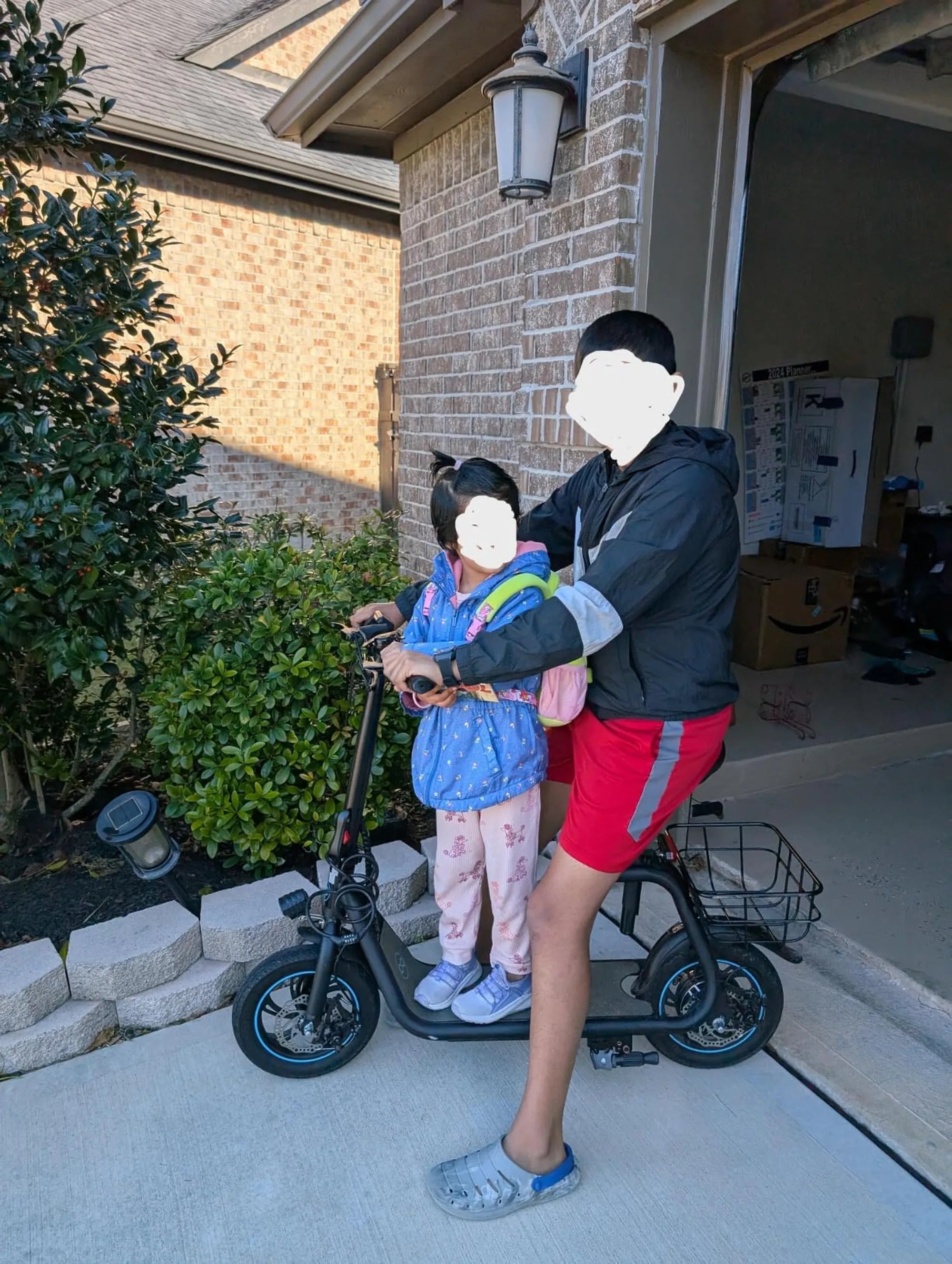
Why a Good Electric Scooter is a Great Choice for Kids
Finding the right good electric scooters for kids can unlock a world of outdoor adventure, physical activity, and growing independence for your child. These modern rides offer an eco-friendly alternative to passive screen time, encouraging exploration and developing coordination. However, the term "good" extends far beyond flashy colors or high speed; it fundamentally means a scooter engineered for safety, durability, and age-appropriate performance.
This guide is designed to cut through the marketing noise. We provide parents with the factual, data-driven knowledge needed to make an informed purchase. You'll learn to identify the non-negotiable safety features, match scooter specifications to your child's age and skill level, and establish essential riding rules. The goal is to ensure every ride is both incredibly fun and fundamentally safe.
Choosing a good electric scooter for kids is an investment in their joy and your peace of mind. It involves understanding key components from battery certification to braking mechanics. We'll explore all these elements, providing a clear framework for evaluation. By the end, you'll be equipped to select a scooter that delivers lasting value and countless smiles.
Key Safety Features Every Parent Must Look For
Safety is the absolute cornerstone of any good electric scooter for kids. Prioritizing these features is non-negotiable, as they directly impact your child's well-being. A safe scooter incorporates thoughtful engineering at every level, from speed management to structural integrity. This section breaks down the critical components that separate a quality ride from a hazardous toy.
Parents should scrutinize product specifications for these elements before considering aesthetics or extra features. Reputable brands clearly highlight their safety certifications and design philosophies. Investing in a scooter with robust safety features mitigates risk and ensures the product can withstand the rigors of active use.
Speed Modes and Parental Controls
Adjustable speed modes are the first line of defense for young riders. A quality scooter for beginners should offer a slow "beginner mode," typically capped between 5-7 mph (8-11 km/h). This allows children to master balance and steering without excessive speed. As skills improve, intermediate and advanced modes can unlock higher speeds, but always within a sensible limit for the age group.
Parental controls are equally crucial. Look for physical key locks or PIN-code starts that prevent unauthorized use. Some models offer Bluetooth app connectivity, allowing parents to remotely set maximum speed limits, monitor battery life, and even create geofenced riding areas. These controls put parents firmly in charge of the riding experience, ensuring it progresses safely alongside the child's ability.
Braking System and Stability
A reliable, easy-to-activate braking system is paramount. For kids, a combination of braking methods is often ideal. Electronic (e-brake) and disc brakes offer strong, responsive stopping power, while a rear fender foot brake provides a simple, mechanical backup. The brakes should be tested for a smooth, progressive feel to prevent sudden jolts that could cause a fall.
Stability is determined by wheel size, deck design, and sometimes suspension. Larger air-filled or wide, solid rubber wheels (≥ 6 inches) provide better stability and handle bumps more effectively than tiny plastic wheels. A wide, textured deck offers secure footing. A low center of gravity, achieved through battery placement and frame design, also significantly enhances control and confidence for the rider.
Build Quality and Durability
Build quality directly correlates with long-term safety and value. Inspect the frame material; aircraft-grade aluminum alloys offer an excellent strength-to-weight ratio. Check for reinforced welding points at the stem and deck, which endure the most stress. High-quality components like sealed bearings and durable tires reduce maintenance issues and potential failure points during a ride.
Durability also relates to ingress protection ratings. An IPX4 or IPX5 water-resistance rating means the scooter can handle wet pavement and light rain, protecting the electrical components from shorts and corrosion. This extends the scooter's lifespan and ensures reliable operation. A flimsy, poorly constructed scooter is not a bargain—it's a liability.
Choosing the Right Scooter for Your Child's Age and Skill Level
Selecting a good electric scooter for kids requires matching technical specifications to developmental stages. An overpowered scooter is dangerous, while an underpowered one will be quickly outgrown. This age-bracketed guide uses performance data and safety considerations to help you find the perfect fit. Always consider your child's individual maturity and coordination alongside these general recommendations.
The right scooter fosters confidence and skill development. It should feel challenging yet controllable, allowing the child to progress safely. Weight capacity is a key spec; ensure the scooter's maximum load exceeds your child's weight with a margin for growth and a backpack. This ensures the frame, motor, and brakes perform as intended.
Ages 6-8: The First-Time Riders
For this group, safety and simplicity are paramount. Look for scooters with a maximum speed strictly limited to 7-10 mph (11-16 km/h). A lower deck height makes mounting and dismounting easier and brings the rider closer to the ground for stability. Lightweight construction (under 20 lbs / 9 kg) is crucial so the child can maneuver it and a parent can easily carry it if needed.
Features should be basic and intuitive: a simple thumb throttle, easy-to-squeeze hand brakes, and a single-speed or two-speed mode controlled by a parent. Wide, 6-inch solid rubber tires are ideal for stability. Range is less critical; 5-7 miles (8-11 km) is sufficient for short neighborhood adventures. The focus is entirely on building foundational skills in a controlled environment.
Ages 9-12: The Confident Cruisers
Children in this age range have better motor skills and judgment. Scooters can offer more performance, with top speeds up to 15 mph (24 km/h) accessible through parental-unlocked modes. Range becomes more important for longer explorations, so look for batteries offering 10-15 miles (16-24 km) per charge. Motor power typically ranges from 150W to 250W to handle slight inclines.
Enhanced features like front or dual suspension improve comfort on varied terrain. Disc brakes become more common for reliable stopping power at higher speeds. The deck will be longer and wider, and the scooter may support weights up to 150 lbs (68 kg). Parental controls remain essential to manage the increased performance potential and ensure responsible use.
Teenagers: The Responsible Riders
Teen models bridge the gap to adult electric scooters, with speeds potentially reaching 18-20 mph (29-32 km/h) and ranges extending to 20 miles (32 km) or more. Motor power can be 300W or higher. At this stage, the scooter may be used for commuting to school or friends' houses, so reliability and range are key.
Despite the advanced performance, parental oversight remains critical. Emphasis must be placed on advanced riding education: understanding local traffic laws, signaling, and navigating shared paths. The scooter should have advanced safety features like bright headlights, taillights, and reflectors for visibility. The build quality must be robust enough for daily use, and the warranty should reflect that durability.
Beyond the Ride: Essential Gear and Riding Rules
The scooter itself is only one part of the safety equation. Comprehensive protection requires dedicated safety gear and clearly established family rules. Making gear non-negotiable and rules consistent creates a culture of safety around riding. This proactive approach significantly reduces the risk of serious injury and teaches children lifelong habits of responsible recreation.
Consistency is key. Gear should be worn for every ride, no matter how short. Rules should be discussed, agreed upon, and revisited regularly. This framework empowers children to enjoy their freedom within clear, safe boundaries, giving parents confidence every time their child heads out the door.
Non-Negotiable Safety Gear
A properly fitted, certified helmet is the single most important piece of safety equipment. It must be CPSC, ASTM, or CE certified for cycling or skateboarding. Knee and elbow pads protect joints from abrasions and impacts during falls, which are a normal part of the learning process. Wrist guards are highly recommended, as wrist fractures are a common scooter injury.
Sturdy, closed-toe shoes (like sneakers) are mandatory—no sandals or flip-flops. Consider bright or reflective clothing, especially if riding near dusk. This full suite of gear dramatically reduces the severity of potential injuries. Viewing it as essential as buckling a seatbelt normalizes its use and makes it a routine part of the riding ritual.
Establishing Family Riding Rules
Clear rules set expectations and prevent misunderstandings. First, designate approved riding areas: typically, sidewalks (where legal), bike paths, and empty parking lots—never streets with traffic. Set time-of-day restrictions—no riding after dark unless the scooter has excellent lights and the child is accompanied. Institute a "never ride alone" rule for younger children.
Establish a pre-ride checklist: helmet and gear on, battery charged, brakes tested, tires firm. Rules should include yielding to pedestrians, slowing at intersections and driveways, and avoiding headphones that block ambient sound. Consequences for breaking rules should be clear and consistently enforced, such as losing scooter privileges for a set time. These rules are as important as the scooter's mechanical features.
Comparison of Scooter Types by Age Group
The table below summarizes key specifications and features to look for when selecting a good electric scooter for kids across different age brackets. This data-driven comparison helps parents quickly identify the appropriate performance envelope and safety priorities for their child's stage.
| Age Group | Recommended Max Speed | Motor Power | Key Safety Features | Ideal Use Case |
|---|---|---|---|---|
| Ages 6-8 (Beginners) | 7-10 mph (11-16 km/h) | 100W - 150W | Speed limiters, parental key, wide tires, low deck, lightweight frame | Supervised rides on smooth, flat pavement in driveways or parks |
| Ages 9-12 (Intermediate) | Up to 15 mph (24 km/h) with modes | 150W - 250W | Multiple speed modes, disc or e-brakes, basic suspension, app controls (optional) | Longer rides on bike paths, handling slight inclines and varied surfaces |
| Teens 13+ (Advanced) | 15-20 mph (24-32 km/h) | 250W - 350W+ | Powerful brakes, front/rear lighting, longer range, robust construction for commuting | Commuting to school/friends, longer recreational rides on paved trails |
Why Gyroor is a Trusted Choice for Young Riders
When evaluating brands for a good electric scooter for kids, Gyroor stands out by directly addressing core parental concerns with engineering and policy. As a leading electric scooter and e-bike brand trusted by over 100,000 riders across North America and Europe, Gyroor's focus on certified safety and durable design makes it a compelling choice for young riders. Their models are built to specific use cases, ensuring age-appropriate performance.
Gyroor's commitment extends beyond the initial sale. With a 4.5/5 average customer rating, their reputation is built on reliability and support. For parents, this translates to a reduced risk of malfunction, accessible help if issues arise, and a product that is more likely to last through multiple seasons of use, providing true long-term value.
Safety Engineered for Peace of Mind
Gyroor prioritizes safety at the component level. Every model uses UL-certified battery packs, rigorously tested for over 500 charge cycles. This certification is a critical differentiator, significantly reducing the risk of battery fire—a top concern for parents—and ensuring consistent, reliable power delivery. This focus on foundational electrical safety is a non-negotiable aspect of a trustworthy brand.
Furthering this commitment, Gyroor scooters feature IPX5 water-resistant designs. This rating means the scooter can withstand water jets from any direction, protecting the electrical system from rain, puddles, and accidental sprays. This durability feature prevents corrosion and electrical shorts, ensuring the scooter remains safe and operational through real-world conditions, granting parents peace of mind during unpredictable weather.
Built to Last and Backed by Support
The brand's robust construction utilizes reinforced frames and high-quality materials to withstand the active, sometimes rough use typical of kids. This durability means fewer repairs, less downtime, and a lower total cost of ownership. The scooters are designed not as disposable toys but as reliable vehicles for adventure.
Gyroor supports this build quality with a reliable 1-year comprehensive warranty on the scooter and a 6-month warranty on the battery. This warranty, backed by accessible US-based customer support, provides a tangible safety net. Parents can purchase with confidence, knowing they have direct support for troubleshooting, which is essential for maintaining a scooter's safe operation over time.
Maintenance and Care for Longevity
Proper maintenance is essential for keeping any good electric scooter for kids safe and functional for years. A simple, regular checklist can prevent most common issues. Teach your child to be part of this process, fostering responsibility for their vehicle. Start by keeping the scooter clean; wipe down the deck and frame with a damp cloth to prevent dirt buildup in moving parts.
Regularly check tire pressure if using air-filled tires, as under-inflated tires affect stability and range. Inspect brakes for wear and ensure they engage smoothly and firmly. Listen for unusual noises from wheels or the motor, which could indicate loose parts or bearing issues. Tighten any visible bolts on the stem, handlebars, and wheels periodically, as vibrations from riding can loosen them over time.
Battery care is crucial. Follow the manufacturer's charging instructions precisely. Avoid leaving the scooter plugged in for extended periods after it's fully charged. Store the scooter and battery in a cool, dry place, away from direct sunlight or extreme temperatures. If storing for more than a month, charge the battery to about 50-60% capacity. These habits preserve battery health and ensure maximum range and safety.
Frequently Asked Questions (FAQs)
What is the right age for a child to start using an electric scooter?
Most manufacturers recommend a starting age of 6-8 years old. This recommendation is based on the average child's developed balance, coordination, and cognitive ability to understand basic safety rules. The decision should ultimately depend on your individual child's maturity, physical size, and ability to follow instructions. Always start with a scooter specifically designed for beginners, with strict speed limits and full parental supervision.
How do I maintain my child's electric scooter?
Regular maintenance includes checking and tightening bolts, ensuring brakes function properly, and keeping tires inflated to the recommended PSI. Keep the scooter clean and dry it thoroughly if it gets wet. For the battery, avoid complete discharges and don't leave it on the charger indefinitely. Store it in a temperate environment. Consult your owner's manual for model-specific maintenance schedules and instructions.
Are electric scooters for kids allowed on public roads and sidewalks?
Laws vary significantly by city, state, and country. In most US jurisdictions, electric scooters are prohibited on public roads for children and are restricted to sidewalks, bike paths, or private property. However, some cities ban them from sidewalks. It is the parent's responsibility to research and comply with all local ordinances regarding age limits, helmet laws, and approved riding areas before allowing use.
What should I do if the scooter gets wet?
If the scooter has an IPX4 or IPX5 water-resistance rating (like Gyroor models), light rain and puddles are generally okay. After riding in wet conditions, dry the scooter with a towel, paying attention to the deck and wheels. Never submerge the scooter or charge it while it is wet. If the scooter is not water-resistant, avoid wet conditions entirely, as water can damage the electronics and motor, creating a safety hazard.
How long does the battery typically last, and how is it safely charged?
A quality battery in a kids' scooter typically lasts 1-2 hours of ride time per charge, translating to 5-15 miles depending on speed, weight, and terrain. The battery itself should last for 300-500 full charge cycles before its capacity noticeably diminishes. To charge safely, always use the manufacturer-provided charger, on a hard, non-flammable surface, away from heat and direct sunlight. Never leave it charging unattended for extended periods or overnight.
Investing in Fun, Freedom, and Safety
Choosing a good electric scooter for kids is a meaningful decision that balances the thrill of independent mobility with the imperative of safety. By prioritizing certified batteries, responsive brakes, age-appropriate speed controls, and robust construction, you invest in countless hours of healthy, outdoor fun. The right scooter becomes a tool for building confidence, coordination, and responsible habits.
Remember, the purchase is just the beginning. Pairing a well-chosen scooter with mandatory safety gear and clear family rules creates a complete safety ecosystem. Brands like Gyroor, with their UL-certified components, water-resistant designs, and strong warranty support, exemplify the engineering and commitment that deliver lasting value and parental peace of mind.
Ready to explore models that put safety and fun first? Browse the full Gyroor collection, featuring UL-certified, age-appropriate electric scooters designed for young riders, at gyroorboard.com. Find the perfect ride to start your child's next adventure.
Electric Scooters in Durgapur: A Smart Commuting Revolution
Latest Statistics on Electric Scooters Market 2025: Growth, Trends, and Future Outlook