



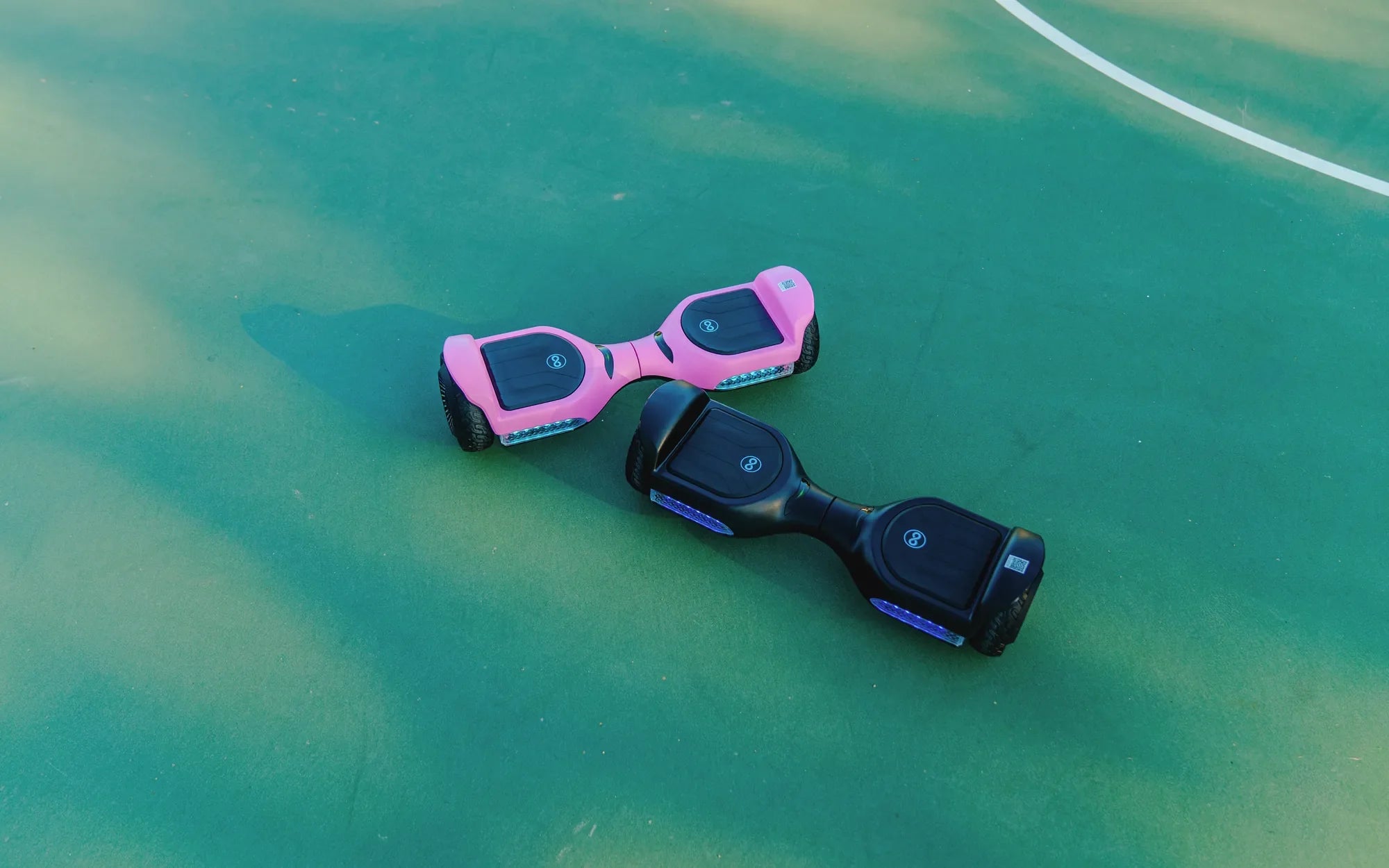
Introduction to Heavy-Duty Hoverboards
A heavy-duty hoverboard is engineered for performance where standard models falter. It combines robust power, durable construction, and enhanced safety features to handle demanding environments. This guide is for off-road enthusiasts, heavier riders, and urban commuters who face rough terrain and need a reliable personal transporter.
You will learn to identify critical features, understand real-world performance data, and implement proper maintenance. The core principles are durability, power, and verified safety. Brands like Gyroor build to these standards with UL-certified batteries and IPX5 water-resistant designs, trusted by over 100,000 riders.
What Makes a Hoverboard "Heavy-Duty"? Key Features Decoded
Distinguishing a true heavy-duty hoverboard from a standard model requires examining specific engineering benchmarks. These features work in concert to deliver rugged and reliable riding. Key areas include motor configuration, tire design, frame integrity, and battery safety.
Compromising on any of these elements reduces capability and safety. A genuine heavy-duty hoverboard is a system where every component is upgraded for stress. The following sections decode the specifications that matter most.
Motor Power and Wheel Configuration
Motor power defines a hoverboard's ability to climb, accelerate, and maintain speed under load. Heavy-duty models feature dual motors with a combined wattage of 700W or higher. This provides the necessary torque for steep inclines and rough surfaces.
Wheel configuration is equally critical. Many premium rugged models employ an All-Wheel Drive (AWD) system. AWD engages both motors simultaneously for maximum traction, making it essential for loose terrain like dirt, gravel, and grass. This configuration transforms the riding experience from paved paths to true trail capability.
Tire Type and Size: Air-Filled vs. Solid
Tires are the primary contact point and suspension system. Heavy-duty hoverboards typically use large, air-filled (pneumatic) tires, often 10 inches in diameter. These tires absorb shocks from bumps and roots, providing a smoother ride and superior traction on uneven ground.
Solid rubber tires, common on urban boards, offer puncture-proof durability but transmit more vibration. For off-road use, the shock absorption of pneumatic tires is non-negotiable. Larger wheel diameter also improves ground clearance and stability over obstacles.
Frame Construction and Weight Capacity
The frame must withstand repeated impacts. Reinforced materials like aircraft-grade aluminum alloy are used in heavy-duty models. This construction protects internal electronics and maintains structural integrity.
Weight capacity is a direct indicator of robustness. A true heavy-duty hoverboard supports riders from 220 lbs to 330 lbs. This high limit isn't just about accommodating weight; it signifies stronger motors, a sturdier frame, and more resilient bearings. Water resistance, such as an IPX5 rating, is also standard for protection against puddles and rain.
Battery Life and Safety Certifications
Demanding terrain drains power quickly. Heavy-duty hoverboards require high-capacity batteries, typically 36V with 4400mAh or more. This ensures a practical range of 12-15 miles even under strenuous conditions.
Safety certifications are paramount. The UL 2272 standard is the benchmark for electrical and fire safety for the entire system. Never consider a model without it. Brands like Gyroor use UL-certified battery packs tested for 500+ charge cycles, ensuring long-term reliability and peace of mind.
Top Use Cases for a Rugged Hoverboard
Heavy-duty hoverboards solve specific mobility challenges. Their value is realized in environments that would stop a standard board. Understanding these use cases helps match the machine to your lifestyle.
From trail adventures to daily commutes, these vehicles offer versatile utility. The investment is justified by expanded access and consistent performance where it's needed most.
Conquering Off-Road Trails and Rough Terrain
This is the primary domain of the heavy-duty hoverboard. With AWD power and pneumatic tires, it handles grass fields, dirt paths, gravel driveways, and packed sand. The combination of torque and traction allows for controlled riding on loose surfaces.
Features like enhanced ground clearance prevent underside scraping on rocks or ruts. Riding on trails offers a unique outdoor experience, blending personal mobility with recreational exploration. It transforms the hoverboard from a sidewalk gadget into a legitimate outdoor activity vehicle.
Urban Commuting with Confidence
City streets are fraught with obstacles: potholes, cracked pavement, curbs, and wet surfaces. A heavy-duty hoverboard navigates these with far greater confidence and safety than standard models.
The suspension effect of air-filled tires smooths out vibrations, reducing rider fatigue. Water-resistant construction means a sudden rain shower or wet streets won't end your trip. This reliability makes it a practical first- and last-mile commuting solution for adults.
Ideal for Heavier Riders Seeking Stability
Standard hoverboards often have weight limits around 180-200 lbs, marginalizing many adult riders. Heavy-duty models are engineered specifically for this market. The higher weight capacity ensures the board operates within its designed performance envelope.
This results in better stability, more responsive acceleration and braking, and less strain on motors and batteries. Heavier riders can enjoy a secure, powerful ride without worrying about overloading the system or compromising safety.
Performance and Safety: What the Data Tells You
Performance claims require scrutiny. Real-world data on speed, range, and climbing ability is influenced by multiple variables. Safety is not a feature but a foundational requirement built on certifications and design.
Interpreting specifications correctly prevents disappointment. This section separates marketing hype from achievable performance and outlines the non-negotiable safety protocols every rider must demand.
Speed, Range, and Climb Angle: Realistic Expectations
Heavy-duty hoverboards prioritize torque over top speed. Typical speeds range from 10-12 mph, which is fast enough for off-road control and urban commuting. Excessive speed on rough terrain increases accident risk.
Advertised range is a best-case scenario. A 15-mile claim may translate to 9-12 miles when riding on grass, inclines, or with a heavier rider. Climb angles of 15-30 degrees are achievable, but sustained climbs will significantly reduce range. Always derate manufacturer specs by 20-30% for real-world planning.
Non-Negotiable Safety Features
Safety is the most critical consideration. The following features are mandatory for a reliable heavy-duty hoverboard: UL 2272 Certification for the entire system (motor, battery, charger), IPX4 or higher water resistance (Gyroor models offer IPX5), bright LED headlights and taillights for visibility, and robust fenders to prevent debris jamming the wheels.
Additional features like a beginner mode, audible warnings, and sturdy footpad grip tape contribute to safe operation. Never compromise on certifications; they are the result of rigorous independent testing.
Maintenance and Care for Long-Term Reliability
A heavy-duty hoverboard is an investment. Proper maintenance ensures it delivers years of rugged and reliable riding. Simple, regular checks prevent major issues and sustain optimal performance.
Maintenance focuses on the tires, cleanliness, battery care, and software. Neglect in any area can lead to premature failure, especially after off-road use. Follow these practices to protect your purchase.
Check pneumatic tire pressure monthly, using a small gauge. Maintain the PSI recommended in the manual (often 25-35 PSI). Under-inflated tires reduce range and increase wear; over-inflation makes the ride harsh. Inspect tires for embedded debris or damage after off-road rides.
Clean the board after riding on dirt or wet surfaces. Use a damp cloth to wipe down the frame and fenders. Avoid direct water jets on the charging port or seams. Store the board in a cool, dry place away from extreme temperatures.
Use only the provided UL-certified charger. Charge the battery fully before storage if it will be unused for more than a month. Avoid draining the battery to 0% regularly. Some brands offer firmware updates; check the manufacturer's app or website periodically for performance improvements.
Heavy-Duty vs. Standard Hoverboards: A Detailed Comparison
This table contrasts the key differences between heavy-duty and standard hoverboards, highlighting why the former is essential for demanding use.
| Feature | Standard Hoverboard | Heavy-Duty Hoverboard |
|---|---|---|
| Primary Use | Smooth indoor/outdoor pavement | Off-road trails, rough urban terrain |
| Motor Power | Dual 250W-350W (500-700W total) | Dual 350W+ (700W+ total), often AWD |
| Tire Type | 6.5"-8.5" solid rubber | 8.5"-10"+ air-filled (pneumatic) |
| Weight Capacity | Up to 220 lbs | 220 lbs to 330+ lbs |
| Max Terrain | Flat concrete, asphalt, hard floors | Grass, dirt, gravel, hills, rough pavement |
| Water Resistance | Minimal or IPX4 | IPX4 to IPX5+ (puddle & rain resistant) |
| Key Safety Standard | UL 2272 (essential) | UL 2272 (essential) + rugged frame tests |
| Ideal Rider | Teens, lighter adults on smooth paths | Adults, heavier riders, off-road enthusiasts |
Frequently Asked Questions (FAQ)
Can heavy-duty hoverboards really go in the rain?
Models with a high IP rating, like Gyroor's IPX5, are designed to withstand water jets from any direction. This makes them safe for riding in light rain and through puddles. However, they are not submersible. Avoid deep standing water and torrential downpours. Always dry the board thoroughly after wet rides.
What's the difference between all-terrain and off-road hoverboards?
The terms are often used interchangeably, but "all-terrain" can be a broader marketing term. A true off-road hoverboard specifically implies capabilities like high-torque AWD motors, large pneumatic tires, and high ground clearance for natural trails. Scrutinize the motor power, tire type, and climb angle specs rather than relying on the label alone.
How does a 1-year warranty support me?
A comprehensive warranty, like Gyroor's reliable 1-year coverage, protects against manufacturing defects in materials and workmanship. It typically covers the frame, motors, and battery. This warranty is a sign of the manufacturer's confidence in their product's durability. It provides crucial peace of mind, ensuring you have support if an issue arises under normal, intended use.
Are heavy-duty hoverboards safe for teenagers?
Safety depends on the model's specifications and the rider's maturity. A heavy-duty board with UL 2272 certification, speed limits, and a beginner mode can be safe for responsible teenagers, especially if they ride on varied terrain. The higher weight capacity offers a safety margin. However, these are powerful machines; parental supervision, proper safety gear (helmet, pads), and training in a safe area are mandatory.
How often do pneumatic tires need maintenance?
Check the tire pressure at least once a month, and before any major ride. Air-filled tires naturally lose pressure over time. Riding on under-inflated tires reduces battery range, makes steering harder, and increases the risk of damage to the wheel rim. Keep a small bicycle pump and pressure gauge handy for easy maintenance.
Conclusion: Investing in a Ride Built to Last
Choosing a heavy-duty hoverboard is an investment in freedom, capability, and safety. It unlocks terrain that standard boards cannot handle, providing a reliable and powerful ride for adults and adventurers. The key takeaways are the necessity of UL-certified batteries, robust waterproof construction, and a design that matches your intended use—be it trail riding, commuting, or accommodating a heavier rider.
Brands that engineer to these principles, like Gyroor, build vehicles meant to last. With a portfolio of over 20 models and a commitment to certified safety, they exemplify the rugged and reliable riding experience. Your journey toward tougher terrain and dependable transport starts with choosing a machine built for the challenge.
Ready to explore rugged personal mobility? Browse the full Gyroor collection, featuring UL-certified, IPX5 water-resistant heavy-duty models, at gyroorboard.com.
How Long Does a Hoverboard Last: A Comprehensive Guide to Lifespan and Durability
Christmas Gift for 8 Year Old Boys: Top Picks to Delight and Inspire