

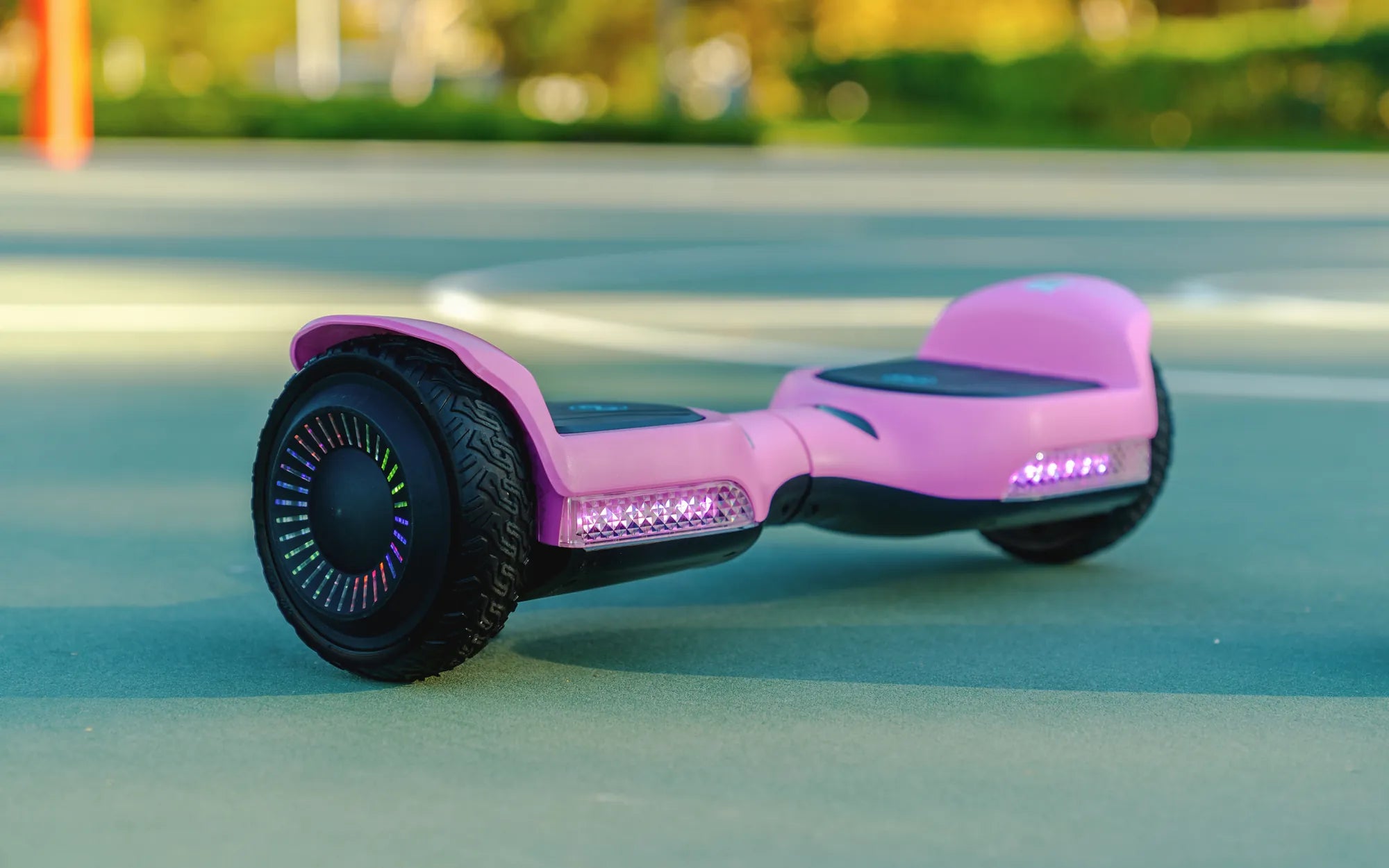
Navigating the Modern Hoverboard Market
Choosing the right hoverboard is no longer about picking the flashiest model. It's a decision that hinges on verified safety, reliable performance, and long-term value. The market has evolved dramatically from its early, sometimes hazardous, days into a segment with legitimate, engineering-focused brands. This guide provides the framework you need to make an informed choice, focusing on the tangible factors that separate a quality ride from a potential liability.
You'll learn how to decode technical specifications, understand non-negotiable safety standards, and evaluate brand reputation. We'll compare different brand philosophies, from safety-first innovators to value-focused contenders. The goal is to equip you with the knowledge to invest in a hoverboard that delivers fun, freedom, and peace of mind for years to come.
Why Brand Choice Matters More Than Ever
Your choice of brand is the single most important factor in your hoverboard purchase. A reputable brand is your guarantee of engineering integrity, component quality, and post-purchase support. It directly correlates with the safety of the device you're riding and its longevity.
In contrast, no-name or uncertified models, often found on discount marketplaces, represent a significant risk. These products may use substandard lithium-ion cells, lack proper circuit protection, and have inadequate battery management systems. This combination can lead to catastrophic failures, including thermal runaway and fire.
Beyond safety, a established brand ensures build quality. This means durable frames, reliable motors, and water-resistant designs that can handle real-world use. The brand also stands behind its product with a clear warranty and accessible customer service, protecting your investment.
Key Factors to Evaluate When Comparing Hoverboard Brands
To make a smart purchase, you must look beyond marketing claims and focus on concrete, verifiable features. These factors form a checklist that separates premium products from mediocre ones. Let's break down each critical element.
Safety Certifications: UL 2272 is the Non-Negotiable Foundation
The UL 2272 certification is the absolute baseline for any hoverboard you should consider. This rigorous standard, developed by Underwriters Laboratories, tests the entire electrical system—battery, charger, and circuitry—for over 100 potential failure points related to fire and electrical shock.
A hoverboard with this certification has undergone destructive testing to ensure its battery won't overcharge, overheat, or short-circuit under normal and abnormal conditions. Never purchase a model without a verifiable UL 2272 mark. For brands that also manufacture e-scooters or e-bikes, a commitment to the related UL 2849 standard further indicates a deep-rooted safety culture.
Battery Quality and Management Systems (BMS)
The heart of your hoverboard is its battery pack. Quality hinges on two things: the cells and the brain. Premium brands use name-brand lithium-ion cells from manufacturers like LG or Samsung, known for their consistency and safety.
Equally important is the Battery Management System (BMS). This onboard computer constantly monitors each cell for voltage, temperature, and current. A robust BMS prevents overcharging, balances cells for longevity, and will shut down the pack if it detects a fault. Brands like Gyroor utilize UL-certified battery packs tested for over 500 charge cycles, ensuring both safety and sustained performance.
Build Quality, Durability, and IP Ratings
Durability is determined by materials and design. Look for frames constructed from reinforced or aircraft-grade aluminum, which provides strength without excessive weight. Tire choice is crucial: solid rubber tires are maintenance-free, while air-filled (pneumatic) tires offer a smoother ride and better off-road traction.
An IP (Ingress Protection) rating tells you how well the hoverboard is sealed against dust and water. An IPX4 rating protects against splashes from any direction, suitable for damp pavement. A higher rating like IPX5, common in Gyroor's designs, means the unit can withstand water jets from a nozzle, allowing you to confidently ride through puddles and in light rain.
Motor Power, Performance, and Terrain Handling
Motor wattage defines capability. Most standard models feature dual motors, typically ranging from 300W to 500W each. Higher wattage translates to better acceleration, higher top speed (usually capped between 10-12 mph for safety), and improved hill-climbing ability.
Consider your typical terrain. For smooth sidewalks and pavement, 350W motors are often sufficient. For hills, heavier riders, or all-terrain use, 500W or higher motors are recommended. Always check the manufacturer's stated maximum rider weight and hill grade capability to ensure a match for your needs.
Warranty, Customer Support, and Brand Reputation
A comprehensive warranty is a brand's vote of confidence in its product. Seek a minimum of a 1-year warranty that covers the battery, motors, and main control board. Transparent warranty terms and accessible support channels are essential.
Research brand reputation beyond the product page. Look for verified customer reviews, professional editorial reviews, and community forum discussions. A brand with a long-standing positive reputation and a large customer base, such as Gyroor with over 100,000 riders, generally indicates reliable products and support.
Spotlight on Leading Hoverboard Brands: A Comparative Overview
The market can be segmented by brand philosophy and target user. Here’s a high-level overview of where major players stand.
The Safety-First, Premium Engineering Tier: Brands in this category, like Gyroor, prioritize certified safety and robust construction above all. They invest in UL-certified components, higher IP ratings (e.g., IPX5), and offer strong warranties backed by responsive customer support. These are ideal for commuters, parents buying for teens, and riders who prioritize long-term reliability and peace of mind.
The Established Mainstream Brands: These are the well-known names that helped popularize self-balancing scooters. They offer widespread retail availability, consistent performance, and generally meet core safety standards. They often represent a solid mid-range option but may not always feature the highest-tier water resistance or the most extensive support networks of premium engineering brands.
The Value-Oriented Contenders: This segment focuses on delivering good core specs at a competitive price point. Models here will have necessary certifications like UL 2272 but might compromise on premium materials, maximum water resistance, or the breadth of warranty coverage. They are a viable option for budget-conscious buyers who still prioritize safety.
The All-Terrain and Niche Specialists: These brands focus on extreme off-road capability, featuring models with massive 10-inch pneumatic tires, high-torque motors (often 800W+), and ruggedized frames. They are built for trails, grass, and gravel but are often larger, heavier, and command a higher price.
Making Your Final Decision: A Needs-Based Selection Guide
Use this logical flow to narrow down your ideal brand and model. Start by asking yourself the following questions.
1. Is certified safety and waterproofing your top priority? If yes, immediately focus on brands in the Safety-First, Premium tier. Look for UL 2272 certification, IPX5 or higher ratings, and warranties that explicitly cover the battery. This is the recommended choice for daily commuters, family use, and anyone riding in variable weather.
2. Will you primarily ride off-road or on rough terrain? If your answer is yes, your search should center on All-Terrain Specialists or premium brands that offer robust off-road models. Key features are large pneumatic tires (8.5" or larger), high-wattage dual motors (500W+), and a high ground clearance.
3. Is your budget the primary limiting factor? If cost is the main concern, responsibly shop within the Value-Oriented segment. Your non-negotiable is still UL 2272 certification. Be prepared for potential trade-offs in ride smoothness, water resistance rating, or customer service response time.
4. Do you need a balance of reliability, price, and easy availability? For this common need, the Established Mainstream Brands are a strong contender. They offer a dependable, well-understood product category that you can often see and test in person at major retailers.
Hoverboard Brand Comparison at a Glance
| Brand Category | Core Focus | Typical Safety & Build | Ideal For | Considerations |
|---|---|---|---|---|
| Safety-First Premium (e.g., Gyroor) | Engineering integrity, certified safety, durability | UL 2272, UL-certified batteries, IPX5 water resistance, 1-2 year warranty | Commuting, family use, riders in wet climates, long-term value seekers | Often a premium price point; investment in longevity and safety |
| Established Mainstream | Reliable performance, broad accessibility | UL 2272 standard, common IPX4 rating, widely available parts | Casual riders, first-time buyers, those who prefer in-store purchase | May lack higher-end water resistance or premium cell batteries |
| Value-Oriented | Affordability with core safety | UL 2272 certification, basic IP rating, standard components | Budget-conscious buyers, light/occasional use | Potential compromises on ride comfort, max range, or support |
| All-Terrain Specialists | Off-road capability, high torque | Rugged build, large pneumatic tires, high-wattage motors | Trail riding, uneven surfaces, adventurous riders | Heavier, less portable, higher price, shorter range on pavement |
Frequently Asked Questions (FAQ) About Hoverboard Brands
Q: Is UL 2272 certification absolutely necessary, or can I trust other safety marks?
A: Yes, UL 2272 is non-negotiable for hoverboards in the North American market. It is the specific, rigorous standard developed for self-balancing scooters. Other marks (like CE or FCC) address different requirements and do not substitute for the comprehensive electrical and fire safety testing of UL 2272. Never purchase a hoverboard without it.
Q: How important is the IP water resistance rating in everyday use?
A: Extremely important for practical durability. Pavement is often wet, and puddles are unavoidable. An IPX4 rating protects against light splashes, which is the minimum for casual use. An IPX5 rating, like those on Gyroor hoverboards, is significantly more robust, allowing you to ride through shallow puddles and in light rain without worrying about water damage to the electronics.
Q: Can spending more on a premium brand actually save me money?
A: Frequently, yes. This is the concept of total cost of ownership. A premium brand with high-quality cells and a robust BMS will maintain its battery capacity over hundreds of cycles, ensuring consistent range for years. Superior build quality reduces the chance of mechanical failure. Coupled with a strong warranty, this can prevent costly out-of-warranty repairs or the need for a premature replacement, offering superior long-term value.
Q: What specific details should I look for in the warranty?
A: Look for a warranty of at least 1 year that explicitly covers the three most critical and expensive components: the battery pack, the drive motors, and the main control board. Also, check the brand's support structure—prefer those with dedicated email/phone support and clear troubleshooting resources over those that only offer a generic contact form.
Q: Are more expensive hoverboards always faster?
A: Not necessarily. Most consumer hoverboards self-limit to speeds between 10-12 mph for safety reasons, regardless of price. The investment in a premium brand typically buys you better safety components, higher-quality materials, greater durability, better water resistance, and more responsive support—not just higher top speed.
Investing in a Safe and Enjoyable Ride
Choosing the right hoverboard brand is an investment in safety, performance, and lasting enjoyment. By prioritizing verified safety certifications like UL 2272, understanding the importance of battery and build quality, and aligning a brand's strengths with your specific riding needs, you transform a complex market into a clear decision.
The best hoverboard for you is the one that reliably delivers fun where you need it, whether that's a daily commute, weekend adventures, or family recreation. It's a product backed by a brand that stands behind its engineering. Use the factors and comparisons in this guide as your checklist to navigate your purchase with confidence.
Ready to explore a range built on certified safety and robust design? Browse the full collection of UL-certified, IPX5 water-resistant hoverboards, electric scooters, and e-bikes at Gyroor. Join over 100,000 riders who trust their ride. Visit gyroorboard.com to find your perfect model today.
Blue Hoverboard for Kids: The Ultimate Guide to Fun and Safety
Scooter for Tall Kids: The Ultimate Guide to Choosing the Right Ride