


Imagine gliding effortlessly down the street, turning heads as you zip past on a sleek, self-balancing device. Hoverboards have captured the imagination of millions, blending futuristic appeal with practical transportation. But what exactly is a hoverboard, and how does it work? This guide dives deep into the hoverboard description, uncovering its mechanics, benefits, and what makes it a must-have for tech enthusiasts and commuters alike.
What Is a Hoverboard?
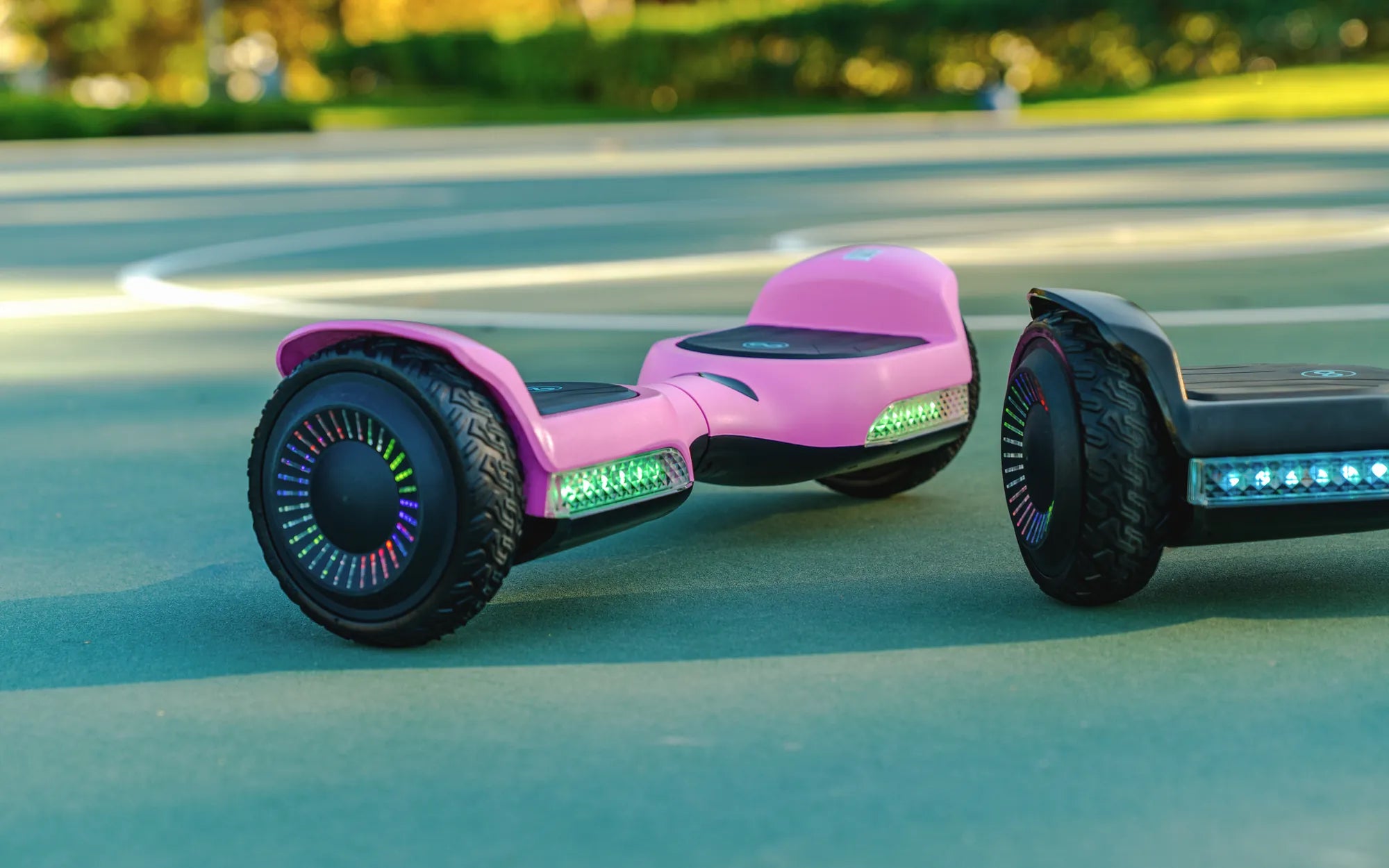
A hoverboard is a two-wheeled, self-balancing electric scooter that responds to the rider's movements. Unlike traditional skateboards, hoverboards use gyroscopic sensors and motors to maintain balance, allowing users to control speed and direction by leaning forward or backward. The term "hoverboard" is somewhat misleading, as these devices don't actually hover—they roll on wheels. However, their futuristic design and smooth operation have made them a popular choice for short-distance travel and recreational use.
How Does a Hoverboard Work?
The magic of a hoverboard lies in its internal components. At its core, a hoverboard consists of:
- Gyroscopic Sensors: Detect the rider's movements and adjust balance accordingly.
- Electric Motors: Power the wheels to move forward, backward, or turn.
- Battery: Provides the energy needed for operation, typically lasting several hours on a single charge.
- Control Board: Acts as the brain, processing sensor data and sending commands to the motors.
When a rider leans forward, the sensors detect the shift in weight and signal the motors to accelerate. Leaning backward slows the device down, while subtle shifts in weight distribution allow for smooth turns.
Key Features of a Hoverboard
Modern hoverboards come packed with features designed to enhance the riding experience. Some of the most notable include:
- LED Lights: Improve visibility and add a cool aesthetic.
- Bluetooth Connectivity: Allows riders to play music through built-in speakers.
- App Integration: Some models offer companion apps for speed control, battery monitoring, and firmware updates.
- Off-Road Capabilities: Certain hoverboards feature rugged tires for uneven terrain.
Safety Tips for Riding a Hoverboard
While hoverboards are fun, safety should always come first. Follow these tips to ensure a smooth and secure ride:
- Wear Protective Gear: Helmets, knee pads, and wrist guards can prevent injuries.
- Start Slow: Practice in a safe, open area before attempting busy streets.
- Check Battery Health: Avoid overcharging or using damaged batteries to prevent malfunctions.
- Obey Local Laws: Some areas restrict hoverboard use on sidewalks or roads.
The Future of Hoverboards
As technology advances, hoverboards are expected to become even more sophisticated. Innovations like AI-assisted balance, longer battery life, and true hover capabilities (using magnetic levitation) are on the horizon. Whether for commuting or leisure, hoverboards are poised to revolutionize personal transportation.
Ready to experience the thrill of gliding on a hoverboard? With their cutting-edge design and intuitive controls, these devices offer a glimpse into the future of mobility. Don't miss out—join the hoverboard revolution today!
How to Do a Hoverboard: A Step-by-Step Guide for Beginners
Best Hoverboard for 200 lbs: Top Picks for Heavy Riders