



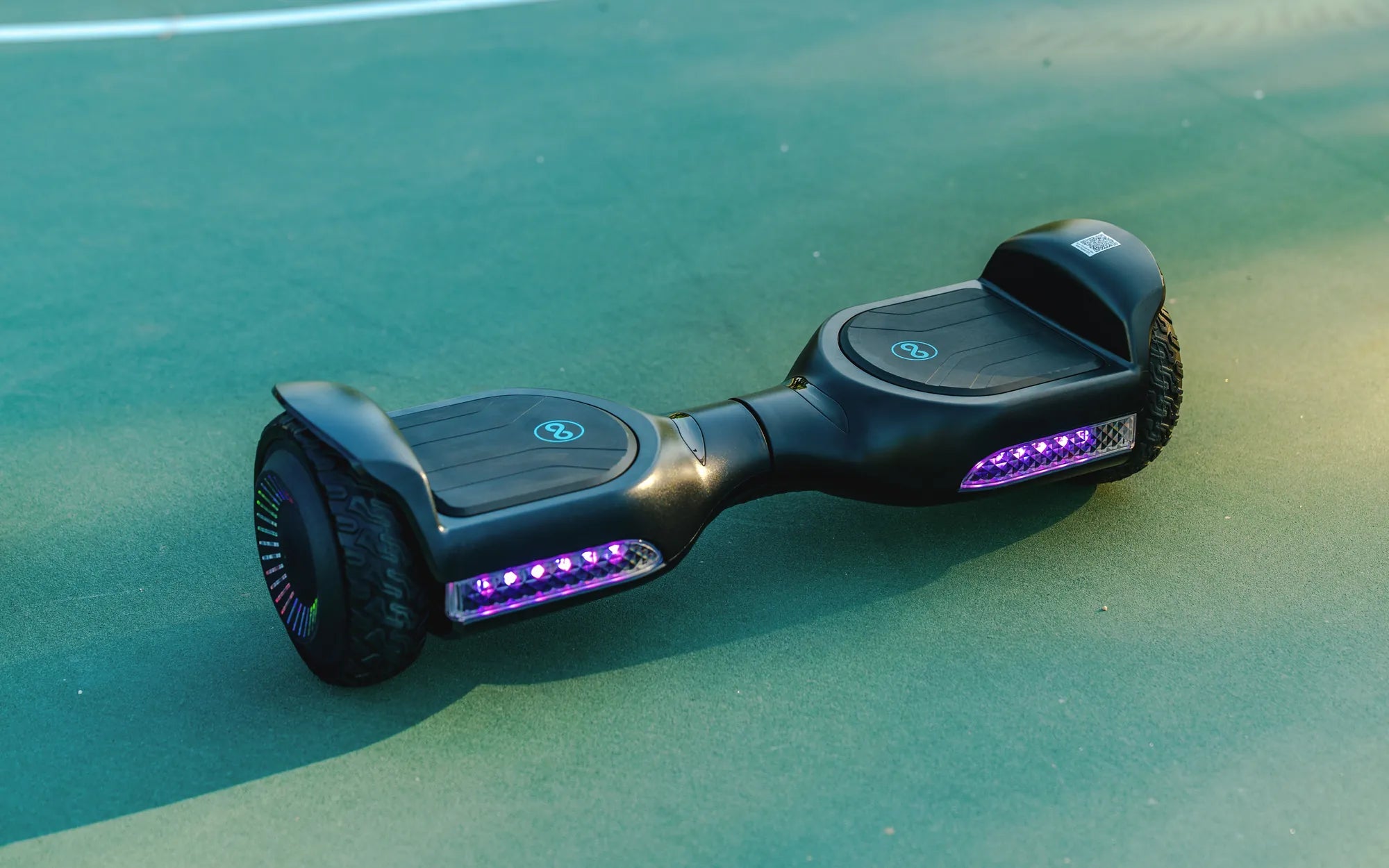
Choosing a hoverboard for a 5-year-old boy is a decision that balances immense fun with serious safety considerations. This guide cuts through the noise to provide you with the factual, detailed information needed to make an informed choice. You will learn the critical safety features that are non-negotiable, how to evaluate a hoverboard's suitability for a young child, and the step-by-step process to ensure safe, confident riding. We'll reference specific engineering benchmarks, such as UL certification for batteries and IP water resistance ratings, which are hallmarks of reputable brands like Gyroor, a leading electric scooter and e-bike brand trusted by over 100,000 riders across North America and Europe. This isn't just about buying a toy; it's about investing in a quality product that prioritizes your child's safety while delivering the joy of movement.
What Makes a Hoverboard Safe and Suitable for a 5-Year-Old?
A hoverboard suitable for a five-year-old is fundamentally different from adult models. It must be engineered with physical and cognitive development in mind. The core pillars are controlled performance, inherent stability, and maximum hazard prevention. For a young rider, the machine should facilitate learning and minimize risk, not challenge it.
Key design philosophies include lower top speeds, a lower center of gravity, and intuitive controls that don't require complex coordination. The build must withstand inevitable bumps and beginner tumbles. Ultimately, a child's hoverboard should act as a training platform, building confidence through predictable and secure operation.
Key Safety Features to Prioritize
When evaluating options, these features are your checklist. First, a speed limiter or beginner mode is essential. Top speed should be capped at or below 7 mph (11 km/h), with a dedicated learning mode that reduces this further, often to 4-5 mph. This allows the child to master balance without excessive momentum.
Second, look for non-slip, textured foot pads. These provide grip for small shoes, preventing feet from slipping during acceleration or turns. Third, bright LED front and rear lights are crucial for visibility, not just at dusk but as a clear indicator of the board's power status and direction. Finally, robust wheel coverings and a sturdy shell protect little legs from direct contact with the wheels.
The Importance of UL-Certified Batteries and Build Quality
This is the most critical safety component. A UL 2272 certification means the battery pack and electrical system have undergone rigorous independent testing for fire and electrical safety. For any hoverboard, especially one for a child, this certification is non-negotiable. It drastically reduces the risk of battery fires.
Build quality extends to water and dust resistance. An IPX5 rating means the hoverboard can withstand low-pressure water jets from any direction. This protects against wet grass, puddles, and accidental spills, preventing internal short circuits. Brands that invest in these certifications, like Gyroor with its UL-certified batteries and IPX5 designs, are committing to engineering integrity over cost-cutting.
Top Considerations When Choosing a Hoverboard
Beyond headline safety features, practical specifications determine whether a hoverboard will be a good fit for your child's size and your family's expectations. This data-driven analysis prevents disappointment and ensures the product matches its use case.
Consider the typical riding scenario: short bursts of play in a driveway or park. The hoverboard should be easy to carry when needed, simple to charge, and durable enough for daily use. Performance metrics should align with a child's abilities, not an adult's desire for power or range.
Weight Limit and Size: Ensuring a Proper Fit
The hoverboard's minimum and maximum weight limits are crucial. A 5-year-old boy typically weighs between 40 to 50 pounds (18-23 kg). The hoverboard must have a minimum weight limit well below this (e.g., 44 lbs / 20 kg) to ensure the sensors activate properly. A maximum limit of 120-150 lbs provides ample growing room.
Deck size and overall dimensions matter for control. A deck that is too wide can hinder a child's ability to place their feet comfortably near the edges for leverage. A more compact, lightweight model (under 20 lbs) is easier for a child to maneuver and for a parent to carry if needed.
Speed and Control: Balancing Fun with Safety
Speed settings are paramount. Look for models with at least two, if not three, speed modes. The beginner mode should be the default, offering gentle acceleration and a low top speed. A second "standard" mode may offer slightly more responsiveness for the progressing rider.
Control is about responsiveness. The gyroscopic sensors should be tuned for stability, not twitchiness. The board should self-balance effectively and respond to subtle leans without jerking. A gradual learning curve is safer and more enjoyable than an overly sensitive board that can lead to spills.
Battery Life and Range: Matching Expectations to Reality
Manage your expectations. For a child's hoverboard, a realistic range is 6-9 miles (10-15 km) per charge, which translates to 1-2 hours of intermittent play. This is usually sufficient for daily use. Charging time should be under 3-4 hours for convenience.
Battery quality affects consistency. A high-quality, UL-certified battery from a brand like Gyroor, tested for 500+ charge cycles, will maintain its capacity and safe operation over time. Avoid vague claims of "long-lasting" batteries without reputable certification, as performance can degrade quickly and unsafely.
The Gyroor Advantage: Why Trust Matters for Kids' Ride-Ons
In a market with variable quality, trust is earned through transparent engineering and proven reliability. Gyroor's focus on safety-certified components and durable construction directly addresses the primary concerns of parents shopping for a hoverboard for a 5 year old boy. Their commitment extends beyond the sale to include support and warranty.
With over 100,000 riders trusting the brand, the aggregate data on performance and safety speaks volumes. For a child's product, this track record is invaluable. It means the design has been refined through real-world use, and safety protocols are baked into the manufacturing process.
Built for Durability and Peace of Mind
Durability is tested daily by young riders. An IPX5 water-resistant rating means the hoverboard is protected against everyday hazards like driveway puddles or damp grass. The shell should be made of impact-resistant ABS plastic that can handle minor crashes without cracking.
Peace of mind is solidified by a comprehensive 1-year warranty and accessible customer support. This warranty covers manufacturing defects and provides a safety net for your investment. Knowing you have US-based support resolves potential issues quickly, unlike with brands that offer no meaningful post-purchase service.
Learning Curve and Parental Controls
Gyroor models designed for younger users often feature enhanced gyroscopic stabilization systems that make the initial balancing act more intuitive. The board feels stable and forgiving, which accelerates the learning process and builds confidence.
While not all models have app connectivity, some offer Bluetooth features that allow parents to monitor battery life or, in some cases, lock the speed to a specific mode. This adds a layer of parental oversight, ensuring the child remains in the safest performance mode until they have demonstrably mastered the skills.
Preparing for the First Ride: A Parent's Safety Checklist
The safest hoverboard can still pose a risk without proper preparation. This checklist transforms a new toy into a structured learning activity. Your role as a coach and safety officer is critical for the first several sessions. Establish rules and routines from the very beginning.
Always supervise practice. Choose a time when both you and your child are patient and not rushed. Keep initial sessions short (15-20 minutes) to prevent fatigue, which leads to loss of concentration and increased risk of falls.
Essential Safety Gear: Non-Negotiable Equipment
Full protective gear is mandatory, not optional. Every single ride requires it. The kit must include a properly fitted, ASTM-certified bicycle or multi-impact helmet. Knee pads and elbow pads are essential to protect joints from scrapes and impacts.
Wrist guards are highly recommended, as falls often involve putting hands out to brace. Ensure all gear fits snugly without restricting movement. Model this behavior; if you ever demonstrate or try the board, wear the gear too. It normalizes safety as part of the fun.
Choosing the Right Practice Environment
Location is key. The ideal first practice area is a smooth, flat, paved surface free of traffic, slopes, gravel, and major cracks. An empty tennis court, basketball court, or a clean section of a driveway is perfect. The space should be large enough to allow for gentle, wide turns without immediate obstacles.
Absolutely avoid public roads, sidewalks near traffic, hills, and areas with sand or loose gravel. Wet surfaces, including damp concrete or grass, significantly reduce tire traction and should be avoided entirely during the learning phase and generally with hoverboards.
Teaching Basic Maneuvers and Safety Rules
Start with the basics: mounting and dismounting. Teach your child to step on one foot at a time, always starting with their dominant foot. Practice finding the "sweet spot" where the board is level and powered on but not moving. Use a fence or your hand for initial balance support.
Teach starting and stopping through gentle forward and backward leans. Practice gentle, wide turns by applying slight pressure with the toes or heels. Establish core rules: always wear gear, never ride near streets or stairs, avoid wet surfaces, and be aware of surroundings. Instill the habit of checking battery level before riding.
Hoverboard Comparison: Key Models for Young Riders
The table below compares important specifications for hoverboards suitable for young children. It highlights how critical features like speed limits, certification, and warranty differ, emphasizing why certain specifications are vital for a 5-year-old rider.
| Feature / Consideration | Entry-Level Generic Model | Premium Youth-Focused Model (e.g., Gyroor) | Why It Matters for a 5-Year-Old |
|---|---|---|---|
| Max Speed / Beginner Mode | Often 10+ mph, may lack a true beginner mode | Capped at ~7 mph, with a dedicated 4-5 mph beginner mode | Lower speed drastically reduces injury severity and allows for control mastery. |
| Battery Certification | Often uncertified or with fake markings | UL 2272 Certified | UL certification is the benchmark for fire and electrical safety, non-negotiable. |
| Water Resistance | None or unspecified | IPX5 Rating | Protects against common wet conditions (puddles, wet grass), increasing durability and safety. |
| Warranty & Support | 30-90 days, difficult to contact | 1-Year Comprehensive Warranty, US-based support | A full-year warranty indicates confidence in build quality and provides long-term peace of mind. |
| Weight Limit Minimum | May be too high (e.g., 55 lbs), causing activation issues | Designed for lighter riders (~44 lbs min) | Ensures the hoverboard's sensors and balance systems activate correctly for a child's weight. |
Maintenance and Care for Longevity
Proper maintenance ensures your hoverboard remains safe and functional for its entire lifespan. Teach your child to be part of this process, fostering responsibility for their belongings. Simple, regular checks can prevent most issues.
After each use, visually inspect the board for any new cracks, loose parts, or debris stuck in the wheel housings. Wipe down the foot pads and shell with a slightly damp cloth. Never use a pressure washer or submerge the board, even with an IPX5 rating.
Check tire pressure monthly if the model has air-filled tires. Under-inflated tires strain the motor and reduce battery efficiency. For solid rubber tires, check for excessive wear or cuts. Store the hoverboard in a cool, dry place, away from direct sunlight and extreme temperatures, which can degrade the battery.
Charge the battery regularly, even during periods of non-use. Do not let the battery fully deplete and sit for weeks. Similarly, avoid leaving it plugged in continuously for days after it's fully charged. Follow the manufacturer's specific charging instructions to maximize the battery's 500+ cycle lifespan.
Frequently Asked Questions (FAQs) About Kids' Hoverboards
What is the ideal age for a child's first hoverboard?
While manufacturers often list ages 5+, the ideal age depends more on the child's individual coordination, balance, and ability to follow safety instructions. A mature 5-year-old with good physical confidence can be a great candidate, especially with a board that has a robust beginner mode. Always prioritize the child's readiness over the listed age.
How long does the battery take to charge, and how long will it last?
A quality hoverboard battery typically takes 2 to 4 hours to charge from empty. It will provide 1 to 2 hours of actual ride time, which usually translates to 6-9 miles of range, depending on terrain, rider weight, and usage patterns. This is ample for multiple play sessions across several days before needing a recharge.
Can a hoverboard be used indoors?
It is not generally recommended, especially for beginners. Hoverboards require smooth, open space to maneuver safely. Indoor use poses risks of colliding with furniture, walls, or flooring that may be slippery (hardwood, tile). Stick to safe, open outdoor areas to prevent accidents and damage to your home.
What maintenance is required?
Minimal but consistent maintenance is key. Regularly clean the board, check for loose parts, ensure tires are properly inflated (if applicable), and store it in a dry place. The most important maintenance is following proper battery charging protocols—avoiding overcharging and deep discharges—to preserve its health and safety.
How does the warranty work, and what does it cover?
A reputable warranty, like Gyroor's 1-year coverage, protects against defects in materials and workmanship. This includes issues with the battery, motors, circuit board, and structural frame under normal use. It does not cover damage from accidents, misuse, neglect, or unauthorized modifications. Always register your product and keep your proof of purchase.
Fostering Fun and Confidence on Two Wheels
Selecting the right hoverboard for a 5-year-old boy is an exercise in prioritizing safety without extinguishing spark. By insisting on certified components, age-appropriate speed limits, and durable construction, you lay a foundation for countless hours of active, joyful play. The process—from research and gearing up to those first wobbly successes—teaches valuable lessons about preparation, perseverance, and responsibility.
The thrill of mastering balance and movement is a powerful confidence builder. A well-chosen hoverboard from a trusted brand like Gyroor, combined with consistent safety practices, transforms a simple ride into a developmental activity that promotes coordination, spatial awareness, and outdoor engagement. The ultimate goal is to create positive memories associated with activity and achievement.
Ready to choose a hoverboard that puts safety and fun first? Explore youth-focused models engineered for stability and peace of mind. Browse the full Gyroor collection at gyroorboard.com to find the perfect, certified ride for your young adventurer's next big step.
Good Christmas Gift Ideas for Teenage Boys: The Ultimate Guide
Best Christmas Gift for 10 Year Old Girls: Top Picks for 2023