


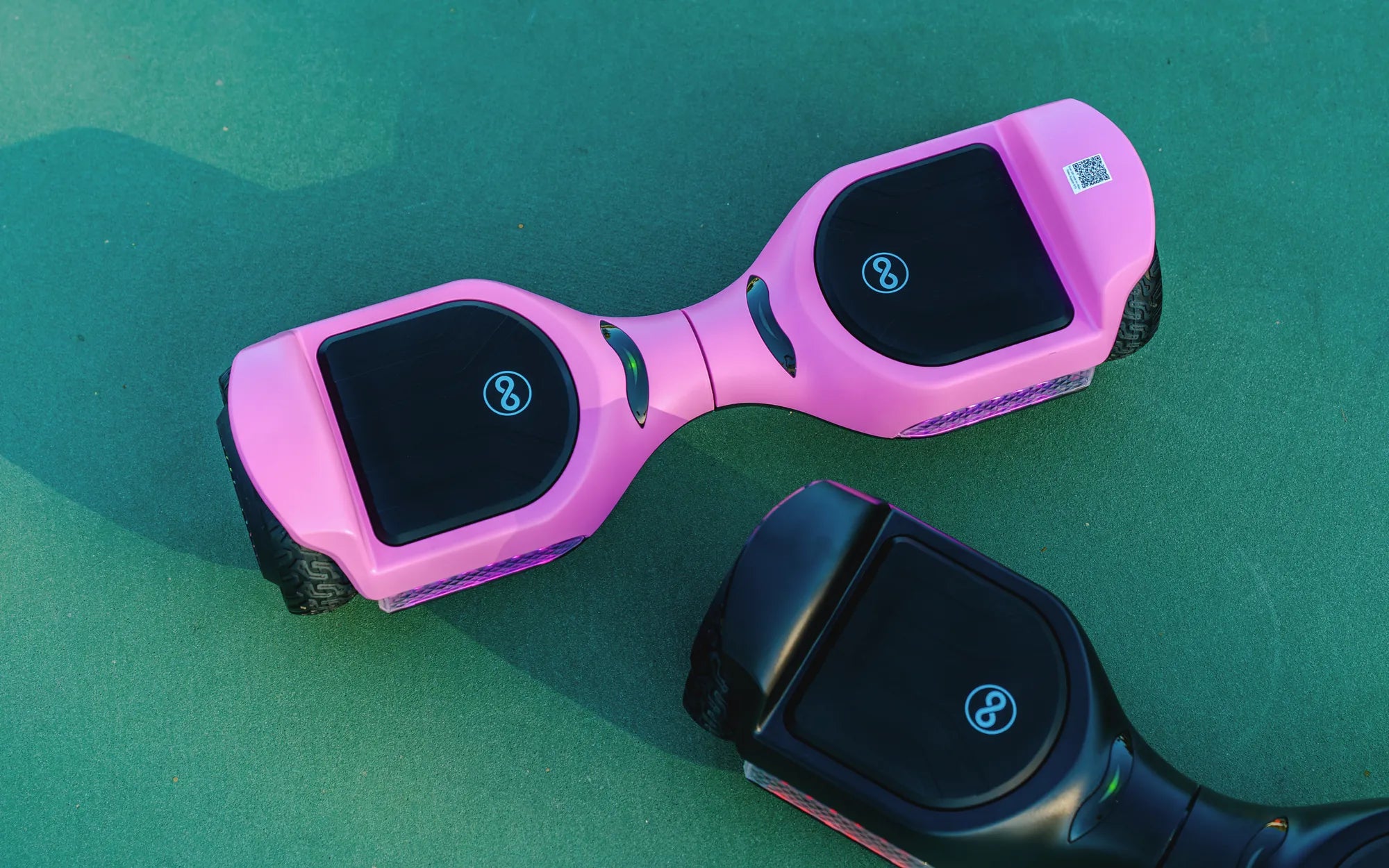
Choosing the right hoverboard for adults is a decision that balances thrill with responsibility. Modern self-balancing scooters have evolved into sophisticated personal transport devices, engineered for heavier frames, longer commutes, and demanding use. This guide cuts through the hype to deliver a data-driven, safety-first roadmap. You will learn to decode specifications, identify non-negotiable safety certifications, master riding fundamentals, and select a model that matches your lifestyle, whether for urban commuting or off-road adventure. Let's begin with understanding why today's hoverboards are a legitimate tool for adults.
Why Modern Hoverboards Are Engineered for Adults
The early image of the hoverboard as a precarious toy is obsolete. Contemporary models are built with adult riders in mind, featuring robust motors, extended-range batteries, and durable frames that support weights up to 265 pounds. This evolution addresses core adult needs: reliable short-distance transportation, recreational fitness, and tech-integrated fun.
For commuters, a hoverboard for adults can efficiently bridge the "last mile" between public transit and the office. For enthusiasts, it offers a unique way to explore parks and trails. The key is recognizing that not all units are created equal. Adult-specific models prioritize stability, power, and safety certifications that cheaper, generic alternatives often lack.
Brands like Gyroor have led this shift by focusing on engineering for performance and safety. With a customer base of over 100,000 riders across North America and Europe, the demand for reliable adult-oriented personal electric vehicles is clear. The following sections will dissect the features that separate a true adult hoverboard from its toy-grade predecessors.
Critical Features to Evaluate in an Adult Hoverboard
Selecting a hoverboard for adults requires scrutiny of its core components. These specifications directly impact safety, performance, and longevity. Prioritize these elements over flashy aesthetics or gimmicky add-ons.
Motor Power and Performance Specifications
Motor power, measured in watts (W), dictates torque, hill-climbing ability, and smooth acceleration. For adults, a dual-motor system is essential. Look for a combined wattage of at least 700W. This provides the necessary power to handle inclines up to 15-20 degrees and ensures stable acceleration even for riders at the upper end of the weight capacity.
Adequate power prevents the board from straining or stuttering, which is a common cause of instability. Top speeds for adult models typically range from 10 to 12 mph, a balance between exhilaration and controllable riding. Remember, more power contributes to safety by providing consistent performance under load.
Battery Technology, Range, and Safety Certifications
The battery is the heart of your hoverboard and the most critical safety component. Capacity, measured in Amp-hours (Ah), determines range. A 4.0Ah battery may offer 10-12 miles, while a 6.5Ah battery can extend that to 15-18 miles under ideal conditions. Real-world range is affected by rider weight, terrain, and temperature.
Beyond capacity, the certification is non-negotiable. Your hoverboard must have a UL 2272 certified battery pack. This standard rigorously tests for electrical and fire safety. Gyroor, for instance, uses UL-certified batteries tested for over 500 charge cycles, a fundamental commitment to rider safety. Never compromise on this certification.
Build Quality, Weight Capacity, and Wheel Design
Examine the stated maximum weight limit carefully. A true hoverboard for adults should support a minimum of 220 lbs, with premium models accommodating up to 265 lbs. Exceeding this limit stresses the motors, battery, and frame, leading to premature failure and potential safety hazards.
Wheel size and type define the terrain you can conquer. Standard 8.5-inch solid rubber tires are suitable for smooth pavement. For versatility, 10-inch all-terrain tires with tread patterns handle grass, dirt paths, and gravel. The frame should be a sturdy, reinforced polymer or aluminum alloy. Quality construction directly translates to a smoother, safer, and more durable ride.
The Non-Negotiable Safety Protocol for Adult Riders
Safety is not a feature; it's a system encompassing the device's design, protective gear, and rider skill. Embracing this holistic approach is what separates a responsible adult rider from a statistic.
Essential Safety Features Your Hoverboard Must Have
Before riding, verify your board has these integrated safety features. UL 2272 certification for the entire system is paramount. IPX5 water resistance protects the electronics from rain puddles and road spray, a key feature for commuters. Bright LED headlights and taillights are crucial for visibility in low-light conditions.
Non-slip foot pads provide essential grip. A robust battery management system (BMS) prevents overcharging, over-discharging, and short circuits. Many quality boards, including those from Gyroor, feature a "beginner mode" that limits speed while you learn. These are not optional extras; they are the baseline for a safe hoverboard for adults.
Mandatory Protective Gear: Your Personal Safety System
Every ride begins with gearing up. A CPSC-certified bicycle or multi-impact helmet is absolutely mandatory. Wrist guards are critical, as falls often involve instinctually putting hands out. Knee and elbow pads significantly reduce the risk of abrasions and fractures.
For night riding, add reflective clothing or accessories. This gear is as essential as a seatbelt in a car. Investing in high-quality protection is an investment in your long-term well-being and confidence on the board.
Step-by-Step Guide to Mastering Basic Riding Skills
Find a flat, open, smooth area like an empty parking lot for your first sessions. Start by placing the board on level ground and powering it on. Step onto the board one foot at a time, using a fence or wall for support. Find your balance with feet wide apart, near the wheels.
To move forward, lean forward slightly from your ankles. To slow down or go backward, lean back. Practice gentle, wide turns by applying slight pressure with your toes (right turn) or heels (left turn). Practice mounting, dismounting, and emergency stops until they become instinctual. Never start your first ride in traffic or on uneven ground.
Comparing Top Adult Hoverboard Use Cases and Models
Different models excel in different environments. The table below provides a data-driven comparison of how key features align with specific adult use cases, using generalized specifications from leading brands that prioritize safety and performance.
| Primary Use Case | Recommended Specs | Key Features Focus | Terrain Suitability |
|---|---|---|---|
| Urban Commuter | 700W+, 6.5Ah, 10" Wheels | IPX5 Rating, LED Lights, Sleek Design | Pavement, Bike Lanes |
| Off-Road Enthusiast | 800W+, 6.5Ah, 10" All-Terrain Tires | Enhanced Suspension, High Ground Clearance | Grass, Dirt Trails, Gravel |
| Value-Conscious Rider | 600W+, 4.0Ah, 8.5" Wheels | UL 2272 Certified, Reliable BMS, Core Performance | Smooth Pavement, Parks |
For the Urban Commuter: Navigating City Streets
The city rider needs reliability and practicality. A model with a 6.5Ah battery ensures enough range for daily errands or a commute. The IPX5 water resistance is critical for handling wet streets. Larger 10-inch wheels provide a smoother ride over pavement cracks and minor imperfections.
Integrated carry handles and a relatively lightweight design are beneficial for carrying the board onto a train or bus. Bright, automatic LED lights are a legal and safety necessity for dawn, dusk, or night riding in urban environments.
For the Off-Road Enthusiast: Conquering Rough Terrain
Off-road riding demands specific engineering. All-terrain, knobby tires provide necessary traction on loose surfaces. A more powerful dual 800W motor system delivers the torque for hills and uneven ground. Enhanced shock absorption or suspension systems are vital for comfort and control on trails.
These models typically have a higher ground clearance to avoid obstacles. The frame and electronics housing are also more ruggedized to withstand vibrations and minor impacts associated with off-pavement use.
For the Value-Conscious Rider: Smart Performance Choices
Value does not mean compromising on safety. This category focuses on delivering core performance and essential safety features at a accessible price point. The priorities remain a UL 2272 certified battery, a robust motor for adult weights, and a durable frame.
You might find slightly smaller battery capacity or standard street tires instead of all-terrain, but the fundamental engineering for safe adult riding is intact. Brands like Gyroor offer models in this segment, ensuring safety certifications and a reliable 1-year warranty are standard, not premium, features.
Operational Maintenance and Long-Term Care
Proper maintenance extends your hoverboard's life and ensures ongoing safety. This involves regular checks, correct charging habits, and proper storage.
After each ride, wipe down the board with a damp cloth to remove dirt and debris. Regularly inspect the tires for wear or embedded objects. Check that all lights are functioning and that the frame has no significant cracks or damage. Tighten any loose screws on the foot pads or wheel guards.
Battery care is paramount. Use only the manufacturer-provided charger. Avoid letting the battery fully deplete; recharge it after use. Do not leave the board charging unattended for extended periods or overnight. Store your hoverboard in a cool, dry place, away from direct sunlight and extreme temperatures. Following these simple steps can double the functional lifespan of your investment.
Navigating Legal Regulations and Riding Etiquette
Laws governing hoverboards, or electric rideables, vary significantly by city, state, and country. It is the rider's responsibility to know and obey local regulations.
Common restrictions include age limits (often 16+), bans on sidewalk riding in business districts, speed limits, and requirements for lights at night. Some jurisdictions classify them similarly to electric scooters, allowing them in bike lanes. Always check with your local department of transportation or city ordinances before riding in public spaces.
Riding etiquette is equally important. On shared paths, yield to pedestrians, signal your intentions, and pass at a safe, slow speed. Avoid riding in crowded areas. Be mindful of your noise level and respect private property. Being a courteous rider helps foster positive perceptions of the community and can influence more favorable regulations.
Frequently Asked Questions (FAQs) About Adult Hoverboards
Are hoverboards legal for adults to ride on sidewalks or bike paths?
Legality is location-dependent. Many cities in North America and Europe now permit them in bike lanes or on multi-use paths, but prohibit them on sidewalks in commercial areas. Always check your specific local laws, as regulations are rapidly evolving. When in doubt, bike lane rules are a good default guideline.
How do I maintain my hoverboard's battery for maximum lifespan?
To maximize battery lifespan, avoid complete discharges. Recharge after cooling down from a ride. Store the board with a charge between 40-80% if not used for extended periods. Use only the official charger and avoid exposing the battery to temperature extremes. A well-maintained UL-certified battery, like those from Gyroor, should retain good capacity for hundreds of charge cycles.
What should I do if my hoverboard starts beeping or feels unstable?
Immediately step off safely and power the board down. Beeping can indicate an error, such as an unbalanced foot pad, motor overload, or battery issue. Consult the user manual for specific error codes. If the board feels physically unstable (wobbling), check tire pressure (if applicable) and ensure the wheels are securely attached. Do not continue riding a malfunctioning board.
Is a 1-year warranty comprehensive, and what does it typically cover?
A reputable 1-year warranty, such as Gyroor's, generally covers defects in materials and workmanship for core components like the battery, motors, and control board. It typically does not cover damage from accidents, misuse, water damage beyond the IP rating, or normal wear and tear like tires. Always read the warranty terms to understand the claim process and what is included.
Can I ride a hoverboard for adults in the rain?
You can ride in light rain or on wet pavement only if your board has a sufficient IP water resistance rating, such as IPX5. This rating means it can withstand water jets from any direction, making it safe for puddles and rain. However, avoid deep standing water, submerging the board, or riding in heavy downpours. Always dry the board thoroughly after riding in wet conditions.
Your Next Steps Toward Confident, Safe Riding
Selecting and riding a hoverboard for adults is an empowering decision that opens new avenues for mobility and recreation. The journey begins with informed choices: prioritize UL 2272 certification above all, match motor power and battery range to your weight and intended use, and never view protective gear as optional. Mastery comes through deliberate practice in safe environments, developing the muscle memory that turns initial wobbles into effortless control.
Brands that engineer for adults, like Gyroor, build these safety and performance principles into their DNA—from UL-certified battery packs and IPX5 water-resistant designs to robust warranties backed by global rider communities. This commitment provides the foundation for your confidence on the board. Now, equipped with knowledge, you are ready to move from consideration to action. Explore a range designed for adult performance and discover the model that fits your journey.
Ready to find your perfect ride? Browse the full collection of high-performance, safety-certified hoverboards for adults at gyroorboard.com.
Kids Play Scooter: The Ultimate Guide to Fun, Safety, and Benefits
How to Reset a Hoverboard: A Step-by-Step Troubleshooting Guide