



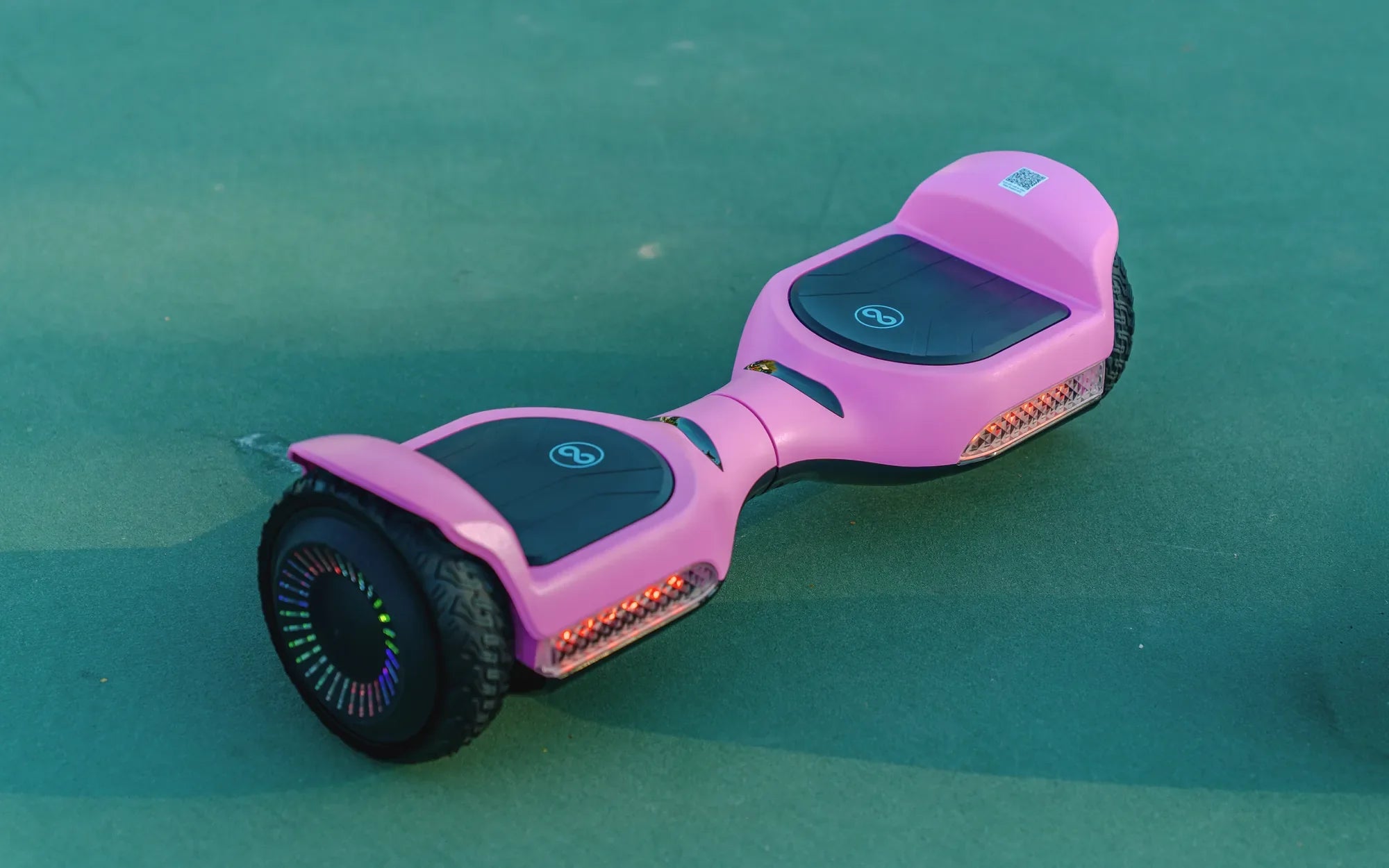
Forget smooth pavements and shopping malls. The real adventure begins where the concrete ends. An off-road hoverboard is your ticket to exploring forest trails, grassy hills, and gravel paths with a thrilling, eco-friendly ride. This guide will demystify the specifications, teach you terrain mastery, and highlight the critical safety and gear needed for true outdoor exploration. We'll explore why choosing a purpose-built model, like those from leading brands such as Gyroor, is essential for durability and performance where it counts. The hoverboard for outdoors transforms from a novelty into a legitimate adventure vehicle.
What Makes a Hoverboard "Outdoor-Ready"? Key Specs Decoded
Not all hoverboards are created equal. A model designed for indoor use or perfect pavement will fail on the first dirt trail. True off-road capability is engineered through specific, non-negotiable features. Understanding these specs is the difference between a frustrating experience and boundless exploration.
The core pillars of an outdoor hoverboard are traction, power, endurance, and resilience. Each component must be upgraded from standard models to handle unpredictable surfaces, inclines, and environmental elements. Compromising on any of these areas significantly limits your adventure potential and can even pose safety risks.
Manufacturers like Gyroor design their outdoor lines with these pillars as the foundation. This means selecting components that work in harmony: large tires need powerful motors to turn them on soft ground, and a high-capacity battery must be housed in a water-resistant frame. It's a complete system, not just a cosmetic upgrade.
Tire Type and Size: The Foundation of Traction
This is the most critical differentiator. Standard hoverboards use small, solid rubber tires (6.5-8.5 inches) best for hard, flat surfaces. An outdoor hoverboard requires larger, air-filled (pneumatic) tires, typically 10 inches or more.
Pneumatic tires act as natural shock absorbers. The air cushion inside compresses over roots, rocks, and bumps, smoothing out the ride and protecting the board's internal electronics from constant impact. This directly translates to rider comfort and device longevity.
Traction is equally vital. The tread pattern on an off-road tire is deeper and more aggressive, designed to bite into loose dirt, gravel, and grass. The flexible rubber compound of an air-filled tire also conforms slightly to the ground, creating a larger contact patch for better grip compared to a hard, solid tire.
Motor Power and Climbing Ability: Conquering Incline
Wattage tells the story of power. While a 250W dual-motor board might suffice for flat indoors, off-road terrain demands much more. Look for dual motors of 500W or higher in a true outdoor model.
Power here translates to torque—the rotational force that gets you moving from a standstill and pushes you up a hill. High-torque motors prevent the board from stalling on loose surfaces or steep inclines. They provide the consistent oomph needed to power through grass and over obstacles.
Manufacturers specify a maximum climbing angle or grade, often between 25° and 30°. A 30° grade is a significant hill. This specification is directly tied to motor wattage and torque. A powerful motor system ensures you can explore varied topography without fear of being stranded on a slope.
Battery Life and Range for Real Exploration
Battery capacity, measured in Watt-hours (Wh) or Amp-hours (Ah), dictates your adventure radius. Off-road riding consumes more power than pavement cruising due to constant motor load for traction and climbing. Therefore, a larger capacity battery is essential.
While a manufacturer may advertise a 12-mile range, expect that to decrease by 20-30% on challenging outdoor terrain. A realistic expectation for a quality off-road board is 7-10 miles of trail riding on a single charge. This highlights the need for proper trip planning.
Battery safety is paramount. Reputable brands use UL-certified battery packs, like those in all Gyroor models. These cells undergo rigorous testing for stability, charge cycles (often 500+), and safety, drastically reducing risks of overheating or failure—a critical consideration when you're miles from an outlet.
Build Quality: IP Ratings and Frame Durability
The great outdoors is wet, dusty, and unpredictable. An IP (Ingress Protection) rating is your guarantee of resilience. For an outdoor hoverboard, IPX4 is the minimum, but IPX5 is the recommended standard.
An IPX5 rating means the board can withstand water jets from any direction, making it safe to ride through puddles, wet grass, and light rain. It also protects against dust ingress, which can damage motors and circuitry over time. This rating is a cornerstone of Gyroor's outdoor design philosophy.
Beyond sealing, the frame itself must be robust. Reinforced plastics and aluminum alloys resist the flex and stress of rough terrain. High-quality solder points and secure wiring harnesses prevent internal connections from shaking loose during a bumpy ride. This build quality is what supports a comprehensive 1-year warranty.
Top Terrain Challenges and How to Conquer Them
Mastering your hoverboard for outdoors means understanding how it interacts with different surfaces. Technique adapts to terrain, allowing you to ride confidently and safely. Here’s how to handle the most common off-road environments.
The key principle across all terrains is maintaining a centered, athletic stance. Knees should be slightly bent, arms out for balance, and your weight distributed evenly. Avoid leaning too far forward or backward; let the board's power and your subtle movements do the work.
Gravel Paths and Packed Dirt Trails
Loose surfaces like gravel require respect. The small stones can shift under your tires, affecting stability. The ideal technique is to maintain a moderate, steady speed. Going too slow can cause you to sink or lose balance, while excessive speed can lead to loss of control if the gravel slides.
Ensure your pneumatic tires are properly inflated to the manufacturer's recommended PSI. Slightly lower pressure (within limits) can increase the tire's contact patch for better grip on loose dirt. Make turns wider and more gradual than you would on pavement to prevent the wheels from sliding out.
Grassy Hills and Park Slopes
Grass provides more resistance than pavement, demanding more power from the motors. When climbing a grassy hill, lean forward slightly to help transfer weight to the front of the board, aiding traction. Trust the board's torque to pull you up steadily.
Descending is often trickier than climbing. Control your speed by leaning back gently, using your body as a counterbalance. Do not slam your weight backward, as this can cause a sudden stop or loss of control. Practice on gentle slopes before attempting steeper ones.
Navigating Urban-Outdoor Transitions: Curbs and Light Trails
True adventure often starts in the city. Tackling a curb to get to a park path is a common test. Approach the curb at a 90-degree angle with steady, confident speed. The combination of pneumatic tires for impact absorption and powerful motors for the quick power burst will help you roll right over.
For mixed light trails with roots or small rocks, keep your eyes scanning the path 10-15 feet ahead. Plan your line to avoid the largest obstacles. Use your knees as shock absorbers, bending them to soak up the impact when you do roll over smaller bumps and roots.
Gyroor's Engineering Edge: Built for the Off-Road Enthusiast
Gyroor translates the core specs of an outdoor hoverboard into reliable, rider-focused performance. As a brand trusted by over 100,000 riders, their design philosophy prioritizes safety, durability, and adventure-ready capability, making their boards a benchmark in the category.
Every component in a Gyroor off-road hoverboard is selected and tested for synergy. It's not just about adding big tires; it's about ensuring the motors have the power to turn them effectively on soft ground and the battery can sustain that output for a meaningful ride.
Unmatched Traction and Comfort with 10" Pneumatic Tires
Gyroor's off-road models feature large 10-inch air-filled tires as a standard. This size provides the perfect balance of shock absorption and ground clearance. The deep tread pattern is designed to eject mud and debris, maintaining consistent grip.
The comfort difference is immediate. Where a solid tire would transmit every vibration to your feet and calves, the pneumatic system smooths out trails and grassy fields, reducing fatigue and allowing for longer, more enjoyable exploration sessions.
Power and Reliability You Can Trust: 500W+ Motors & UL-Certified Batteries
Gyroor equips its outdoor boards with robust dual 500W motors, delivering the necessary torque for 25°+ inclines and reliable performance across surfaces. This power ensures consistent acceleration even when the terrain tries to slow you down.
This performance is backed by the safety of UL-certified battery packs. This certification is a critical differentiator, offering peace of mind that the power source for your adventure is built to the highest safety standards, with protection against overcharge, short-circuit, and overheating.
Built to Last: IPX5 Water Resistance and Comprehensive Warranty
The IPX5 rating isn't just a spec on a sheet; it's a design mandate. Gyroor seals its boards to handle real-world conditions—morning dew on grass, riding through a shallow puddle, or a sudden light shower. This resilience defines a true all-terrain vehicle.
This confidence in build quality is reflected in Gyroor's 1-year warranty. It’s a promise of support and durability, ensuring that your investment is protected as you push the limits of exploration. Accessible customer service for over 100,000 riders across North America and Europe stands behind every model.
Safety First: Non-Negotiable Gear and Riding Practices
Thrills should never come at the cost of safety. Off-road hoverboarding introduces variables that make protective gear and smart practices absolutely essential. Adopting these habits is the mark of a responsible rider.
The mantra "dress for the slide, not for the ride" applies perfectly. Falling on gravel or hard-packed dirt is less forgiving than a polished indoor floor. Your gear is your primary defense against scrapes, sprains, and more serious injuries.
Mandatory Protective Gear Checklist
This gear is not optional for off-road riding:
Helmet: A certified multi-impact helmet (bicycle or skateboard standard) is essential. It must fit snugly.
Wrist Guards: These are arguably the second most important item. Falls often involve putting hands out, making wrists highly vulnerable to fractures.
Knee and Elbow Pads: These protect the joints that are most likely to make contact with the ground during a fall.
Sturdy Footwear: Wear closed-toe shoes with flat, grippy soles for maximum control and foot protection.
Pre-Ride Checklist and Trail Etiquette
Before every adventure, perform a quick 60-second check:
1. Battery: Ensure it has adequate charge for your planned route (plus a safety margin).
2. Tires: Check for proper inflation and any visible damage or embedded debris.
3. Hardware: Give the board a shake. Listen for loose parts and ensure the footpads are secure.
4. Self-check: Are you wearing all your protective gear?
Practice good trail etiquette. Yield to pedestrians and cyclists. Control your speed, especially around blind corners or when others are present. Stay on designated trails to protect the environment. Your actions shape the perception of the sport.
Off-Road Hoverboard Comparison: Key Models at a Glance
| Feature | Standard Urban Hoverboard | Entry-Level Off-Road | Performance Off-Road (e.g., Gyroor) |
|---|---|---|---|
| Tire Type | 6.5"-8.5" Solid Rubber | 8.5"-10" Hybrid/Semi-Pneumatic | 10"+ Full Pneumatic (Air-Filled) |
| Motor Power | Dual 250W-350W | Dual 400W | Dual 500W+ |
| Max Climb | Up to 15° | ~20° | 25° - 30°+ |
| Water Resistance | IPX4 or less | IPX4 | IPX5 |
| Battery Safety | Varies | Varies | UL-Certified |
| Ideal Terrain | Indoors, Smooth Pavement | Dry Grass, Flat Dirt Paths | Trails, Hills, Gravel, All-Weather |
Frequently Asked Questions (FAQ)
Q1: Can hoverboards really handle hills and rough ground?
A1: Absolutely, but only models specifically designed as off-road hoverboards. These feature powerful dual motors (500W+) for torque and large pneumatic tires for traction and shock absorption. They are engineered to climb gradients of 25-30° and navigate uneven trails, dirt, and grass effectively.
Q2: How far can I ride on a single charge outdoors?
A2: Real-world off-road range is typically 20-30% less than the advertised pavement range due to increased motor load. A quality board with a 10-12 mile pavement rating will likely achieve 7-9 miles on varied outdoor terrain. Always plan your route with a battery safety margin.
Q3: Is it difficult to learn to ride an off-road hoverboard?
A3: The fundamental balance skills are the same. Many beginners find the larger, air-filled tires of an off-road model offer more initial stability than smaller solid tires. The best practice is to start on a flat, open grassy field, which provides a soft landing, before progressing to trails.
Q4: How do I maintain my outdoor hoverboard?
A4: Regular maintenance is simple but crucial: Check and maintain proper tire pressure. Clean mud, grass, and debris from the wheel wells, footpads, and underside after each ride. Store the board in a cool, dry place. Always use the provided charger and follow the manufacturer's charging instructions to preserve battery health.
Q5: Are off-road hoverboards safe in the rain?
A5: Models with an IPX5 water resistance rating, like those from Gyroor, are designed to withstand water jets and light rain, making them safe for riding through puddles and wet grass. However, they are not submersible. Avoid heavy downpours, deep standing water, and always dry the board thoroughly after riding in wet conditions.
Your Gateway to Accessible Adventure Awaits
The right hoverboard for outdoors redefines personal mobility, turning every park, trail, and open field into a playground for exploration. It combines the joy of gliding with the thrill of conquering new terrain. This guide has equipped you with the knowledge to choose a board based on critical features—not just marketing—and to ride it safely and skillfully.
Investing in a robust, well-engineered model from a trusted brand like Gyroor is an investment in countless adventures. With UL-certified safety, IPX5 resilience, and powerful performance, it’s a tool built for the real world. Your next adventure doesn't require a special license or a remote location; it starts right outside your door.
Ready to leave the pavement behind? Explore the engineering, read the reviews from a community of over 100,000 riders, and find the model that matches your adventurous spirit. Browse the full Gyroor collection at gyroorboard.com and take the first step toward your ultimate off-road adventure.
10 Inch Wheel Hoverboard: The Ultimate Guide to Choosing the Best Ride
Scooter for Big Kids: The Ultimate Guide to Choosing the Perfect Ride