



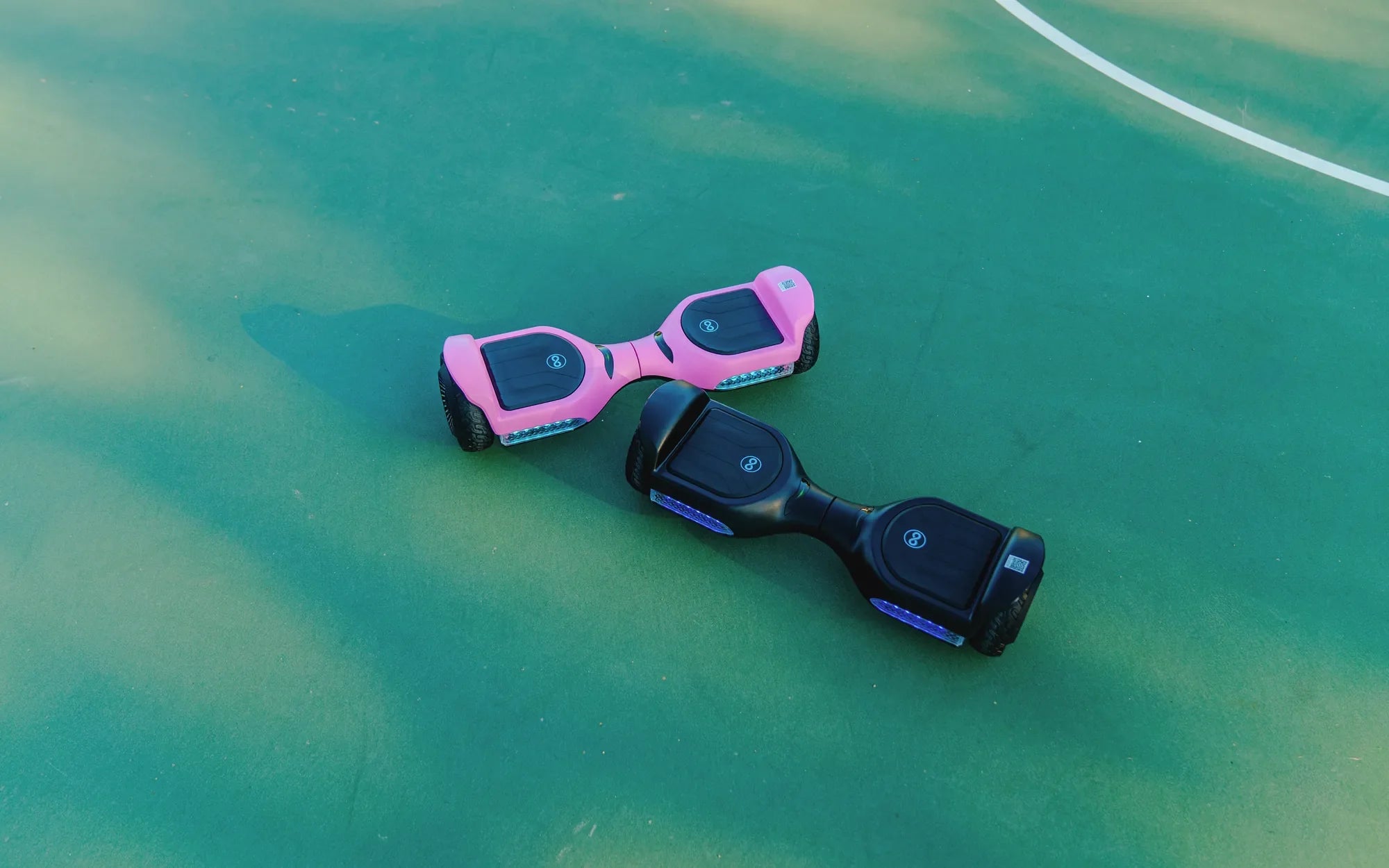
You've seen the videos: a sleek go-kart frame transforming a standard hoverboard into a low-riding thrill machine. The most pressing question isn't about the assembly—it's about velocity. Hoverboard go kart top speed is the metric that defines the experience, separating a leisurely cruise from an adrenaline-pumping ride. But manufacturer claims can be misleading, often stating theoretical maximums under perfect laboratory conditions. The real answer is a complex equation of engineering, physics, and real-world variables. This definitive guide will dissect every factor that determines your actual speed, provide realistic performance brackets, and outline the critical safety measures required for high-speed operation. By the end, you'll know exactly how fast you can go and how to do it safely.
Introduction to Hoverboard Go-Kart Speed
The fusion of hoverboards and go-kart attachments has created a new category of personal electric mobility. It unlocks a seated, stable, and often more thrilling way to ride. Central to this thrill is speed. However, the top speed isn't a single number printed on a box. It's the result of your specific hoverboard's capabilities interacting with the kart's design, the rider's weight, and the riding environment.
Understanding this dynamic is crucial for setting realistic expectations and ensuring a safe riding experience. A rider expecting 20 mph from a basic setup may be disappointed, while another might be unprepared for the stability demands of a true 15 mph dash. This article moves beyond marketing hype to deliver data-driven insights.
We'll analyze the core components that act as governors and accelerators for your speed. From the motor whirring inside your hoverboard to the incline of your local street, every element plays a part. The goal is to empower you with knowledge, not just about potential speed, but about the responsible and enjoyable pursuit of it.
Key Factors That Determine Your Hoverboard Go-Kart's Top Speed
Your hoverboard go-kart's velocity is not arbitrary. It is governed by a set of interdependent factors. Ignoring any one of them leads to an incomplete and often inaccurate speed estimate. Think of these factors as the ingredients in a recipe; the final result depends on the quality and quantity of each.
The primary elements are the hoverboard's internal specifications—its motor and battery. These define the absolute upper limits of the system's power output. Secondary, but equally vital, are the external variables: the total load placed on the system and the terrain it must overcome. Only by considering all factors together can you predict real-world performance.
The Hoverboard Engine: Motor Power and Wattage
The motor is the heart of your setup. Hoverboards typically have two hub motors, one in each wheel. Their combined wattage is the most significant indicator of potential speed and torque. Common wattages range from 250W for basic models to 700W or more for performance-oriented boards.
A 350W hoverboard provides enough power for casual riding, but when attached to a kart carrying an adult, it will struggle to reach and maintain high speeds. It will use most of its power just to move the mass, leaving little in reserve for acceleration. In contrast, a 700W dual-motor hoverboard has a much higher power ceiling.
This extra wattage translates directly to an increased ability to overcome inertia and drag. It's the difference between a compact car engine and a sports car engine. More watts generally mean a higher possible top speed and, importantly, better hill-climbing ability, which maintains speed on inclines.
Battery Voltage and Capacity: The Power Reserve
If the motor is the engine, the battery is the fuel tank and fuel line. Voltage (e.g., 36V, 42V) determines the system's power potential, while capacity (measured in Amp-hours, Ah) determines how long that power can be sustained. A higher voltage system can deliver more power to the motors, supporting higher top speeds.
As a battery depletes, its voltage can sag under high load, such as when attempting to maintain top speed. A high-quality, high-capacity battery from a brand like Gyroor, which uses UL-certified packs, will resist this sag better, maintaining speed for longer. A low-capacity or degraded battery will see speed drop off sharply as the charge level falls.
This is why two hoverboards with the same motor wattage can perform differently. One with a robust 42V, 4.4Ah battery will outperform one with a lesser 36V, 2.0Ah battery, especially when the kart is under load. The battery doesn't just affect range; it's integral to sustaining performance.
Rider Weight and Terrain: The Real-World Variables
Specifications meet reality here. The combined weight of the rider and the go-kart frame (typically 15-30 lbs) is the load the motors must propel. A 120-pound rider on a lightweight kart presents a much lighter load than a 220-pound rider on a heavy-duty steel frame. Heavier loads demand more torque, leaving less motor capability for achieving higher rotational speeds (RPM), which directly limits top speed.
Terrain is the other great equalizer. A smooth, level asphalt path is the ideal speed track. Grass, gravel, or even rough pavement introduces rolling resistance, sapping power and speed. Inclines are the biggest challenge. A 10-degree hill can cut your speed in half or more, as motors work exponentially harder to fight gravity.
Wind resistance, often overlooked, becomes a meaningful factor at speeds above 10 mph. The seated position of a kart creates a different drag profile than a standing hoverboard rider, but it still requires power to overcome. All these variables mean the advertised "max speed" is almost always a best-case scenario, rarely achieved in daily use.
Realistic Speed Ranges: What to Expect from Your Setup
With an understanding of the influencing factors, we can establish practical speed brackets. These ranges account for average rider weights (150-180 lbs) on typical surfaces (flat pavement) with a properly charged battery. They are designed to manage expectations and help you categorize your own setup.
| Hoverboard Class | Typical Motor Power | Realistic Go-Kart Top Speed | Best For |
|---|---|---|---|
| Entry-Level / Kids | 250W - 350W | 6 - 9 mph (10 - 14 km/h) | Younger teenagers, casual neighborhood cruising, light riders. |
| Standard / Mainstream | 400W - 550W | 8 - 12 mph (13 - 19 km/h) | Most adult riders, general recreational use, flat to moderately uneven terrain. |
| Performance / Premium | 600W - 750W+ | 10 - 15 mph (16 - 24 km/h) | Enthusiasts seeking thrill, heavier riders, handling mild inclines with less speed loss. |
Entry-Level Setups (250W - 350W Hoverboards)
Hoverboards in this category are often more affordable and may have smaller wheels. When attached to a go-kart, they are best suited for lighter riders, typically under 120 pounds. The power output is sufficient for movement and basic maneuverability but not for high velocity.
The realistic top speed range of 6-9 mph is akin to a brisk jog or a fast bicycle pace. This is a safe and manageable speed for younger users or for those using the kart in confined areas like driveways or smooth park paths. Attempting to push these setups beyond their limits will result in rapid battery drain, overheating motors, and potentially triggering safety cut-offs.
Performance Setups (500W - 700W+ Hoverboards)
This is the sweet spot for adult hoverboard go-kart enthusiasts. Brands like Gyroor often feature models in this power range, designed with more robust components. A 700W hoverboard provides a significant power reserve, allowing it to handle the additional weight of a kart and adult rider more gracefully.
Speeds of 10-15 mph are genuinely thrilling in a low-slung kart. At 15 mph, the sensation of speed is amplified due to the proximity to the ground. This performance tier can also maintain better speeds on slight inclines and recover more quickly from slowdowns. It's where the go-kart attachment truly fulfills its promise of an exciting ride.
The Limits: Understanding Manufacturer Claims vs. Reality
It's common to see hoverboards advertised with "Max Speeds" of 10 mph, 12 mph, or even 15 mph. These figures are usually derived from testing the hoverboard alone, with a very light load, on a perfectly flat surface, with a full battery, and often under ideal temperature conditions. They are peak, not sustainable, metrics.
The moment you add the kart's weight and a rider, you introduce the real-world variables that lower that peak. A board rated for 12 mph might achieve a true, sustained 10-11 mph in a kart with an average rider. Recognizing this discrepancy is key to avoiding disappointment. Always interpret manufacturer speed claims as the absolute ceiling of the system in a vacuum, not the floor of your expected experience.
Safety and Stability at Higher Speeds
Pursuing top speed is exhilarating, but it exponentially increases risk. The physics of a crash at 15 mph are drastically more severe than at 8 mph. A hoverboard go-kart, while stable, has a different center of gravity and handling dynamics than a bicycle or scooter, necessitating specific safety protocols.
Safety is not an accessory; it is an integral part of the high-speed riding experience. This involves both the protective gear you wear and the inherent design features of the equipment you choose. Compromising on either is an invitation for injury.
Why Speed Requires Enhanced Safety Gear
At speeds exceeding 10 mph, a fall can result in serious abrasions, fractures, or head trauma. The seated position can make a rider feel more secure, but it can also make bailing out more difficult. A full set of safety gear is non-negotiable for speed testing or spirited riding.
This mandatory kit includes a certified bicycle or multi-sport helmet, knee pads, elbow pads, and sturdy closed-toe shoes (never sandals). Wrist guards, while common for hoverboarding, may be less practical when holding a go-kart's steering wheel but should be considered for beginners. The gear is your last line of defense and must be worn every time you intend to push the limits of your kart.
Kart Design Features for Safe High-Speed Use
Not all go-kart attachments are created equal. A safe high-speed kart must prioritize stability. Key design features to look for include a low center of gravity (achieved through frame design and seat placement), a wide wheelbase for resistance to tipping, and secure, non-slip footrests.
The connection mechanism between the kart and the hoverboard must be extremely robust, with high-quality bolts and a clamping system that prevents any wobble or disengagement. A sturdy steel frame is preferable to flimsy plastic for adult riders. This is where choosing equipment from a reputable brand matters. Gyroor's focus on UL-certified batteries and IPX5 water-resistant construction in their hoverboards indicates an overarching engineering philosophy that prioritizes safety and durability, providing a reliable foundation for your go-kart build.
Maximizing and Safely Testing Your Kart's Top Speed
Once you understand the factors and have the right safety gear, you can responsibly explore your setup's capabilities. This process is about measurement and awareness, not reckless speed runs. Following a structured approach ensures you gather accurate data while minimizing risk.
Pre-Ride Checklist for Speed Testing
Never attempt a speed test without this preparation. First, ensure your hoverboard battery is fully charged. A 100% charge ensures no power sag will affect your result. Second, inspect the go-kart: check that all bolts are tight, the frame is secure, and the hoverboard is locked in correctly. Third, check tire pressure on both the hoverboard and the kart's wheels if applicable.
Fourth, and most critically, choose your testing ground. You need a long, smooth, paved surface that is flat, dry, and completely free of traffic, pedestrians, and obstacles. An empty parking lot on a weekend morning is ideal. The area must allow for gradual acceleration, sustained speed, and safe, controlled deceleration.
The Proper Way to Measure and Experience Top Speed
Do not rely on feel. Use technology for accuracy. Download a GPS-based speedometer app on your smartphone (many are free) and secure the phone safely to your person or the kart. These apps provide far more accurate readings than estimates.
Begin with slow laps to warm up the system and get a feel for the space. Then, for your test run, accelerate gradually to allow the motors to smoothly reach their maximum RPM. Maintain the top speed for a few seconds to ensure the reading stabilizes. Note the GPS reading. Remember, your true top speed is a sustainable maximum, not a brief spike. Always be prepared to brake smoothly and progressively.
Hoverboard Go-Kart Performance vs. Other Electric Rides
Context is important. Understanding how a hoverboard go-kart stacks up against other personal electric vehicles helps frame its performance role. Each vehicle has a distinct design purpose, which dictates its speed profile, stability, and use case.
A standalone electric scooter, for instance, is designed for efficiency and portability, often featuring a single motor and standing platform. A seated electric scooter or a compact e-bike is engineered for commuting, with speed often regulated for road safety. The hoverboard go-kart is a hybrid, deriving its performance from a device not originally designed for this specific application.
This comparison isn't about declaring a winner, but about aligning expectations. The hoverboard go-kart's unique value is in the transformative, fun, and low-to-the-ground riding experience it offers, not necessarily in being the outright fastest device on the path. Its speed is impressive within the context of its playful design ethos.
Maintenance for Sustained Top Speed Performance
To consistently achieve your kart's best speed, regular maintenance is essential. Performance degrades over time without it. A well-maintained system is also a safer system, as worn parts can fail unexpectedly, especially under stress.
Regularly clean your hoverboard's wheels and chassis to prevent dirt and debris from increasing friction and straining the motors. Check tire tread for wear and ensure tires are properly inflated. Listen for new or unusual sounds from the motors or bearings, which can indicate issues that sap power.
Most critically, follow proper battery care. Use only the manufacturer-provided charger. Avoid draining the battery to 0% regularly, and do not leave it on the charger indefinitely after it's full. For brands like Gyroor with UL-certified batteries, following these protocols ensures the battery maintains its capacity and safe discharge rate over hundreds of charge cycles, preserving your top speed potential for the long term.
Frequently Asked Questions (FAQ)
Can I modify my hoverboard to make the go-kart faster?
No, and it is strongly discouraged. Attempting to modify hoverboard firmware to "unlock" higher speeds or tinkering with motor controllers can have severe consequences. It will almost certainly void your warranty (including Gyroor's 1-year comprehensive coverage), can overstress and overheat the motors and battery leading to premature failure, and most alarmingly, can create serious fire or electrical hazards. The engineered speed limits are in place for component safety and longevity.
Does the IPX5 water resistance of my Gyroor hoverboard affect speed on wet surfaces?
The IPX5 rating means the hoverboard is protected against water jets from any direction, giving you confidence against puddles and rain. However, it does not make riding at top speed on wet surfaces safe. Traction is drastically reduced on wet pavement, metal plates, or painted surfaces. Braking distances increase, and the risk of skidding or losing control is high. You should always reduce speed significantly and avoid sharp turns when riding in wet conditions, regardless of the water-resistance rating.
How does speed impact the range/battery life of my hoverboard?
Speed has a dramatic, non-linear impact on range. Riding consistently at your kart's top speed will drain the battery 30-50% faster than cruising at a moderate pace (e.g., 8-10 mph). This is because overcoming air resistance and maintaining high motor RPM requires exponentially more power. If your hoverboard gets 12 miles of range at a casual pace, expect only 6-8 miles if you ride at full throttle the entire time.
Are there specific Gyroor hoverboard models better suited for go-kart speed?
Yes. Models with higher combined motor wattage (e.g., 700W) and higher voltage batteries (42V) are inherently better suited for go-kart applications where load and performance are concerns. These models are engineered with the robust power delivery and thermal management needed to handle the sustained demand of karting, providing a safer and more thrilling high-speed experience compared to lower-powered units.
Is a hoverboard go-kart legal to ride on public roads or bike paths?
Laws vary tremendously by city, state, and country. In most jurisdictions, hoverboards and their derivative vehicles are not legal on public roads. They are typically restricted to private property. Some bike paths may allow them, but many classify them similarly to motorized vehicles, which are prohibited. It is your responsibility to check and adhere to all local regulations. Never assume you have the right to ride on any public thoroughfare.
Conclusion: Speed, Thrills, and Responsible Riding
The true top speed of your hoverboard go-kart is a personalized figure, a synthesis of your equipment's specs and your riding environment. While performance setups with 700W+ motors can deliver a genuinely exciting 10-15 mph, the pursuit of this speed must be grounded in realism and overshadowed by safety. Investing in a reliable hoverboard from a brand with a proven track record in safety, like Gyroor, provides the dependable foundation—UL-certified batteries, robust motors, and water-resistant design—necessary for confident riding.
Remember that consistent speed requires consistent maintenance and proper battery care. Ultimately, the hoverboard go-kart's greatest joy lies in the unique riding sensation it offers. By understanding its capabilities, respecting its limits, and gearing up without exception, you unlock not just speed, but sustainable, safe fun. Ready to build your ultimate ride? Start with a powerful and safe foundation. Browse the full Gyroor collection of high-performance hoverboards and e-rides at gyroorboard.com.
Electric Scooter for Kids 16 Years: Ultimate Guide to Fun & Safety
Electric Scooter for Kids Under 1000: The Ultimate Guide for Parents