

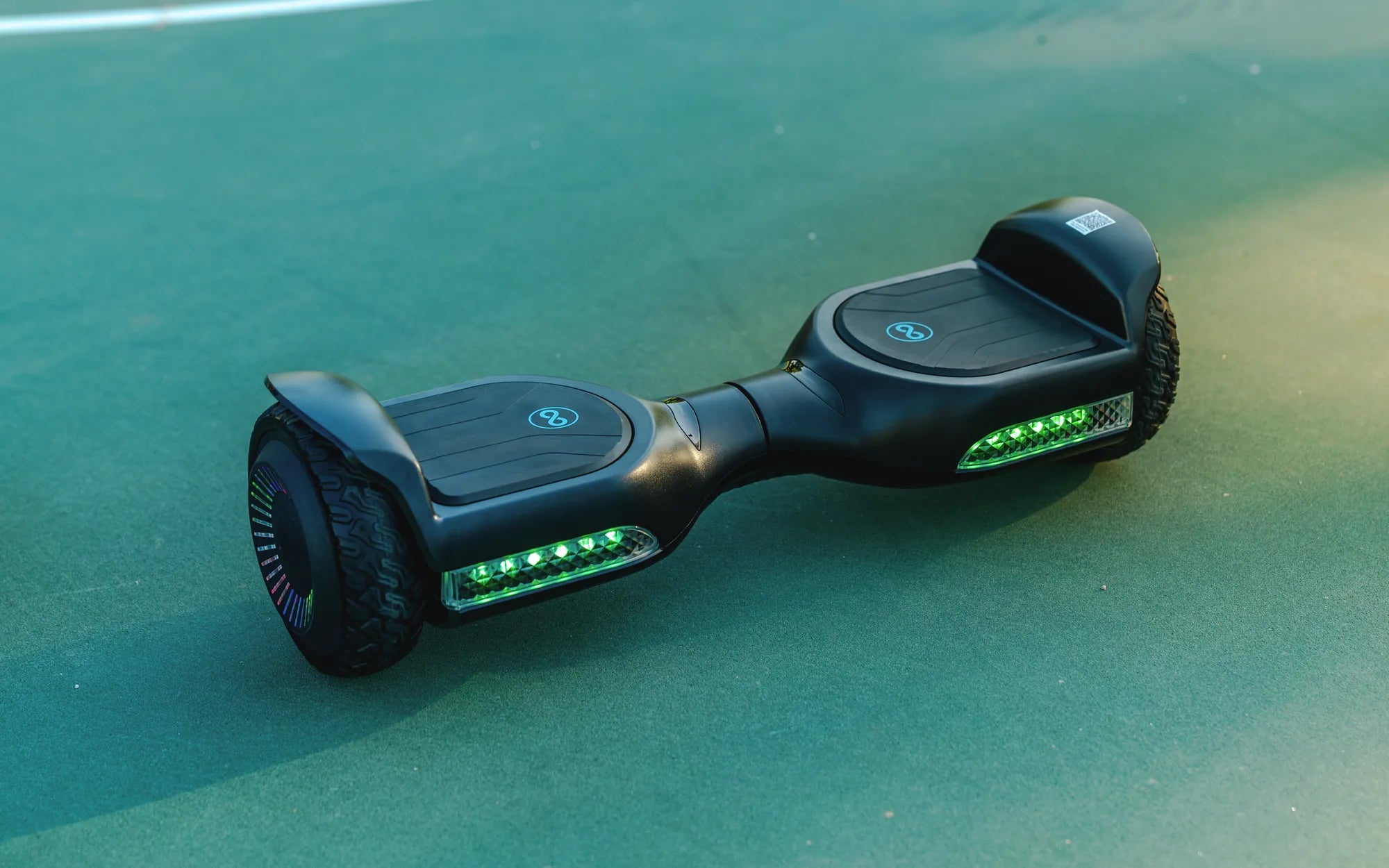
If you've ever seen someone gliding effortlessly down the street on what looks like a futuristic skateboard, you've probably heard it called a hoverboard. But here's the shocking truth: a hoverboard is not a hoverboard. Despite its name, this popular device doesn't hover at all. So why do we call it that? And what exactly is it? Let's dive into the fascinating world of misnamed gadgets and uncover the reality behind this cultural phenomenon.
The Origins of the Hoverboard Myth
The term 'hoverboard' first entered popular culture through science fiction, most notably in the Back to the Future franchise. In these films, hoverboards were depicted as levitating platforms that allowed users to glide above the ground. This futuristic vision captured the imagination of millions, creating a lasting association between the name and the concept of anti-gravity transportation.
Why Today's Devices Don't Hover
The modern devices we call hoverboards are actually self-balancing scooters with two wheels. They operate using gyroscopic sensors and electric motors that respond to the rider's movements. While this technology is impressive, it's fundamentally different from the fictional hoverboards that inspired their name. The key difference? Actual hover would require some form of anti-gravity technology or magnetic levitation, neither of which is present in these consumer devices.
The Science Behind Real Hovering Technology
True hovering technology does exist in limited forms. Maglev trains, for example, use powerful electromagnets to levitate above tracks. Some experimental personal transportation devices use similar principles, but they require specialized surfaces or environments to function. The energy requirements and technical challenges make widespread hover technology impractical for consumer products at this time.
Marketing Genius or Misleading Naming?
The adoption of the hoverboard name for non-hovering devices raises interesting questions about marketing practices. While the name undoubtedly helped generate excitement and sales, it also created unrealistic expectations. Some consumers were disappointed to discover their new 'hoverboard' didn't actually float. This case study in product naming shows both the power and potential pitfalls of leveraging pop culture references in marketing.
The Cultural Impact of the Hoverboard Misnomer
Despite the technical inaccuracy, the hoverboard name has stuck in popular usage. This demonstrates how language evolves and how consumer products can reshape our vocabulary. The device has become a cultural icon, appearing in music videos, movies, and social media, further cementing its place in modern lexicon - accurate or not.
Safety Considerations for Non-Hovering Hoverboards
While they may not hover, these devices do present real safety concerns. Their self-balancing nature can be tricky for beginners, and there have been reports of accidents and even fires related to some models. Understanding that you're actually riding a wheeled device rather than a floating platform might help users approach them with appropriate caution.
The Future of Personal Transportation
As technology advances, we may one day see true hoverboards become reality. Research into magnetic levitation and anti-gravity continues, though significant breakthroughs would be needed for consumer applications. In the meantime, the current generation of so-called hoverboards offers a glimpse into the potential for innovative personal transportation solutions.
Next time you see someone riding a 'hoverboard,' you'll know the surprising truth: it's not hovering at all. This fascinating case of technological misnaming reveals how pop culture shapes our expectations and how marketing can sometimes outpace reality. While we wait for real hover technology to catch up, these wheeled wonders continue to capture our imagination - even if they stay firmly on the ground.
How Do You Bluetooth a Hoverboard: A Step-by-Step Guide
How Do You Turn the Volume Down on a Hoverboard: A Step-by-Step Guide