


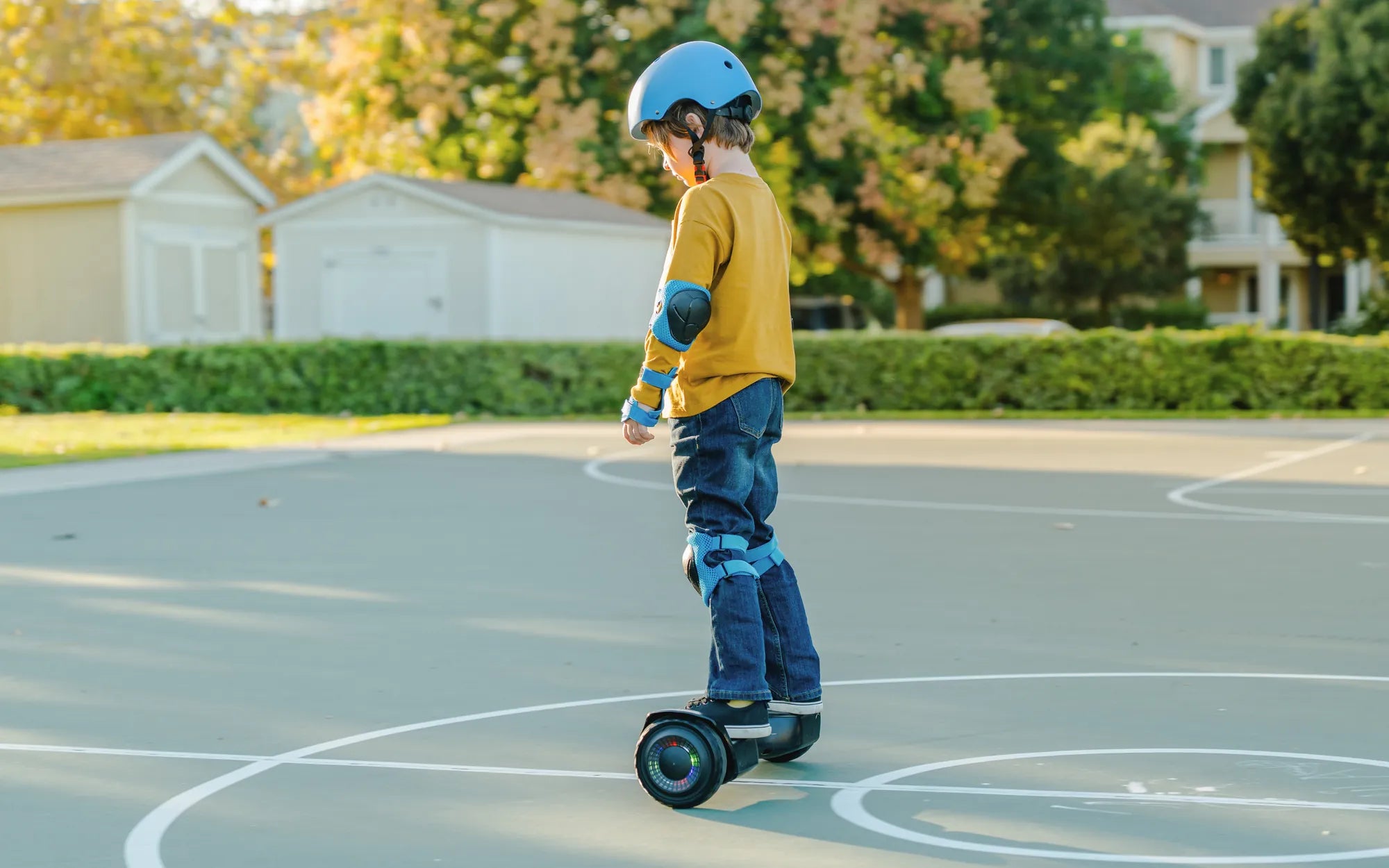
Imagine gliding effortlessly down the street on your very own hoverboard, turning heads and sparking conversations wherever you go. Building your own self-balancing scooter isn't just a fantasy - with the right hoverboard plans, you can make this futuristic dream a reality. Whether you're a DIY enthusiast or just curious about how these fascinating devices work, this guide will walk you through everything you need to know.
Understanding Hoverboard Technology
Before diving into hoverboard plans, it's crucial to understand how these devices function. A hoverboard consists of several key components that work together to create that magical floating sensation. The main elements include:
- Two electric motors (one for each wheel)
- Gyroscopic sensors for balance detection
- Microprocessors that process sensor data
- Lithium-ion battery pack
- Pressure-sensitive foot pads
- Frame and body components
The magic happens when the gyroscopic sensors detect your body's movements and send signals to the motors, adjusting speed and direction accordingly. This sophisticated technology makes building your own hoverboard both challenging and rewarding.
Essential Considerations Before Starting Your Project
Creating a functional hoverboard requires careful planning. Here are the most important factors to consider before selecting your hoverboard plans:
Skill Level and Experience
Be honest about your technical abilities. Some hoverboard plans require advanced electronics knowledge, while others are designed for beginners. Starting with a simpler design and working your way up is often the best approach.
Budget Constraints
Costs can vary significantly depending on the quality of components and complexity of your design. Establish a realistic budget before beginning your project to avoid unexpected expenses.
Safety Features
Since you'll be standing on a moving device, safety should be your top priority. Look for hoverboard plans that include:
- Overcharge protection
- Temperature monitoring
- Non-slip foot pads
- Sturdy frame construction
Legal Requirements
Check your local regulations regarding hoverboard use. Some areas have restrictions on where you can ride them or require certain safety certifications.
Step-by-Step Guide to Building Your Hoverboard
Now that you understand the basics, let's walk through the general process of building a hoverboard from scratch using hoverboard plans.
1. Gathering Materials and Tools
You'll need to source all necessary components before beginning assembly. A typical parts list includes:
- Electric motors (350W minimum recommended)
- Motor controllers
- Gyroscopic sensors
- Microcontroller board
- Battery pack (36V lithium-ion recommended)
- Charging circuit
- Aluminum or steel frame materials
- Rubber wheels
- Various electronic components (resistors, capacitors, etc.)
2. Assembling the Frame
The frame serves as the foundation of your hoverboard. Follow your chosen hoverboard plans carefully when:
- Cutting and shaping frame components
- Welding or bolting pieces together
- Creating mounting points for motors and electronics
- Ensuring proper weight distribution
3. Installing the Drive System
This critical step involves mounting the motors and wheels. Pay special attention to:
- Proper motor alignment
- Secure wheel attachment
- Wheel spacing for stability
- Clearance for moving parts
4. Wiring the Electronics
The electronic components form the brain of your hoverboard. Carefully:
- Connect motors to controllers
- Install and calibrate gyroscopic sensors
- Wire the microcontroller
- Set up the battery and charging system
- Implement all safety circuits
5. Programming the Control System
This advanced step requires coding the microcontroller to:
- Interpret sensor data
- Control motor speed and direction
- Implement safety protocols
- Manage power distribution
6. Final Assembly and Testing
Complete your hoverboard by:
- Installing foot pads and body panels
- Securing all wiring
- Performing initial low-speed tests
- Gradually increasing speed as confidence builds
Troubleshooting Common Issues
Even with excellent hoverboard plans, you may encounter problems during or after construction. Here are solutions to frequent challenges:
Balance Problems
If your hoverboard won't stay level:
- Re-calibrate gyroscopic sensors
- Check for loose motor connections
- Verify proper weight distribution
- Ensure frame is perfectly symmetrical
Power Issues
For battery or electrical problems:
- Test battery voltage under load
- Inspect all wiring connections
- Check for short circuits
- Verify proper charging function
Performance Limitations
If speed or torque seems inadequate:
- Upgrade to higher wattage motors
- Increase battery capacity
- Reduce overall weight
- Improve wheel traction
Advanced Modifications and Customizations
Once you've mastered basic hoverboard construction, consider these exciting upgrades:
Enhanced Battery Systems
Extend your ride time with:
- Higher capacity batteries
- Quick-swap battery systems
- Solar charging capabilities
- Regenerative braking
Smart Features
Add modern conveniences like:
- Bluetooth connectivity
- Mobile app control
- LED lighting systems
- Voice command integration
Performance Upgrades
Boost your hoverboard's capabilities with:
- All-terrain wheels
- Waterproofing for wet conditions
- Suspension systems
- Higher speed controllers
Safety Tips for Hoverboard Riders
Whether you're building or riding a hoverboard, safety should always come first:
- Always wear a helmet and protective gear
- Start in open, flat areas away from traffic
- Regularly inspect your hoverboard for wear or damage
- Avoid riding in wet conditions unless specifically designed for it
- Follow all battery charging and storage guidelines
- Be aware of local laws regarding hoverboard use
The thrill of cruising on a hoverboard you built yourself is unmatched. With the right hoverboard plans, patience, and attention to detail, you'll soon be enjoying the futuristic transportation you've always dreamed about. Who knows - your custom creation might just inspire others to embark on their own DIY hoverboard journey!
Hoverboard Go Kart Keeps Beeping: Causes, Fixes, and Prevention Tips
How Long Are You Supposed to Charge Your Hoverboard: A Complete Guide