


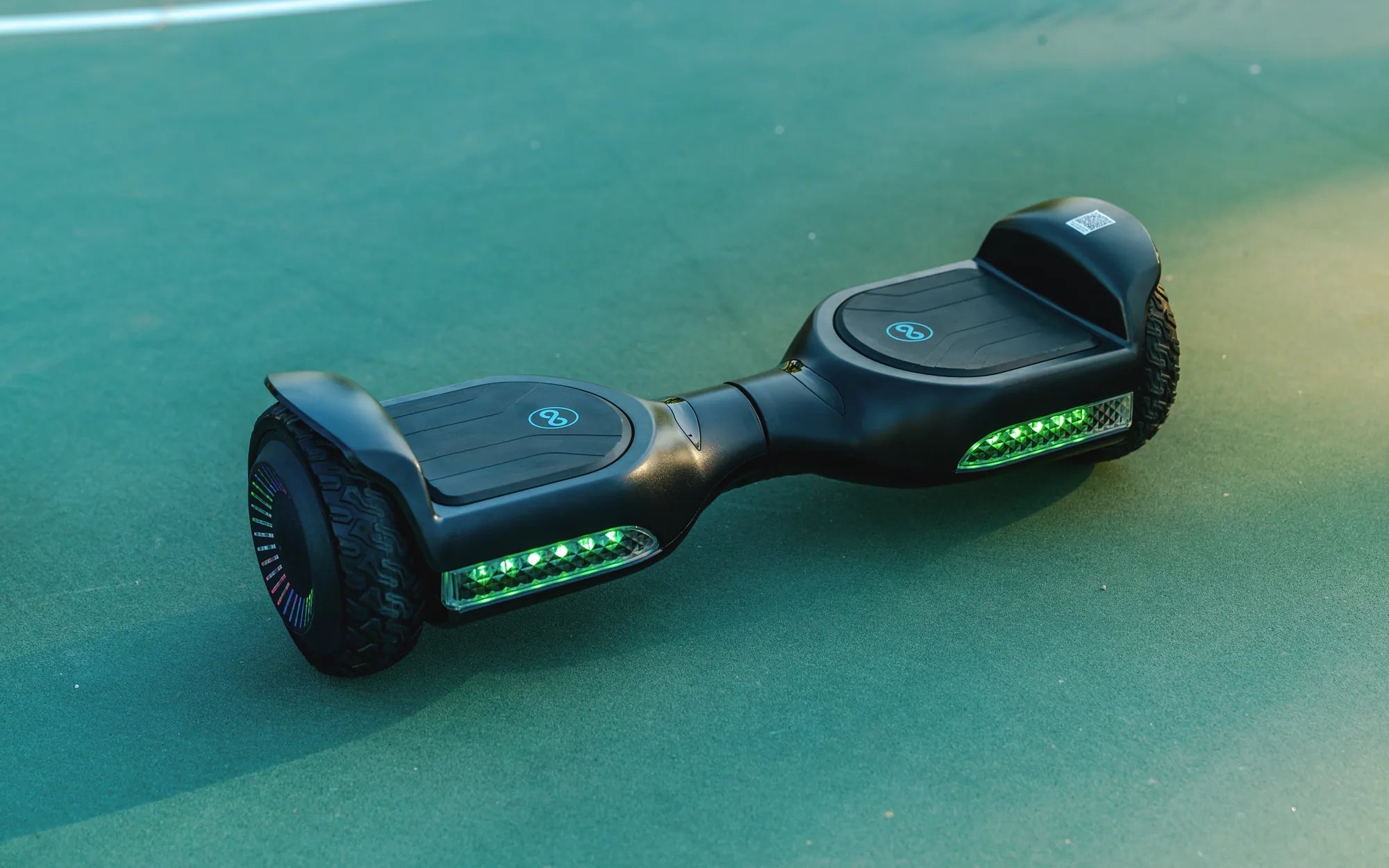
Ever wondered how some people glide effortlessly on hoverboards while others struggle to stay upright? The secret lies in mastering the right techniques. Whether you're a complete beginner or looking to refine your skills, this guide will transform your hoverboard experience.
Getting Started with Your Hoverboard
Before you even step onto your hoverboard, it's crucial to understand its basic mechanics. These self-balancing devices rely on subtle weight shifts to control movement. Start by placing your hoverboard on a flat, smooth surface away from obstacles.
Mounting Your Hoverboard Safely
The first challenge most riders face is simply getting on the device. Follow these steps:
- Stand directly behind your hoverboard with one foot ready to step on
- Place your dominant foot firmly on the footpad, keeping it parallel to the ground
- Quickly bring your other foot up as the board stabilizes
- Keep your knees slightly bent and your core engaged
Remember to use a wall or railing for support when first learning. Most falls occur during mounting, so take your time with this step.
Mastering Basic Movement
Once you're comfortably standing on your hoverboard, it's time to move. The controls are intuitive but require practice:
- Forward: Lean slightly forward from your ankles (not your waist)
- Backward: Apply gentle pressure through your heels
- Turning: Twist your feet in opposite directions (right foot forward, left foot back to turn right)
Start with small movements and gradually increase your speed as you gain confidence. Avoid sudden weight shifts that could cause loss of balance.
Advanced Riding Techniques
After mastering basic movement, you can progress to more advanced techniques:
Carving Turns
Instead of sharp turns, practice smooth, flowing carves by combining forward motion with gentle foot rotation. This technique is especially useful for maintaining speed through turns.
Speed Control
Learn to modulate your speed by adjusting your lean angle. The further you lean, the faster you'll go, but always stay within comfortable limits. Most hoverboards have speed limiters for safety.
Safety Considerations
No hoverboard guide would be complete without emphasizing safety:
- Always wear appropriate safety gear (helmet, wrist guards, knee pads)
- Start in open areas away from traffic and obstacles
- Be aware of local regulations regarding hoverboard use
- Avoid riding on uneven or slippery surfaces
- Never exceed the weight limit of your device
Troubleshooting Common Issues
Even experienced riders encounter problems sometimes. Here's how to handle common situations:
| Issue | Solution |
|---|---|
| Hoverboard won't balance | Check that it's on a level surface and fully charged |
| Uneven foot pressure | Practice stationary balancing exercises |
| Overly sensitive controls | Reset the hoverboard to factory settings if possible |
Taking Your Skills to the Next Level
Once you've mastered the fundamentals, you can explore more creative riding styles. Some riders enjoy choreographed routines, while others prefer obstacle courses. The key is to progress gradually and always prioritize safety.
Imagine effortlessly gliding through your neighborhood, turning heads with your smooth hoverboard skills. With consistent practice and the techniques outlined in this guide, that vision can become your reality. The world of hoverboarding awaits - are you ready to ride?
Hoverboard Combo UK: The Ultimate Guide to Choosing the Best Ride
My Hoverboard Won't Stop Beeping: Causes and Fixes You Need to Know