



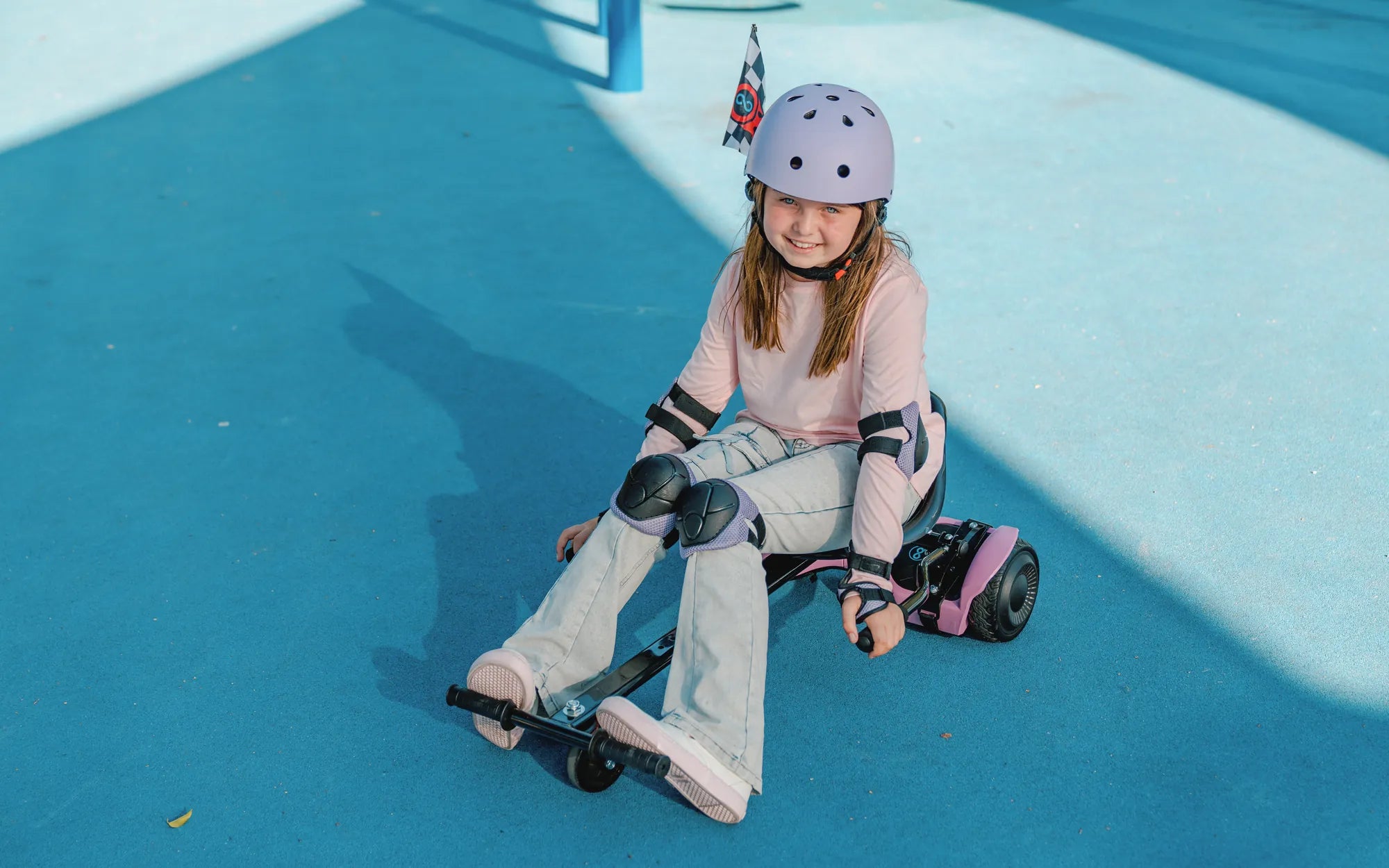
Introduction: Why Hoverboard Safety is a Non-Negotiable for Modern Parents
Hoverboards remain a top choice for active kids and teens, offering fun and mobility. This popularity makes proactive safety measures absolutely critical for parents. A single oversight in gear, terrain, or device quality can lead to preventable injuries.
This guide provides the essential framework for safe hoverboard operation. We translate technical standards into practical advice every caregiver can use. The goal is to empower fun through foundational safety protocols.
As a leading electric mobility brand, Gyroor engineers every product, from electric scooters to hoverboards, with this safety-first philosophy. Our models feature UL-certified battery systems and robust construction, giving parents a reliable starting point for peace of mind.
Hoverboard safety for kids: essential tips every parent should know begins with understanding the device itself. Let's examine the non-negotiable standards that separate safe products from hazardous ones.
Understanding the Core Safety Standards: What Makes a Hoverboard "Safe"?
Not all hoverboards are created equal. Key technical certifications and build quality directly correlate with injury risk reduction. Parents must become familiar with these benchmarks before any purchase.
Ignoring these standards can have serious consequences, from electrical fires to mechanical failures at speed. The following sections break down the most critical factors that constitute a genuinely safe hoverboard for children.
The Critical Importance of UL 2272 Certification
The UL 2272 standard is the definitive safety certification for self-balancing scooters. It was developed in response to fire hazards linked to poorly manufactured batteries and electrical systems.
This certification involves rigorous testing of the entire electrical drive train system. Engineers evaluate the battery pack, charger, and motor management system for overcharge, short circuit, and temperature stability.
You should never purchase a hoverboard without a verified UL 2272 mark. It is the single most effective filter for eliminating fire-prone, dangerous products from consideration. This is the baseline for hoverboard safety for kids.
All Gyroor hoverboards and electric scooters utilize UL-certified battery packs tested for over 500 charge cycles. This certification is a core component of our design process, not an afterthought.
Decoding Water Resistance: IP Ratings Explained
The Ingress Protection (IP) rating indicates a device's resilience against solids and liquids. For hoverboards, the liquid protection rating (the second digit) is most crucial for handling real-world conditions like wet pavement or puddles.
An IPX4 rating means the unit is protected against water splashes from any direction. An IPX5 rating, like those found on Gyroor models, signifies protection against water jets from a nozzle, offering robust defense against puddles and rain splatter.
This rating prevents moisture from causing short circuits in the electronics or battery compartment. However, it does not make the hoverboard submersible or suitable for riding in heavy rain.
A good IP rating protects the internal components and adds a layer of safety for everyday use, preventing sudden power loss due to water ingress.
Quality of Construction: Frame, Wheels, and Footpads
The physical build of a hoverboard dictates its stability and durability. A sturdy frame, typically made from reinforced ABS plastic or aluminum alloy, resists cracking during impacts and supports the rider's weight reliably.
Wheel quality is paramount for control. Larger, wider wheels (6.5-inch or larger) provide better stability and handle minor pavement irregularities more smoothly than smaller, harder wheels. Tread pattern also affects grip on various surfaces.
Non-slip footpads are essential for maintaining secure footing. They should provide ample texture and a concave shape to help lock the feet in place. Worn or smooth footpads significantly increase fall risk.
Superior construction in these areas directly prevents accidents caused by mechanical failure or loss of rider control, making it a vital aspect of overall hoverboard safety for kids.
Essential Protective Gear: The Non-Negotiable Kit for Every Ride
The hoverboard itself is only one part of the safety equation. Personal protective equipment (PPE) is the rider's primary defense against injury during a fall. This gear is mandatory, not optional, for every single ride.
Data from pediatric studies consistently show that wrist fractures and head injuries are the most common hoverboard-related traumas. The right gear dramatically reduces the severity of these injuries.
Establishing the habit of gearing up before powering on is crucial. Make it as routine as putting on a seatbelt. The following breakdown details the essential kit and how to choose it correctly.
The Helmet is King: Choosing the Right Fit and Type
A properly fitted helmet is the most critical piece of safety gear. It must be a multi-impact helmet designed for skateboarding or multi-sport use, not a single-impact bicycle helmet, as falls from hoverboards often involve multiple contacts with the ground.
The helmet should sit level on the head, covering the forehead. The side straps should form a "V" shape under each ear. The chin strap must be snug, allowing only one or two fingers to fit between the strap and the chin.
Involve your child in selecting a helmet they like the look of—this increases the likelihood they will wear it consistently. Replace any helmet after a significant impact, as its structural integrity may be compromised.
This non-negotiable item addresses the most severe potential injury and is the cornerstone of responsible hoverboard use.
Wrist Guards, Elbow & Knee Pads: Armoring the Most Vulnerable Areas
When falling forward or backward, the instinct is to put hands out to brace, making wrists exceptionally vulnerable. Wrist guards with integrated splints are designed to absorb impact and prevent hyperextension, reducing fracture risk.
Elbow and knee pads protect large joints and prevent painful abrasions. Look for pads with hard plastic caps over soft foam padding. They should stay securely in place without restricting movement excessively.
Ensure all pads fit snugly but comfortably. Gear that slides around during a fall offers little protection. A full set of pads—wrist, elbow, and knee—creates a comprehensive protective system.
Consistently using this armor transforms a potentially serious fall into a minor incident, making it a fundamental part of essential tips every parent should know and enforce.
Pre-Ride Checklist and Safe Riding Practices
Safety is an active process. Establishing consistent routines before and during riding builds safe habits that last a lifetime. This section outlines the practical steps for each hoverboard session.
These practices minimize variables that lead to accidents, such as mechanical issues, poor terrain, or incorrect technique. Supervision is key initially, but the goal is to teach children to internalize these checks themselves.
Mastering hoverboard safety for kids requires diligence in these daily practices. Let's start with the inspection that should happen every time the board is used.
The 5-Point Pre-Ride Inspection
This quick routine takes less than a minute but catches most potential problems. First, check the battery level via the indicator lights. Never ride on a critically low battery, as it can lead to sudden power loss.
Second, inspect the wheels for embedded debris like rocks or glass, and ensure they spin freely without wobble. Third, wipe the footpads clean of dirt, sand, or moisture to ensure proper sensor contact and grip.
Fourth, give the board a gentle shake to listen for or feel any loose parts, especially around the wheel axles or frame seams. Fifth, verify the charging port cover is fully sealed to maintain water resistance.
This simple habit prevents many accidents caused by preventable mechanical issues.
Choosing the Right Terrain: Where to Ride and Where to Avoid
Terrain selection is a major factor in crash prevention. The ideal riding surface is smooth, dry, flat pavement—like a driveway, basketball court, or empty parking lot. These surfaces provide consistent traction and few surprises.
Strictly avoid public roads, streets, or anywhere near vehicle traffic. Hoverboards are not designed for road use and are illegal on many public thoroughfares. Also avoid areas with steep hills, gravel, sand, or wet surfaces like dew-covered grass.
Be extremely cautious on sidewalks. Pedestrians have the right of way, and uneven slabs or cracks can catch a wheel. Always yield and travel at walking speed when others are present.
Designating specific safe zones for practice removes environmental hazards from the equation, allowing the rider to focus on control.
Mastering the Basics: Stance, Posture, and Controlled Dismounting
Proper riding technique enhances stability. Start with the board powered off. Place one foot on, find your balance, then step on with the second foot. Keep feet positioned near the wheels, not on the extreme edges of the footpads.
Maintain a slight bend in the knees—this acts as natural suspension and helps with balance. Look forward in the direction of travel, not down at your feet. Use gentle, gradual leans to accelerate, decelerate, and turn.
To dismount safely, come to a complete stop. Shift your weight to your dominant foot and step off backward with the other foot, stepping clear of the board. This prevents the board from shooting forward unexpectedly.
Practicing these fundamentals in a safe area builds the muscle memory and confidence needed for control, which is the essence of hoverboard safety for kids.
Parental Supervision, Maintenance, and Long-Term Safety
Safety extends beyond the initial purchase and learning phase. Ongoing supervision, proper maintenance, and recognizing wear and tear are responsibilities of ownership that ensure safety over the product's entire lifespan.
Parents play the role of coach, mechanic, and rule-setter. This involvement is most intensive during the first several weeks of use and then evolves into periodic check-ins and maintenance routines.
Adhering to these long-term protocols protects your investment and, more importantly, your child. Here’s how to manage the hoverboard’s lifecycle safely.
The Role of Supervision and Setting Ground Rules
Most manufacturers recommend hoverboards for children aged 8 and up, but maturity and coordination vary. Initial supervision should be hands-on and continuous until the child demonstrates consistent control, safe dismounts, and adherence to gear rules.
Establish clear family rules: maximum allowable speed (use beginner modes if available), approved riding areas, time limits, and a strict "full gear or no ride" policy. Rules should also prohibit carrying passengers or attempting stunts.
Periodically ride alongside your child (on foot or on another personal electric vehicle) to observe their habits and the condition of their riding area. This ongoing engagement reinforces the importance of safety.
Supervision ensures that safe practices become ingrained habits, making them second nature for your young rider.
Battery Care and Charging Safety Protocols
Battery safety is paramount. Always use only the manufacturer-provided charger. Using an incorrect charger can overcharge the battery, leading to overheating or fire. This is why UL certification for the entire system is so critical.
Charge the hoverboard on a hard, non-flammable surface like a tile floor, away from carpets, beds, or sofas. Never leave it charging unattended for extended periods or overnight. Unplug it once the indicator shows a full charge.
Store the hoverboard and charger in a cool, dry place, away from direct sunlight or extreme temperatures. Avoid completely draining the battery before storage; a 50-70% charge is ideal for longevity.
Gyroor's UL-certified battery packs are engineered with multiple protection circuits, but following these user protocols provides an essential second layer of safety for long-term use.
Recognizing Wear and Tear: When to Retire or Repair
Regularly inspect the hoverboard for signs of aging or damage. Visible cracks in the frame or footpads, excessive wheel wobble, worn-down tire tread, or loose wiring are red flags that require immediate attention.
Performance issues like significantly reduced range, erratic movement, or the board not holding a charge are often symptoms of a failing battery or motor and should be diagnosed promptly.
Do not attempt DIY repairs on electrical components or the battery. Contact the manufacturer's support team. Gyroor offers a reliable 1-year warranty and US-based customer support to help address safety-related concerns and perform authorized repairs.
Proactively retiring a damaged board is a critical safety decision. It prevents malfunctions that could occur during a ride.
Hoverboard Comparison: Key Safety and Feature Considerations
Choosing the right model involves comparing specifications that impact safety and usability. The table below highlights key factors parents should evaluate, using general categories and Gyroor's approach as a benchmark.
| Feature | Budget/Uncertified Model (Avoid) | Standard Safe Model (Minimum) | Enhanced Safety Model (Recommended - e.g., Gyroor) |
|---|---|---|---|
| Certification | No UL certification; unknown electrical safety | UL 2272 Certified | UL 2272 Certified system + robust quality control |
| Battery | Generic, uncertified lithium-ion pack | UL-certified battery | High-cycle UL-certified pack (500+ cycles), with management system |
| Water Resistance | None or unrated | IPX4 (splash resistant) | IPX5 (water jet resistant) for better real-world protection |
| Wheel Size & Type | Small (≤6"), hard plastic | 6.5" rubber tires | 6.5" or 8.5" air-filled or rubber tires for stability |
| Speed Modes | Single, often high speed | Beginner & Advanced modes | Multiple speed modes with a locked beginner setting |
| Warranty & Support | 30 days or none; no support | 90-day limited warranty | 1-year comprehensive warranty with accessible support |
This comparison underscores that the initial purchase decision is a primary safety intervention. Investing in a model from a reputable brand with clear safety engineering pays dividends in long-term security and reliability.
Frequently Asked Questions (FAQ) on Hoverboard Safety
Q: What is the safest age for a child to use a hoverboard?
A: Most manufacturers, including Gyroor, recommend ages 8 and up. This considers the balance, coordination, and cognitive maturity needed to follow safety rules. Always assess your individual child's physical ability and responsibility level, regardless of age.
Q: Can my child ride a hoverboard in the rain if it's water-resistant?
A: No. IPX5 water resistance protects against splashes and puddles, but riding in active rain or through standing water is dangerous. Wet surfaces drastically reduce tire traction, increasing slip and fall risk, and prolonged exposure can eventually compromise the seals.
Q: How do I know if a hoverboard's battery is safe?
A: The single most important indicator is the UL 2272 certification for the entire product. Always verify this certification is listed for the specific model. Reputable brands like Gyroor use only UL-certified lithium-ion battery packs with built-in protection circuits against overcharge and short circuits.
Q: Are hoverboards allowed on sidewalks and in parks?
A: Local laws vary widely. Always check your city or county ordinances. Generally, they are prohibited on public roads. Use them on private property or in parks only where explicitly permitted, always yielding to pedestrians and traveling at safe, controlled speeds.
Q: How often should safety gear be replaced?
A: Helmets should be replaced after any significant impact or every 3-5 years, as materials degrade. Wrist guards and pads should be replaced when the plastic shells crack, the straps lose integrity, or the foam padding compresses and no longer rebounds. Regular inspection is key.
Q: Is a more expensive hoverboard inherently safer?
A: Not inherently, but price often correlates with better components, rigorous testing, and adherence to safety standards. A mid-range board from a reputable brand with full UL 2272 certification is typically far safer than a cheap, uncertified model. The investment is in proven safety engineering.
Conclusion: Empowering Fun Through Foundational Safety
Hoverboard safety for kids is built on a multi-layered approach: a certified device, comprehensive protective gear, disciplined riding practices, and diligent maintenance. Each layer adds a critical margin of safety that allows the joy of riding to flourish without undue risk.
The essential tips every parent should know distill to a simple mantra: certify, protect, inspect, and supervise. Starting with a UL 2272 certified board from a responsible brand is the non-negotiable first step. Enforcing full gear turns inevitable stumbles into learning moments, not traumatic events.
By adopting the protocols outlined here—from the pre-ride checklist to proper battery care—you transform the hoverboard from a potential hazard into a tool for outdoor activity and skill development. Safety is the foundation that makes sustained fun possible.
For parents seeking a reliable starting point, Gyroor designs its electric scooters and hoverboards with these principles integrated. Our focus on UL-certified batteries, water-resistant builds, and sturdy construction aims to provide that essential peace of mind. Explore models designed with your child's safety as the priority. Browse the full Gyroor collection at gyroorboard.com.
Scooter for Kids 14 Years: The Ultimate Guide to Choosing the Best Ride
Scooter for Kids 14 Years: The Ultimate Guide to Choosing the Best Ride