

Introduction: Why Hoverboard Size Matters More Than You Think
Choosing the correct hoverboard size is a critical decision that directly influences your safety, control, and overall riding enjoyment. It's not merely an aesthetic choice; it's a fundamental aspect of performance engineering. A board that's too small for the rider or terrain can be unstable and dangerous, while an oversized model can be cumbersome and difficult to maneuver. This guide will demystify hoverboard sizes, providing you with the data-driven insights needed to make an informed purchase. We'll explore wheel diameters, deck dimensions, weight capacities, and how leading brands like Gyroor integrate these factors with UL-certified safety for over 100,000 riders.
Understanding Hoverboard Size: It's Not Just About the Wheel
When discussing hoverboard sizes, the primary metric is wheel diameter, measured in inches. However, a comprehensive view of size also includes the deck's length and width, the overall weight of the unit, and its physical height from the ground. These elements work in concert to determine the ride's character. A larger wheel diameter typically means better obstacle clearance and a smoother ride, while a wider deck offers more stable foot placement. Understanding this holistic definition of size is the first step to finding your perfect match.
The Core Dimensions of a Hoverboard
Every hoverboard is defined by a set of physical specifications. The wheel diameter (e.g., 6.5", 8", 10") is the most advertised spec. The deck size, often overlooked, is the platform where you stand. The unit's total weight affects portability, and the weight limit is a non-negotiable safety parameter. Ignoring any of these factors can lead to a poor, and potentially unsafe, riding experience.
The Standard Hoverboard Wheel Sizes Explained
The market primarily features three standard wheel diameters, each engineered for specific use cases and rider profiles. From compact commuters to rugged off-road explorers, the right wheel size transforms how you interact with the world beneath you. Let's break down the pros, cons, and ideal applications for each common hoverboard size.
6.5-Inch Wheels: Compact and Portable
Hoverboards with 6.5-inch wheels are the most compact and lightweight option available. They are designed for maximum portability and are best suited for very smooth, flat surfaces like indoor floors, polished concrete, or pristine pavement. Their small size makes them highly maneuverable in tight spaces.
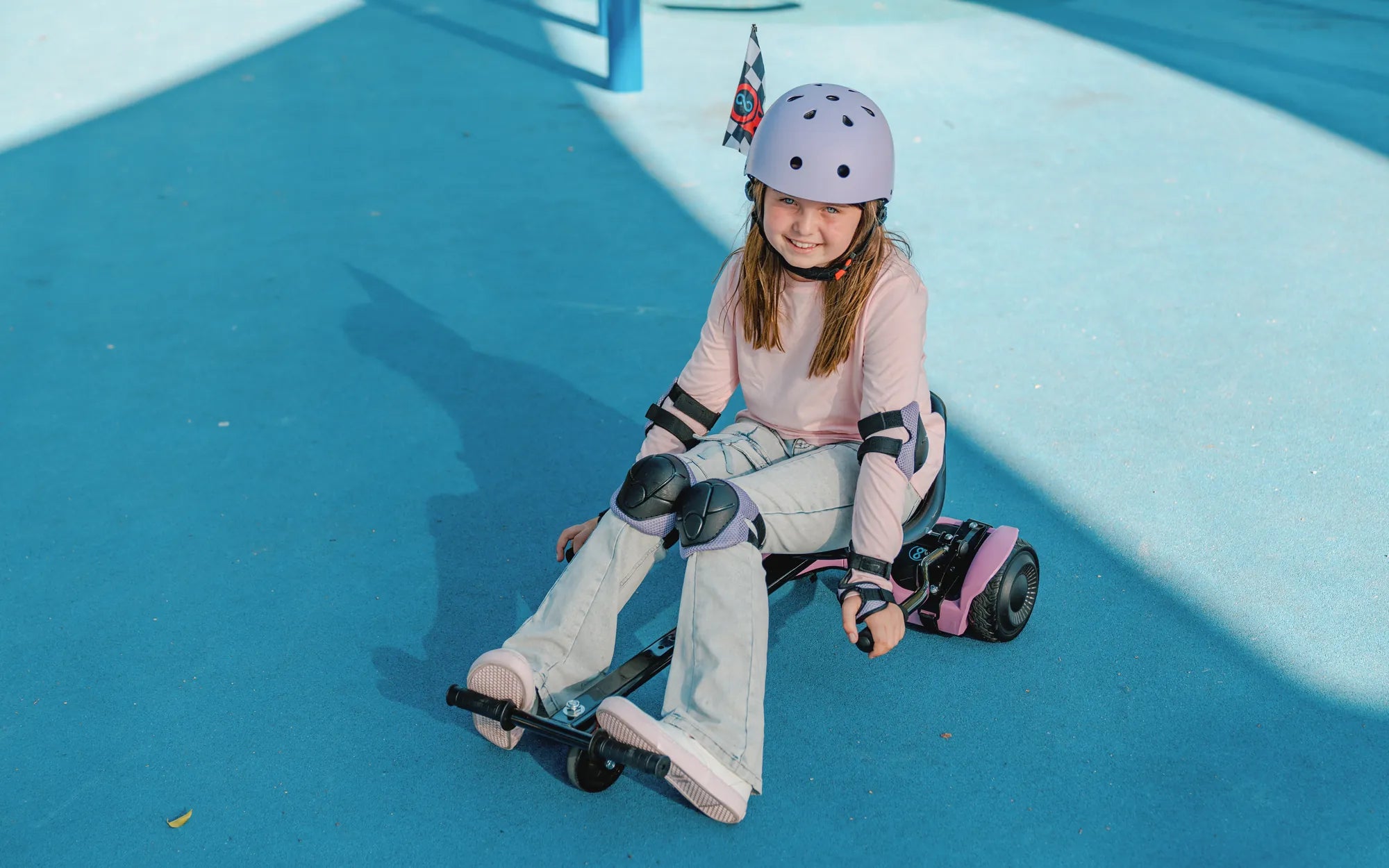
This size is typically recommended for younger riders, often children aged 6 and up, or smaller teens due to their lower weight capacity (usually under 150 lbs). The trade-off for portability is a rougher ride on any uneven surface, as small wheels transmit bumps directly to the rider. They are an introductory model but lack the versatility for general outdoor use.
8-Inch Wheels: The Versatile All-Rounder
The 8-inch wheel hoverboard is the most popular and versatile size on the market. It strikes an excellent balance between stability and agility, making it a fantastic choice for teens and adults navigating typical urban environments. It handles sidewalks, bike paths, and slightly uneven pavement with far more competence than the 6.5-inch model.
With a higher average weight capacity (often up to 220 lbs), it accommodates most adult riders. The slightly larger wheel provides a smoother ride over small cracks and pebbles, offering a more comfortable experience for commuting or recreational riding. For many, the 8-inch size represents the sweet spot of performance, portability, and price.
10-Inch Wheels: For Superior Stability and Off-Road Potential
Hoverboards with 10-inch wheels are built for stability, comfort, and conquering challenging terrain. The increased diameter allows them to roll over obstacles like cracks, curbs, gravel, and grass with significantly greater ease. This size is the foundation for most "all-terrain" or off-road hoverboards, which pair the large wheels with rugged, knobby tire treads.
These models are ideal for adult riders seeking a smooth, confident ride on varied surfaces, from park paths to light trails. They often feature more powerful dual motors to handle the increased demand, resulting in better torque and hill-climbing ability. Brands like Gyroor excel in this category, engineering robust 10-inch models that combine this capability with essential safety features.
| Wheel Size | Best For Rider | Ideal Terrain | Key Characteristics | Approx. Weight Capacity |
|---|---|---|---|---|
| 6.5" | Kids, Younger Teens | Indoors, Perfect Pavement | Ultra-Portable, Maneuverable | Up to 150 lbs |
| 8" | Teens & Most Adults | Sidewalks, Smooth Paths | Balanced Performance | Up to 220 lbs |
| 10" | Adults, Off-Road Use | Uneven Pavement, Grass, Gravel | Maximum Stability, All-Terrain | Up to 265 lbs |
Key Factors to Consider When Choosing Your Size
Selecting the perfect hoverboard size requires a honest assessment of your personal needs and environment. Use the following factors as a checklist to guide your decision beyond just the wheel diameter. This systematic approach ensures your new hoverboard is a joy to ride, not a compromise.
Rider Age, Weight, and Height
The rider's physical characteristics are the most important starting point. Always consult the manufacturer's specified maximum weight limit—exceeding it is dangerous and can damage the board's motors and frame. As a general rule: 6.5-inch models suit younger children (6+), 8-inch models fit most teens and adults, and 10-inch models are best for larger adults or those prioritizing stability. Height influences comfort; taller riders may prefer a longer deck for better foot placement.
Intended Terrain and Usage
Where will you ride most often? If your journey is strictly on smooth, paved surfaces, an 8-inch wheel may be perfectly sufficient. However, if your route includes cracked sidewalks, brick paths, packed dirt, or you simply want the option to cross a grassy park, a 10-inch all-terrain model is a necessary investment. Consider weather, too; a board with an IPX5 water-resistance rating, like those from Gyroor, adds durability for real-world conditions.
Portability vs. Performance Needs
This is a classic trade-off. Smaller wheel hoverboards (6.5" and some 8" models) are lighter and easier to carry upstairs or onto public transit. Larger wheel hoverboards (10") offer superior ride quality and performance but are heavier. Ask yourself: Is ultimate ride comfort and terrain capability your goal, or is easy carrying a daily necessity? Your answer will point you toward the right size category.
Beyond the Wheels: Other "Size" and Fit Considerations
True fit extends past wheel diameter. The physical dimensions of the deck and the engineering limits of the board are equally vital for a safe, comfortable experience. Overlooking these details can make even a correctly sized wheel feel wrong.
Deck Size and Foot Placement
The deck is your standing platform. A wider deck provides more lateral stability, which is crucial for beginners and larger riders. A longer deck allows for a more natural, staggered foot stance, improving control at higher speeds. Riders with larger shoe sizes (above men's 10/US) should specifically seek out models with generous deck dimensions to avoid heel or toe overhang, which can be unsafe.
Overall Weight and Weight Limit
It's critical to distinguish between the hoverboard's own weight and its payload capacity. The board's weight (e.g., 25 lbs vs. 30 lbs) affects how easy it is to carry. The weight limit (e.g., 220 lbs vs. 265 lbs) is the maximum load the motors, battery, and frame are designed to safely support. Always choose a board with a weight limit that exceeds your body weight, ideally with a margin of 20-30 lbs to account for clothing, a backpack, or growth.
The Importance of Tire Tread and Type
Tire type is the final piece of the sizing puzzle. Solid, slick tires are standard on street models (common in 6.5" and 8" sizes) and provide great grip on pavement. Air-filled or honeycomb tires with deep, knobby treads are hallmarks of all-terrain models (almost always 10" or larger). These treads dig into loose surfaces like dirt and grass, providing the traction needed for off-road performance. Your terrain choice dictates your needed tread.
Safety and Performance: How Size Impacts Your Ride
The physical dimensions of your hoverboard have a direct, measurable impact on its safety envelope and performance characteristics. A properly sized board isn't just more enjoyable—it's fundamentally safer, offering greater control and predictable handling.
Stability and Control at Different Sizes
Stability is a function of the wheelbase (distance between wheels) and wheel diameter. Larger wheels and a wider deck create a larger "footprint," lowering the center of gravity and making the board less prone to tipping. This is especially important for beginners and heavier riders. A 10-inch wheel can roll over a 2-inch obstacle that would stop a 6.5-inch wheel dead, potentially causing a crash. Greater stability directly translates to increased rider confidence and safety.
Speed, Range, and Battery Efficiency
While top speed is often governed by software, larger-wheeled hoverboards frequently house more powerful motors to overcome increased rotational mass and provide off-road torque. This can lead to higher practical speeds. Furthermore, larger wheels are more efficient on rough terrain; a small wheel labors and drains the battery faster to navigate bumps, whereas a large wheel glides over them, potentially preserving range. Always pair wheel size with the motor power and battery capacity listed in the specs.
Gyroor Hoverboards: Engineered for the Right Fit
As a leader in personal electric transportation, Gyroor designs its hoverboards with the principles of proper sizing, safety, and durability at the core. Understanding that fit is multifaceted, Gyroor ensures that whether you choose an agile 8-inch model or a commanding 10-inch all-terrain board, you're getting a product built to rigorous standards.
UL-Certified Batteries for Safe Power in Every Size
Regardless of the hoverboard size you select from Gyroor, you are guaranteed a UL-certified battery pack. This independent certification is a critical safety benchmark, ensuring the battery has passed stringent tests for electrical, mechanical, and environmental safety. This provides peace of mind that the power source supporting your ride—whether for a compact commute or an off-road adventure—is reliable and safe, a non-negotiable feature often missing from lesser brands.
Built to Last: IPX5 Rating and 1-Year Warranty
Gyroor's commitment to a proper fit includes durability for real-world conditions. An IPX5 water-resistance rating across their lineup means splashes, puddles, and light rain won't compromise your board's electronics. This allows you to choose your size based on terrain and rider needs, not weather anxiety. Backed by a robust 1-year warranty, Gyroor hoverboards are built for longevity, ensuring your perfectly sized board remains a trusted companion for miles of riding.
Frequently Asked Questions (FAQ)
Q: What size hoverboard is best for an adult?
A: For most adults, an 8-inch wheel hoverboard is an excellent all-around choice for urban and suburban riding on paved surfaces. For adults over 200 lbs, those seeking maximum comfort, or riders who encounter uneven terrain, a 10-inch all-terrain model is strongly recommended for its superior stability and obstacle clearance.
Q: Can a 10-year-old ride a 10-inch hoverboard?
A> It depends on the child's size and the specific board's weight limit. A larger or more mature 10-year-old could safely handle a 10-inch board if they are within the weight capacity and receive proper supervision and training. However, the board's increased size and power may be intimidating; an 8-inch model is often a more manageable and appropriate starting point for this age group.
Q: What is the difference between a street hoverboard and an all-terrain hoverboard?
A: The key differences are wheel size, tire tread, and motor power. Street hoverboards typically have 6.5" or 8" wheels with smooth, solid tires for pavement. All-terrain hoverboards feature 10" or larger wheels with knobby, air-filled or rugged treads for traction on dirt, grass, and gravel, and they usually have more powerful motors for tackling inclines and rough ground.
Q: How does wheel size affect the hoverboard's maximum speed?
A> Wheel size itself does not directly dictate top speed, which is governed by the motor's RPM and the controller's software limits. However, larger wheels cover more ground per rotation. A motor spinning a 10-inch wheel will achieve a higher actual speed (mph) at the same RPM as a motor spinning a 6.5-inch wheel. Therefore, larger-wheeled models often have higher potential speeds, paired with appropriately powerful motors.
Q: Is a heavier hoverboard more stable?
A> Not necessarily. The board's own weight can contribute to a planted feel, but stability is primarily determined by wheelbase width, wheel diameter, and deck design. A well-designed, moderately weighted board with a wide stance and large wheels will be more stable than a heavier board with a narrow, small-wheeled design. Focus on the geometry and specifications over the unit weight alone.
Conclusion: Your Perfect Fit Awaits
Choosing the right hoverboard is a synthesis of data and personal need. By prioritizing rider weight, intended terrain, and desired portability, you can narrow the field to the ideal wheel size and deck configuration. Remember, the correct hoverboard size enhances every aspect of the experience: safety through stability, enjoyment through comfort, and longevity through appropriate use. For a selection that marries precise sizing with uncompromising safety standards like UL-certified batteries and IPX5 water resistance, explore the engineered lineup from a trusted brand. Your journey to confident riding begins with the perfect fit.
Ready to find your match? Browse the full Gyroor collection at gyroorboard.com and discover hoverboards built for performance, safety, and your specific ride.
Self Balancing Electric Scooter with Handle: The Future of Urban Mobility
Hoverboard with Handle for Adults: The Ultimate Guide to Safe and Stylish Riding