


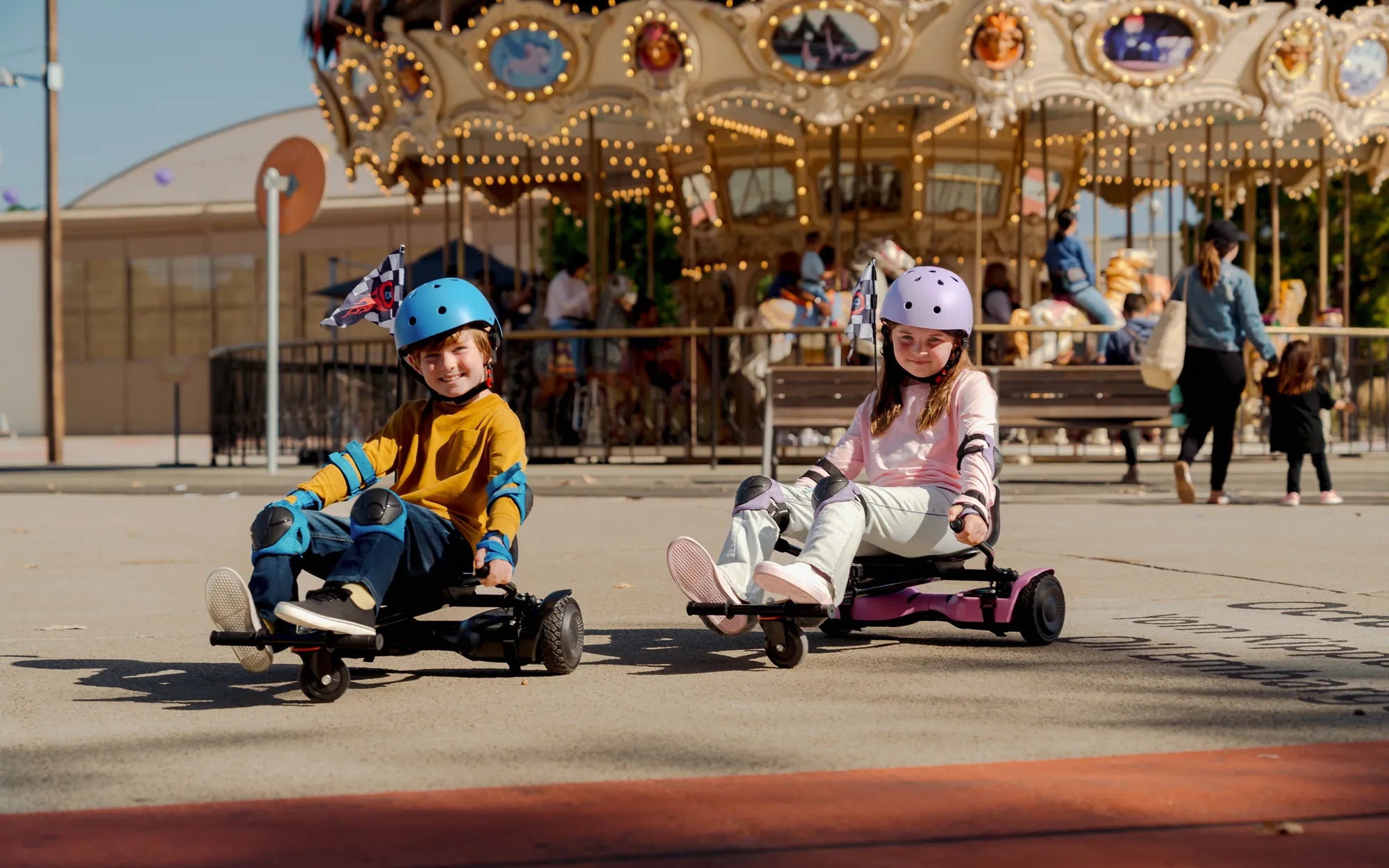
Imagine gliding effortlessly down the street on a sleek, futuristic hoverboard—without the fear of it bursting into flames. Sounds too good to be true? Not anymore. With advancements in technology and stricter safety standards, hoverboards that won't catch on fire are now a reality. But how do you separate the safe from the hazardous? Let's dive in.
The Rise and Fall of Hoverboards
Hoverboards took the world by storm a few years ago, promising a fun and convenient way to get around. However, their popularity was quickly overshadowed by reports of fires caused by faulty batteries and poor manufacturing. These incidents led to widespread recalls and a loss of trust in the product. But the industry has since evolved, and today's hoverboards are built with safety as a top priority.
What Makes a Hoverboard Safe?
Not all hoverboards are created equal. Here are the key features to look for in a hoverboard that won't catch on fire:
- Certifications: Look for UL 2272 certification, which ensures the hoverboard meets rigorous electrical and fire safety standards.
- Battery Quality: High-quality lithium-ion batteries with built-in protection circuits are essential for preventing overheating.
- Build Materials: Fire-resistant casings and durable components reduce the risk of malfunctions.
- Reputable Manufacturers: Stick to brands with a proven track record of safety and reliability.
How to Spot a Dangerous Hoverboard
While safe hoverboards are widely available, some risky models still linger on the market. Here are red flags to watch out for:
- No UL 2272 certification or fake safety labels.
- Unusually low prices, which often indicate subpar components.
- Poor customer reviews mentioning overheating or battery issues.
- Lack of warranty or customer support.
The Science Behind Safe Hoverboards
Modern hoverboards use advanced battery management systems (BMS) to monitor temperature, voltage, and current. These systems automatically shut down the device if any irregularities are detected, preventing potential fires. Additionally, high-quality hoverboards feature thermal sensors and flame-retardant materials to further enhance safety.
Tips for Safe Hoverboard Use
Even the safest hoverboard can pose risks if misused. Follow these tips to ensure a safe ride:
- Always charge your hoverboard with the included charger and never leave it unattended.
- Avoid exposing the hoverboard to extreme temperatures or water.
- Regularly inspect the battery and wiring for signs of damage.
- Follow the manufacturer's weight and age recommendations.
The Future of Hoverboard Safety
As technology continues to advance, hoverboards are becoming even safer. Innovations like solid-state batteries and improved cooling systems are on the horizon, promising to eliminate fire risks entirely. With these developments, hoverboards may soon reclaim their place as a trusted mode of personal transportation.
Ready to experience the thrill of hoverboarding without the fear? By choosing a certified, high-quality hoverboard and following safety guidelines, you can enjoy the ride with peace of mind. The future of hoverboards is brighter—and safer—than ever.
When Did Hoverboards Get Popular: The Rise of a Cultural Phenomenon
Are Hoverboards Banned in New York? Exploring the Laws and Safety Concerns