


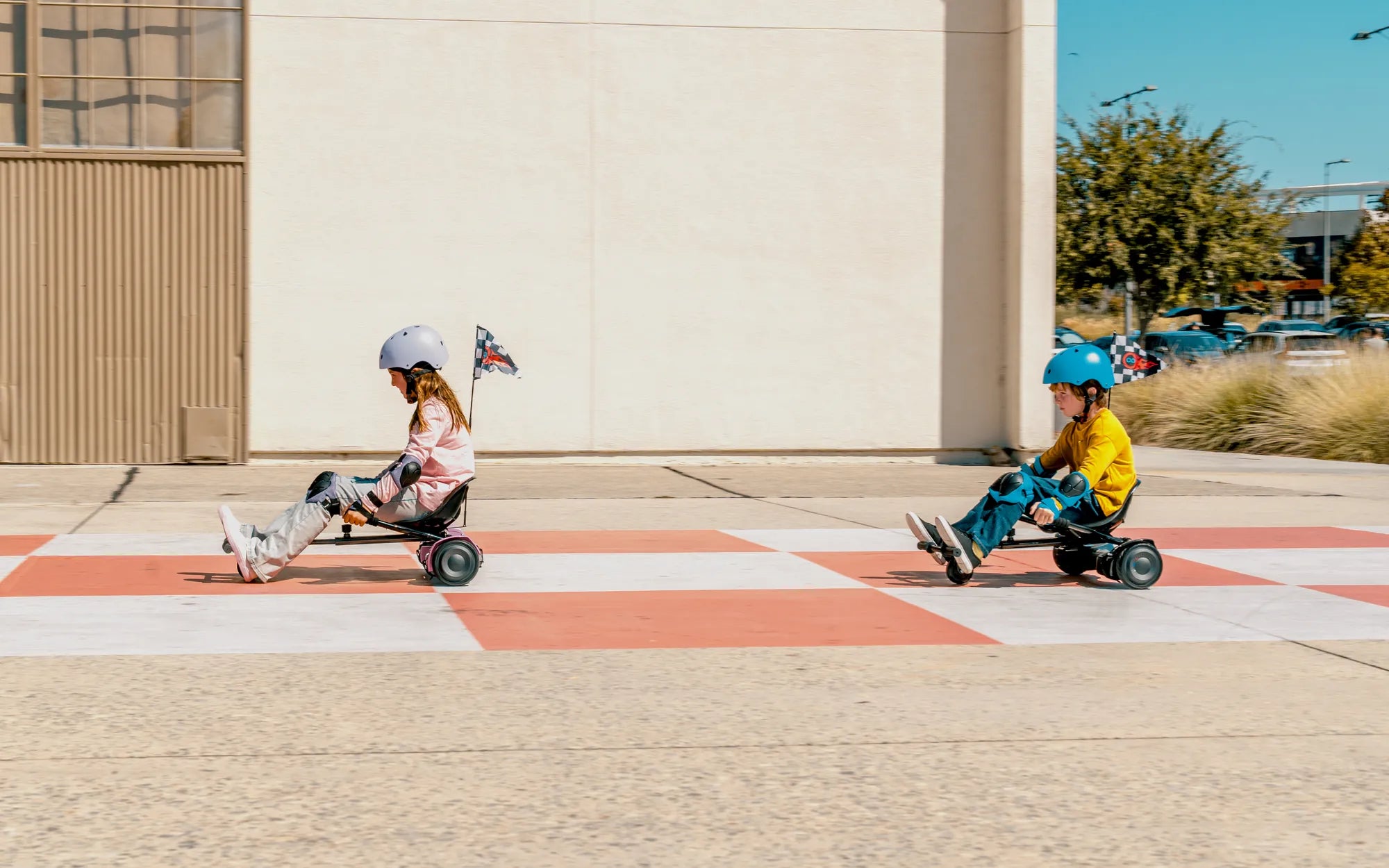
Ever wondered how electric hoverboards defy gravity and glide smoothly across the pavement? These futuristic devices have taken the world by storm, offering a fun and efficient way to get around. But beneath their sleek exteriors lies a complex system of sensors, motors, and cutting-edge engineering. Let's dive into the science behind these modern marvels.
The Basics of Electric Hoverboards
Electric hoverboards, also known as self-balancing scooters, are two-wheeled personal transportation devices that rely on gyroscopic technology to stay upright. Unlike traditional scooters or skateboards, hoverboards don't require manual pushing or pedaling. Instead, they use a combination of sensors and motors to detect the rider's movements and adjust accordingly.
Key Components of an Electric Hoverboard
Several critical components work together to make hoverboards function seamlessly:
- Gyroscopes and Accelerometers: These sensors detect the tilt and movement of the board, sending signals to the control system to maintain balance.
- Electric Motors: Each wheel is powered by its own motor, allowing for precise control and maneuverability.
- Battery Pack: Typically lithium-ion, the battery provides the necessary power to keep the motors running.
- Control Board: The brain of the hoverboard, it processes sensor data and adjusts the motors to keep the rider balanced.
- Pressure Pads: Located on the foot platforms, these detect the rider's weight distribution and directional input.
How Self-Balancing Technology Works
The magic of hoverboards lies in their ability to self-balance. When you step onto the board, the gyroscopes and accelerometers instantly detect your center of gravity. If you lean forward, the sensors send a signal to the motors to accelerate the wheels, keeping you upright. Leaning backward triggers the opposite response, slowing the wheels or moving them in reverse. This continuous adjustment creates the illusion of effortless gliding.
Power and Propulsion
Electric hoverboards are powered by rechargeable batteries, usually lasting between 1-2 hours on a full charge. The motors, often brushless for efficiency, provide enough torque to handle inclines and varying terrain. Speed is controlled by the rider's lean, with most models capping at around 10-15 mph for safety.
Safety Features and Innovations
Modern hoverboards come equipped with several safety features, including:
- Overcharge Protection: Prevents battery damage by cutting off power once fully charged.
- Speed Limiters: Ensures the hoverboard doesn't exceed safe speeds.
- LED Lights: Improve visibility during night rides.
- Non-Slip Footpads: Provide better grip and control.
The Future of Electric Hoverboards
As technology advances, hoverboards are becoming smarter and more versatile. Future iterations may include AI-assisted balancing, longer battery life, and even off-road capabilities. The integration of smart features like Bluetooth connectivity and app-based controls is also on the horizon.
Ready to experience the thrill of gliding on an electric hoverboard? Whether for commuting or leisure, these innovative devices offer a glimpse into the future of personal transportation. Strap on your helmet and get ready to ride the wave of technology!
Hoverboards Catching Fire: The Hidden Dangers and How to Stay Safe
Good Places to Buy Hoverboards: A Comprehensive Guide for Savvy Shoppers