

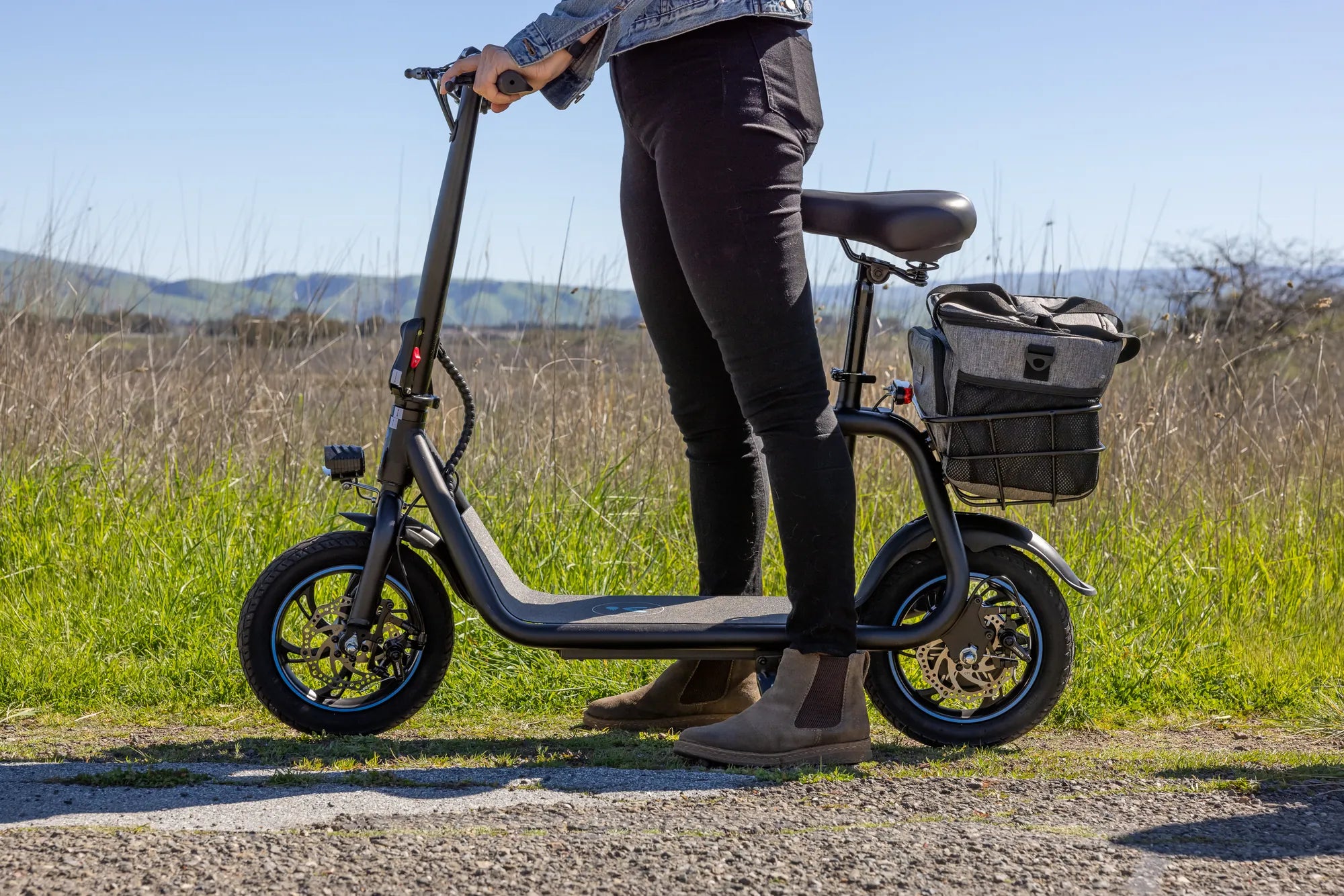
Imagine gliding through the city on your electric scooter, never worrying about running out of battery. Sounds like a dream, right? With advancements in self-charging technology, this dream is closer to reality than ever. Electric scooters are no longer just convenient; they’re becoming smarter and more sustainable. But how do electric scooters charge themselves? Let’s unravel the science behind this fascinating innovation.
Regenerative Braking: Turning Motion into Energy
One of the most common ways electric scooters charge themselves is through regenerative braking. When you hit the brakes, the kinetic energy from the scooter’s motion is converted back into electrical energy and stored in the battery. This process not only extends the scooter’s range but also reduces wear on the braking system. It’s a win-win for efficiency and longevity.
Solar Power: Harnessing the Sun’s Energy
Some electric scooters are equipped with solar panels to supplement their battery life. These panels absorb sunlight and convert it into electricity, which is then used to charge the battery. While solar charging alone may not fully power a scooter, it can significantly reduce the need for plug-in charging, especially in sunny climates.
Kinetic Energy Recovery Systems (KERS)
Inspired by Formula 1 technology, Kinetic Energy Recovery Systems (KERS) capture energy during deceleration and store it for later use. This system is particularly effective in stop-and-go urban environments, where frequent braking provides ample opportunities for energy recovery.
Wireless Charging: The Future of Convenience
Wireless charging technology is emerging as a game-changer for electric scooters. By simply parking over a charging pad, the scooter can recharge without any physical connections. While still in its early stages, this technology promises to make charging effortless and seamless.
Pedal-Assist Charging: Human Power Meets Electric
Some hybrid electric scooters allow riders to charge the battery by pedaling. This method combines human effort with electric power, offering a sustainable way to keep the scooter moving even when the battery is low.
The Role of Battery Management Systems (BMS)
A robust Battery Management System (BMS) is crucial for optimizing self-charging. The BMS monitors the battery’s health, ensures efficient energy distribution, and prevents overcharging or overheating. This smart technology maximizes the benefits of self-charging methods.
Challenges and Limitations
While self-charging technologies are impressive, they’re not without challenges. Factors like weather conditions, terrain, and battery capacity can impact their effectiveness. However, ongoing research and development are steadily overcoming these hurdles.
The Environmental Impact of Self-Charging Scooters
Self-charging electric scooters are a step toward greener urban transportation. By reducing reliance on grid electricity and minimizing energy waste, these scooters contribute to lower carbon emissions and a cleaner environment.
From regenerative braking to solar power, the ways electric scooters charge themselves are as innovative as they are practical. As technology continues to evolve, the dream of a fully self-sustaining scooter is becoming more attainable. Ready to embrace the future of urban mobility? Your next ride might just charge itself!
Most Portable E Scooter: The Ultimate Guide to Compact and Lightweight Rides
Best Selling E Scooter UK: Top Picks for 2024