



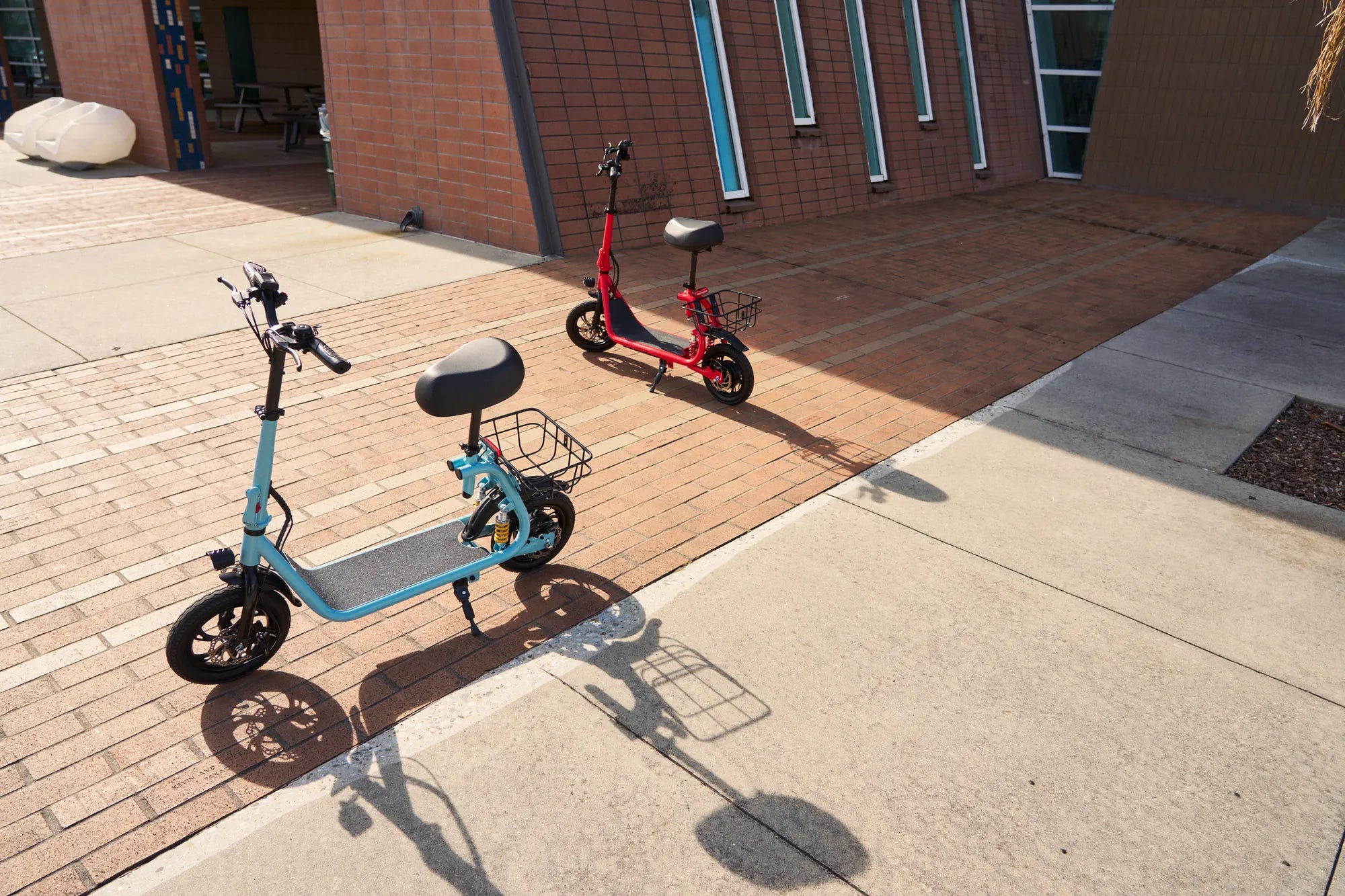
Electric scooters are revolutionizing the way we commute, offering a convenient and eco-friendly alternative to traditional transportation. But have you ever wondered how these sleek machines recharge? Whether you're a daily rider or considering buying one, understanding the charging process is essential for maximizing your scooter's lifespan and performance. Let's dive into the world of e-scooter charging and uncover the science behind it.
Understanding Electric Scooter Batteries
Before exploring how electric scooters recharge, it's important to understand the heart of the system: the battery. Most modern electric scooters use lithium-ion batteries due to their high energy density, lightweight properties, and long lifespan. These batteries store electrical energy that powers the motor, lights, and other electronic components.
Battery Capacity and Voltage
The charging process depends largely on the battery's capacity (measured in watt-hours) and voltage. Higher-capacity batteries take longer to charge but provide greater range. Typical e-scooter batteries range from 250Wh to over 1000Wh for high-performance models.
Standard Charging Methods
Most electric scooters recharge through one of these primary methods:
1. Direct Plug-in Charging
The most common method involves connecting the scooter to a standard wall outlet using a dedicated charger. The charger converts AC power from your home to DC power that the battery can store. Charging times vary from 3 to 8 hours depending on battery size.
2. Removable Battery Charging
Many scooters feature removable batteries that can be charged separately from the scooter. This allows users to charge multiple batteries simultaneously or replace a depleted battery with a charged one for extended range.
3. Fast Charging Technology
Some premium models support fast charging, which can reduce charging times by 30-50%. However, frequent use of fast charging may slightly reduce overall battery lifespan.
Alternative Charging Options
Beyond standard methods, several innovative charging solutions are emerging:
1. Solar Charging
Portable solar panels can charge e-scooters in outdoor settings, though this method is typically slower than traditional charging.
2. Regenerative Braking
Some scooters recover small amounts of energy during braking, converting kinetic energy back into stored electrical energy.
3. Public Charging Stations
Many cities are installing dedicated e-scooter charging stations in public areas, allowing riders to top up their batteries while parked.
Best Practices for Charging Electric Scooters
To maximize battery life and performance:
- Avoid letting the battery fully discharge before recharging
- Don't leave the scooter plugged in for extended periods after reaching full charge
- Store the scooter with at least 50% charge if not using for long periods
- Use only the manufacturer-recommended charger
- Avoid charging in extreme temperatures
The Future of E-Scooter Charging
Emerging technologies promise to revolutionize how electric scooters recharge. Wireless charging pads, ultra-fast charging systems, and even swappable battery networks are being developed to make e-scooter charging more convenient than ever.
As urban mobility continues to evolve, understanding how electric scooters recharge becomes increasingly important. With proper charging habits and awareness of new technologies, you can ensure your e-scooter remains reliable for years to come. The next time you plug in your scooter, you'll appreciate the sophisticated engineering that makes this convenient transportation possible.
12V E Scooter Charger: The Ultimate Guide to Safe and Efficient Charging
Electric Bicycle vs Electric Scooter Comparison: Which One is Right for You?