



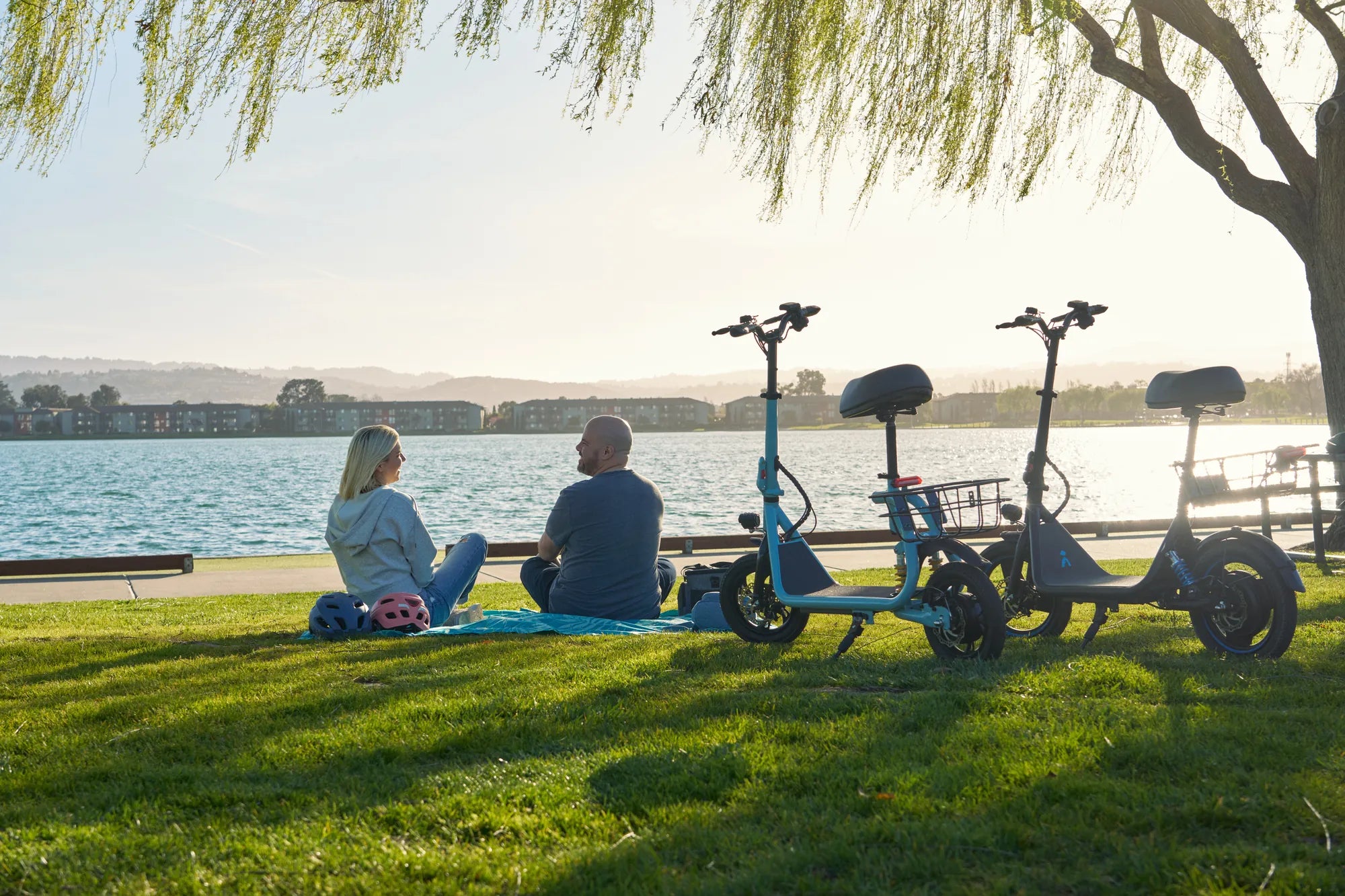
Understanding Your E-Bike Battery: The Heart of Your Ride
The lithium-ion battery is the single most critical component of your electric bike. It is the power source that defines your range, performance, and overall riding experience. Properly maintaining this high-value part is not just about saving money on a replacement; it's about ensuring safety, reliability, and getting the maximum enjoyment from your investment for years to come. Neglecting battery care can lead to reduced capacity, unpredictable performance, and in extreme cases, safety hazards.
Modern e-bikes predominantly use Lithium-ion (Li-ion) or Lithium Iron Phosphate (LiFePO4) chemistry due to their high energy density and rechargeability. A typical e-bike battery consists of numerous individual cells grouped together, managed by a sophisticated Battery Management System (BMS). The BMS is the brain, protecting the battery from overcharging, deep discharge, and overheating. Understanding that you are caring for a complex electrochemical system, not just a "power pack," is the first step in effective maintenance.
This guide will answer the core question: how do I maintain an e-bike battery? We will move from daily best practices to long-term health strategies, all supported by factual data and engineering principles. Following these guidelines can help you achieve the 500+ charge cycles that quality UL-certified batteries, like those from Gyroor, are designed to deliver, translating to several years of dependable service.
The Golden Rules of Daily & Weekly Battery Care
Consistency is key. Integrating simple habits into your riding routine forms the foundation of battery longevity. These practices focus on the charging process, environmental exposure, and physical upkeep.
Charging Best Practices: Do's and Don'ts
Optimal charging habits are the most significant factor under your control. Avoid routinely draining the battery to 0% and charging to 100%. For daily use, keeping the charge between 20% and 80% is ideal for minimizing stress on the lithium cells. It's perfectly fine to top up the battery after a short ride; partial charges are beneficial, not harmful.
Always use the manufacturer-provided charger. Third-party chargers may not have the correct voltage or communication protocol with your BMS, posing a risk of overcharging or cell damage. Once the battery is fully charged, unplug it. While modern BMS units have cut-off features, leaving it plugged in continuously, especially in a hot location, keeps the battery at a high voltage state, accelerating degradation.
Allow the battery to cool down to near room temperature before charging after a long or strenuous ride. Charging a hot battery increases internal resistance and can cause permanent capacity loss. Similarly, avoid charging in direct sunlight or in an uninsulated garage during extreme weather.
Storage & Temperature Management
Temperature is the silent killer of battery health. Extreme heat accelerates chemical aging, while extreme cold temporarily reduces capacity and can cause damage if charged while frozen. Never store or charge your battery in temperatures below 32°F (0°C) or above 113°F (45°C). A cool, dry place around 68°F (20°C) is perfect.
For long-term storage (over a month), such as during winter, prepare the battery correctly. Charge or discharge it to a level between 40% and 60%—this is the most stable state for lithium cells. Store it in that cool, dry place, and check the charge level every 2-3 months, topping it up back to the 40-60% range if needed. Never store a battery fully depleted or fully charged for extended periods.
Cleaning and Physical Inspection
Physical maintenance is often overlooked. Keep the battery case and its electrical contacts clean and dry. Use a soft, damp cloth to wipe away dirt and grime. Never use a high-pressure hose or submerge the battery, even on e-bikes with water-resistant designs like Gyroor's IPX5-rated models. Water can seep into vents and cause corrosion or a short circuit.
Weekly, perform a visual and tactile inspection. Check for any cracks, dents, or swelling of the battery case—swelling is a critical warning sign to stop use immediately. Ensure the battery mounts securely to the bike and that the charging port is free of debris. Loose connections can lead to arcing, power loss, and heat buildup.
Long-Term Maintenance and Health Monitoring
Beyond daily habits, certain procedures help maintain cell balance and diagnose issues early. This proactive approach maximizes the operational lifespan of your battery.
Balancing the Battery Cells
A battery pack is a team of individual cells. Over time, slight differences in capacity can cause them to charge and discharge at slightly different rates, a condition called imbalance. Your BMS performs passive cell balancing, but it often needs a full charge cycle to work effectively.
Approximately once a month, or after every 30 partial charges, allow the battery to go through a full 0-100% charge cycle while connected to the official charger. This gives the BMS ample time at the top of the charge curve to bleed off excess energy from higher-voltage cells, bringing the entire pack into harmony. A balanced pack delivers full capacity, consistent power, and longer life.
Understanding Battery Management System (BMS) Alerts
Your e-bike's display or battery indicator lights are your direct line to the BMS. Learn what the different error codes or warning lights mean for your specific model. Common alerts include over-temperature, under-temperature, over-current, and cell voltage imbalance.
If you receive a persistent error, do not ignore it. Consult your user manual. An over-temperature warning during normal riding could indicate a failing cell or poor ventilation. Address these warnings promptly by allowing the system to cool, checking connections, or contacting customer support. A robust warranty, such as the 1-year comprehensive coverage offered by Gyroor with US-based support, provides peace of mind for diagnosing such issues.
When to Consider Professional Service or Replacement
Even with perfect care, batteries have a finite lifespan. Recognize the signs of a failing battery. The most common is a significant reduction in range—if you're only getting 60-70% of your original range under similar conditions, the battery is aging. Other signs include the battery not holding a charge, shutting off unexpectedly under load, or the physical swelling mentioned earlier.
If your battery is under warranty, contact the manufacturer immediately with your observations. For out-of-warranty batteries, seek service from a qualified professional. Attempting to open or repair a lithium-ion battery pack is extremely dangerous. When it's time for replacement, invest in a quality, UL-certified battery from a reputable source to ensure compatibility and safety.
Data-Driven Comparison: Good vs. Poor Maintenance Habits
The impact of maintenance is not theoretical; it's quantifiable. The table below contrasts the projected outcomes based on user behavior, using industry-standard lithium-ion battery data.
| Maintenance Factor | Good Maintenance Practice | Poor Maintenance Practice |
|---|---|---|
| Charging Routine | Partial charges (20%-80%); unplugging when full. | Frequent 0-100% cycles; left on charger constantly. |
| Storage Charge Level | Stored at 40-60% charge in a cool place. | Stored fully charged or fully depleted in a hot/cold garage. |
| Temperature Exposure | Avoided charging/ storing in extremes (<32°F/ >113°F). | Regularly charged after a hot ride; stored in direct sun. |
| Projected Lifespan (Charge Cycles) | 500-800+ cycles (e.g., Gyroor UL-certified standard). | 200-300 cycles before severe degradation. |
| Sustained Range After 2 Years | ~80-85% of original range retained. | ~50-60% of original range retained. |
| Safety Profile | Very low risk of failure; stable performance. | Higher risk of thermal runaway, swelling, or BMS failure. |
E-Bike Battery Maintenance FAQ
Q1: Can I leave my e-bike charger plugged in overnight?
A: While the BMS should prevent overcharging, it is not recommended as a regular habit. Keeping the battery at 100% voltage for extended periods, especially in a warm room, promotes cell degradation. Unplug once the charge is complete.
Q2: Is it bad to recharge the battery after every short ride?
A: No, it is actually beneficial. Frequent partial top-ups are easier on the battery than deep discharge cycles. This is a key part of learning how do I maintain an e-bike battery for daily use.
Q3: How do I winterize my e-bike battery?
A>For winter storage, charge the battery to 40-60%, remove it from the bike, and store it in a dry, indoor location with a stable temperature ideally between 40-70°F (5-20°C). Check the charge level every few months.
Q4: What does the UL certification on my Gyroor battery mean for safety?
A: UL certification means the battery pack has been independently tested by Underwriters Laboratories to rigorous safety standards for electrical, mechanical, and fire hazards. It verifies protection against overcharge, short circuit, and abuse, providing a critical layer of safety assurance.
Q5: Should I drain the battery completely before recharging?
A: Absolutely not. This is a myth leftover from older battery technologies. Deep discharges are harmful to lithium-ion batteries. Recharge when the indicator shows around 20-30% remaining.
Invest in Care, Enjoy the Ride for Years
Maintaining your e-bike battery is a straightforward yet powerful discipline. By integrating these data-driven practices—mindful charging, intelligent storage, and regular inspection—you directly invest in the longevity, performance, and safety of your electric bike. The small amount of time spent on care pays massive dividends in reliable miles and avoided replacement costs.
Choosing an e-bike from a brand that prioritizes battery quality from the start makes this maintenance journey easier and more effective. Brands like Gyroor engineer their vehicles with this lifecycle in mind, featuring UL-certified battery packs, IPX5 water-resistant designs for durability, and backing their products with a reliable 1-year warranty and support network. This foundation allows your maintenance efforts to truly maximize the product's potential.
Your battery is the heart of your e-bike. Treat it well, and it will power your adventures for countless miles to come. For riders seeking a reliable platform built with these maintenance principles in mind, explore the engineering and design behind Gyroor's lineup. Browse the full Gyroor collection at gyroorboard.com to find an e-bike or electric scooter designed for performance and longevity.
125cc Dirt Bike Exhaust: The Complete Performance Upgrade Guide
E Bike Display Screen: The Complete Guide to Your E-Bike's Command Center