

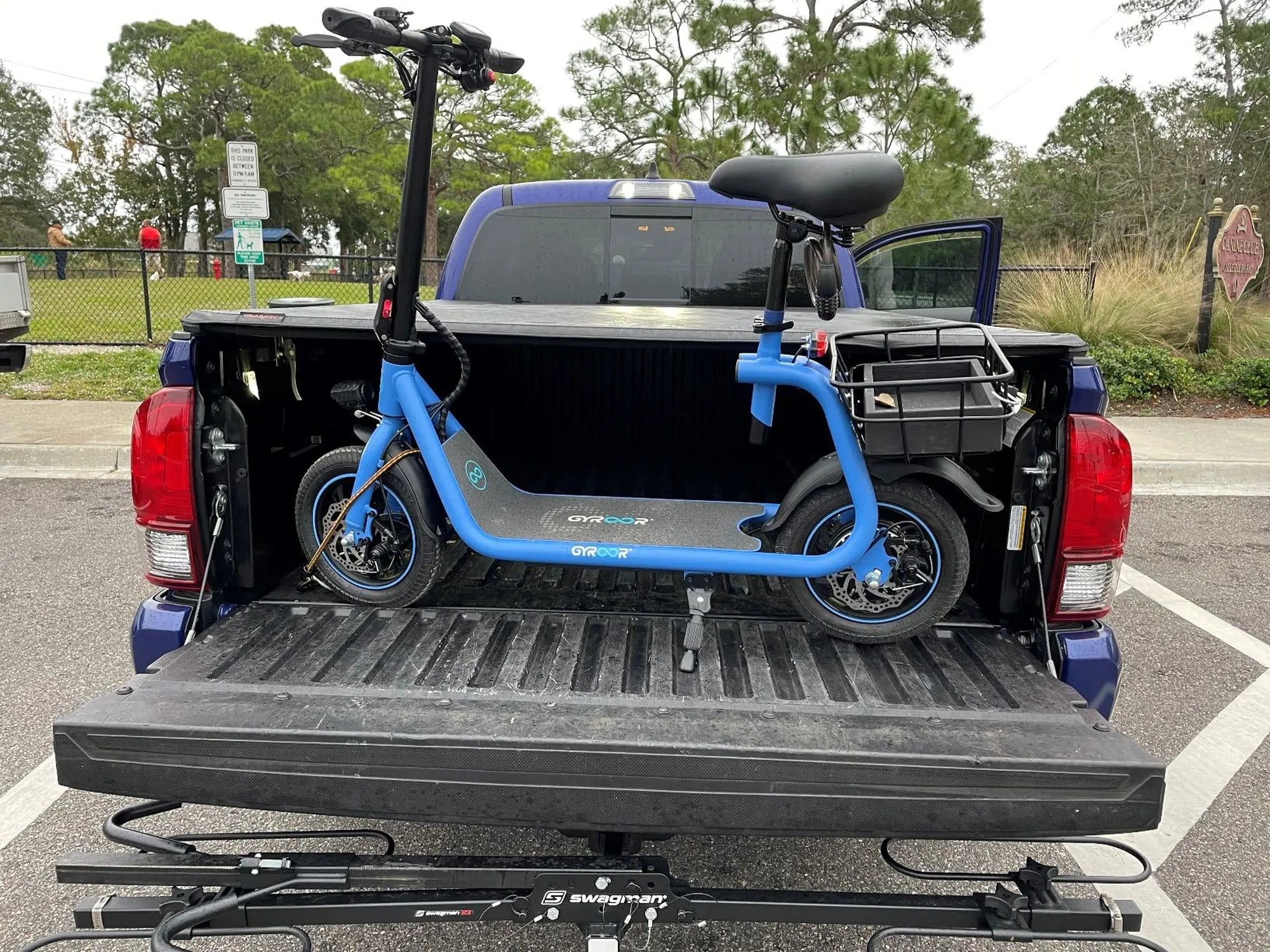
Ever wondered how an e-bike effortlessly glides up hills or maintains speed without breaking a sweat? The magic lies in its clever engineering, blending human power with electric assistance. Let’s dive into the fascinating mechanics behind these modern marvels.
The Core Components of an E-Bike
An e-bike consists of three primary components: the motor, the battery, and the sensor system. Together, they create a seamless riding experience that feels natural yet powerful.
The Motor: The Heart of the E-Bike
The motor is what sets an e-bike apart from a traditional bicycle. It provides the extra push needed to tackle inclines or cruise at higher speeds with minimal effort. Motors are typically located in one of three places:
- Hub Motor: Integrated into the front or rear wheel, offering a quiet and smooth ride.
- Mid-Drive Motor: Positioned near the pedals, providing better balance and efficiency.
- All-in-One Wheel Motor: A compact design that combines the motor and wheel for easy installation.
The Battery: Powering Your Ride
The battery is the energy source that fuels the motor. Most e-bikes use lithium-ion batteries due to their lightweight and long lifespan. Key factors to consider include:
- Capacity: Measured in watt-hours (Wh), determining how far you can ride on a single charge.
- Charging Time: Typically 3-6 hours for a full charge, depending on the model.
- Placement: Often mounted on the frame for easy access and weight distribution.
The Sensor System: Smart Assistance
Sensors detect your pedaling motion and adjust the motor’s output accordingly. There are two main types:
- Pedal Assist Sensor (PAS): Activates the motor when you pedal, offering varying levels of assistance.
- Torque Sensor: Measures how hard you pedal and provides proportional power for a more natural feel.
How Pedal-Assist Works
Pedal-assist is the most common feature in e-bikes, enhancing your pedaling effort rather than replacing it. Here’s how it works:
- You start pedaling, and the sensor detects your movement.
- The motor engages, providing a boost based on your selected assistance level.
- The bike maintains speed with minimal effort, making long rides or steep climbs easier.
Throttle Mode: Instant Power on Demand
Some e-bikes come with a throttle, allowing you to engage the motor without pedaling. This feature is perfect for quick acceleration or when you need a break from pedaling.
Regenerative Braking: A Bonus Feature
Advanced e-bikes may include regenerative braking, which converts kinetic energy back into battery power during deceleration. While not all models have this, it’s a great way to extend your range.
Maintenance and Care for Your E-Bike
Keeping your e-bike in top shape ensures longevity and peak performance. Follow these tips:
- Regularly check tire pressure and brake function.
- Keep the battery charged and store it in a cool, dry place.
- Clean the bike after rides to prevent dirt buildup.
E-bikes are revolutionizing the way we commute and explore, offering a perfect blend of convenience and sustainability. Whether you’re a daily commuter or a weekend adventurer, understanding how an e-bike works empowers you to ride smarter and farther. Ready to experience the future of cycling?
Best Fat Tire E Bike: The Ultimate Guide to Choosing the Perfect Ride
3 Wheel Ebike for Adults: The Ultimate Guide to Stability and Comfort