

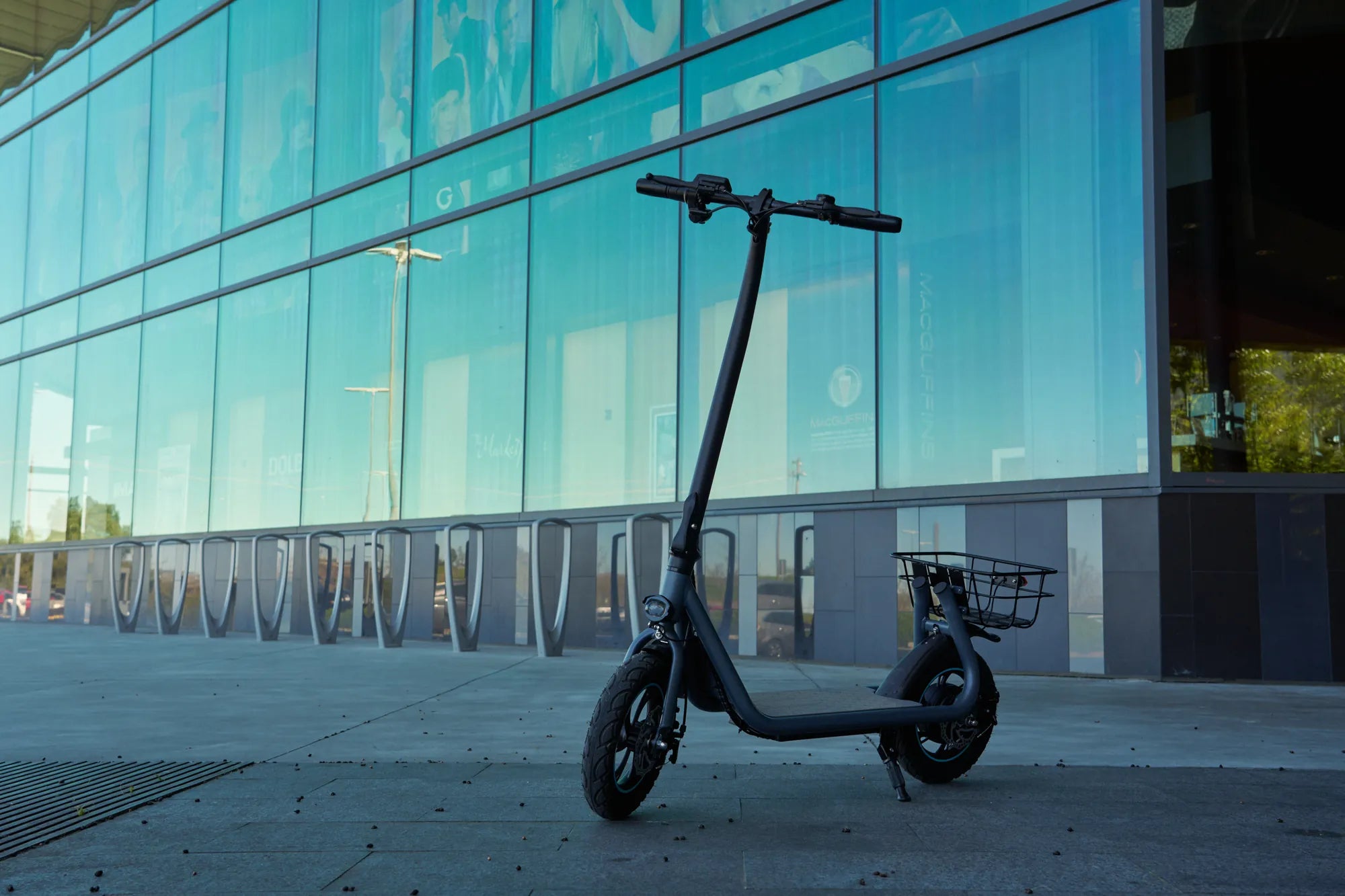
Electric scooters have surged in popularity as a convenient and eco-friendly mode of urban transportation. But what many riders overlook is the pivotal role battery size plays in shaping their experience. From how far you can travel on a single charge to how quickly you accelerate, the battery is the heart of your scooter. Let’s dive into how battery size impacts electric scooters and why it should be a top consideration before making a purchase.
The Basics of Electric Scooter Batteries
Battery size, typically measured in watt-hours (Wh) or ampere-hours (Ah), determines how much energy an electric scooter can store. A larger battery means more stored energy, which directly translates to longer range and, in some cases, better performance. However, bigger batteries also add weight and cost, so finding the right balance is key.
How Battery Size Affects Range
Range is one of the most significant factors influenced by battery size. A scooter with a 250Wh battery might offer 15-20 miles per charge, while a 500Wh model could double that distance. But real-world range isn’t just about capacity—it’s also affected by rider weight, terrain, speed, and weather conditions. A larger battery provides a buffer against these variables, ensuring you won’t be left stranded mid-commute.
Performance and Power Delivery
Battery size doesn’t just dictate range; it also impacts acceleration and top speed. Scooters with higher-capacity batteries often feature more powerful motors, enabling quicker takeoffs and smoother climbs up hills. If you frequently navigate steep inclines or need brisk acceleration in traffic, a bigger battery will deliver the necessary power without straining the system.
Charging Time and Convenience
Larger batteries take longer to charge. A 250Wh battery might recharge in 3-4 hours, while a 500Wh unit could require 6-8 hours. For daily commuters, this means planning charging sessions carefully. Some scooters mitigate this with fast-charging technology, but even then, a bigger battery will still need more time to reach full capacity compared to a smaller one.
Weight and Portability
Battery size directly affects the scooter’s weight. A compact 250Wh battery keeps the scooter lightweight and easy to carry, ideal for riders who need to lift it onto public transport or upstairs. On the other hand, a 750Wh battery can add significant heft, making the scooter less portable but more capable for long-distance rides.
Longevity and Battery Health
Battery lifespan is another critical consideration. Larger batteries often endure fewer charge cycles relative to their capacity, meaning they degrade slower over time. If you plan to use your scooter for years, investing in a bigger battery can pay off by maintaining usable range long after a smaller battery has diminished.
Cost vs. Value
Bigger batteries come at a higher upfront cost, but they can offer better long-term value. If you rely on your scooter daily, the extra range and durability may justify the price. Conversely, casual riders might find a smaller, more affordable battery sufficient for their needs.
Environmental Impact
Battery production has an environmental footprint, and larger batteries require more resources. However, a long-lasting battery reduces the frequency of replacements, potentially offsetting its initial impact. Proper disposal and recycling are also crucial to minimizing harm.
Choosing the right battery size for your electric scooter isn’t just about maximizing range—it’s about balancing performance, convenience, and cost to match your lifestyle. Whether you’re a daily commuter or a weekend explorer, understanding how battery size influences your ride will help you make an informed decision. Ready to hit the road? Your perfect scooter is out there, waiting for the right power behind it.
Best Looking Electric Bike: A Blend of Style and Performance
Where to Find Electric Scooters in Minneapolis: A Complete Guide