



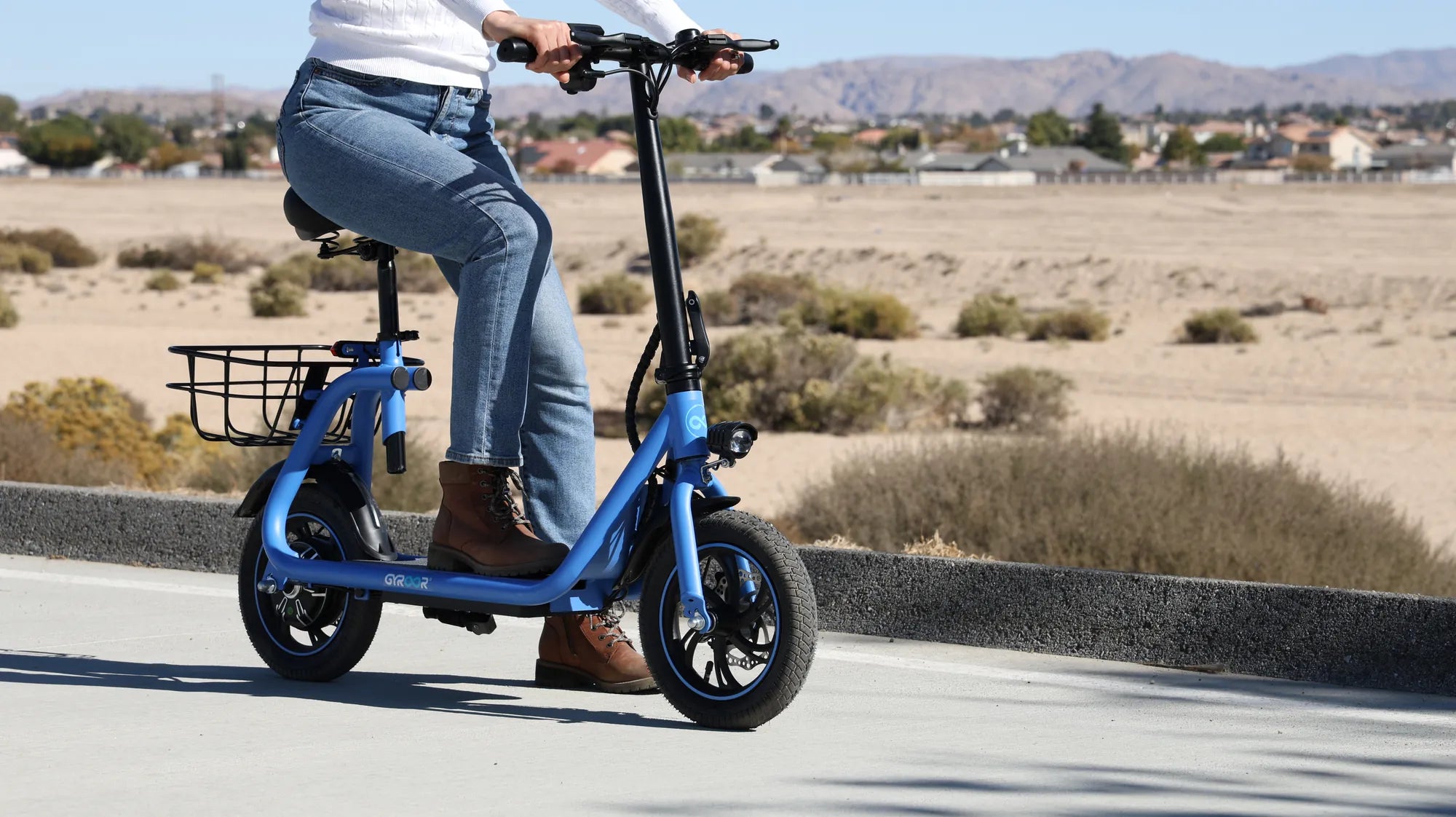
Electric bikes, or e-bikes, have taken the world by storm, offering an eco-friendly and efficient way to commute, exercise, and explore. But how exactly do these innovative machines work? Whether you're a curious rider or a potential buyer, understanding the mechanics behind e-bikes can help you make the most of this cutting-edge technology. Let's dive into the fascinating world of electric bikes and uncover the science that powers them.
The Core Components of an Electric Bike
At its heart, an electric bike is a fusion of traditional cycling and advanced electrical engineering. The key components that make an e-bike function include:
- Electric Motor: The powerhouse of the e-bike, providing pedal assistance or full propulsion.
- Battery Pack: Stores the energy needed to power the motor.
- Controller: Acts as the brain, regulating power flow between the battery and motor.
- Sensor System: Detects pedaling motion, speed, and torque to determine assistance levels.
- Display/Interface: Allows riders to monitor and adjust settings.
How the Electric Motor Powers Your Ride
The electric motor is what sets e-bikes apart from traditional bicycles. Most modern e-bikes use one of three motor types:
Hub Motors
These motors are integrated into either the front or rear wheel hub. When activated, they rotate the wheel directly, providing propulsion without needing to engage the bike's chain or gears. Hub motors are known for their simplicity and reliability.
Mid-Drive Motors
Positioned at the bike's crank and bottom bracket, mid-drive motors work with the bicycle's gears. This design offers better weight distribution and more efficient power transfer, especially on hills and varied terrain.
Friction Drive Motors
Less common today, these motors use a roller that contacts the tire directly to provide propulsion. While simple, they tend to be less efficient than other motor types.
The Battery: Heart of the Electric Bike
Modern e-bikes primarily use lithium-ion batteries due to their high energy density, long lifespan, and relatively lightweight. The battery's capacity, measured in watt-hours (Wh), determines how far you can ride on a single charge. Factors affecting range include:
- Rider weight and pedaling effort
- Terrain and elevation changes
- Assistance level selected
- Temperature and weather conditions
Smart Control Systems
The controller serves as the e-bike's central nervous system, managing power distribution based on input from:
Pedal Assist Sensors
These detect when and how hard you're pedaling, triggering motor assistance accordingly. There are two main types:
- Cadence Sensors: Measure if the pedals are moving and at what speed
- Torque Sensors: Measure how much force you're applying to the pedals
Throttle Systems
Some e-bikes feature throttle controls that allow motor activation without pedaling, similar to motorcycles. These can be twist-grip or thumb-operated designs.
Energy Regeneration: Some E-Bikes Give Back
Advanced e-bike systems may include regenerative braking, which converts kinetic energy back into electrical energy during braking or downhill coasting. While this can extend range slightly, its primary benefit is in reducing brake wear.
Maintenance and Care for Optimal Performance
While e-bikes require many of the same maintenance procedures as regular bikes (chain lubrication, tire pressure checks, etc.), they have some unique needs:
- Regular battery charging (but avoid overcharging)
- Periodic checks of electrical connections
- Motor and controller inspections
- Software/firmware updates when available
As e-bike technology continues to evolve, we're seeing lighter, more powerful, and longer-range models entering the market. Whether you're commuting through city streets or exploring mountain trails, understanding how your electric bike works helps you ride smarter, farther, and with greater confidence. The future of personal transportation is here, and it's electrifying!
Indoor Mobility Scooter UK: The Ultimate Guide to Choosing the Right One
Top 3 Best Electric Scooter Picks for 2024: Speed, Range, and Affordability