



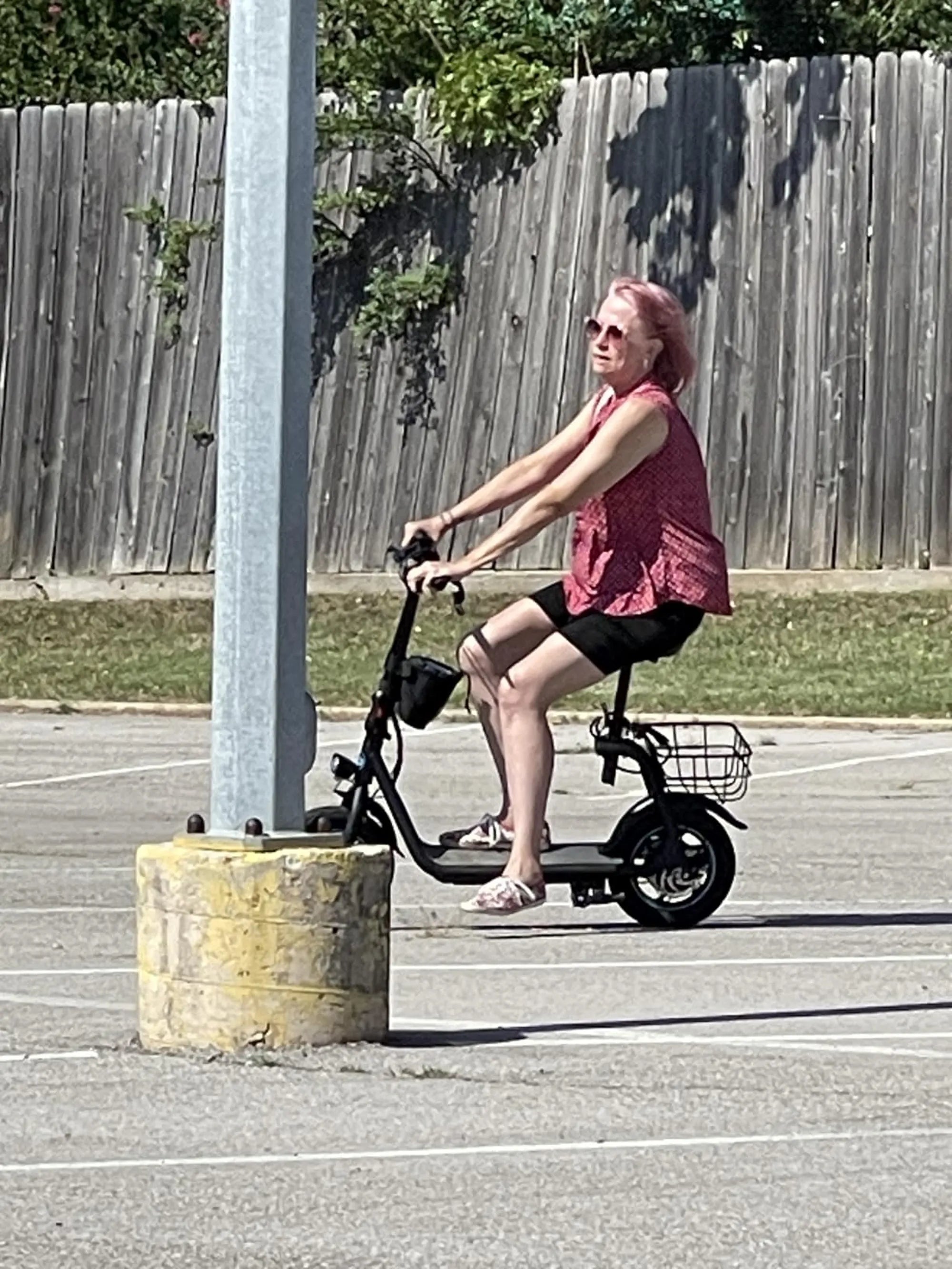
Electric scooters are not a one-price-fits-all product; their cost spans from a few hundred to several thousand dollars. Understanding this price spectrum is crucial for making an informed purchase that balances your budget with your performance and safety needs. This comprehensive guide will dissect exactly what drives electric scooter costs, analyze the true long-term ownership expenses, and provide a clear framework for finding the best value for your specific use case. We'll move beyond the sticker price to explore the investment in quality, safety, and reliability that defines a worthwhile purchase.
How Expensive Are Electric Scooters? Understanding the Price Spectrum
The question of how expensive electric scooters are has a layered answer. Prices vary dramatically because scooters are engineered for vastly different purposes, from last-mile commuting to high-speed recreation. A scooter's cost is directly tied to its core components: motor power, battery capacity, build materials, and safety certifications.
You can find basic models for under $500, but these often compromise on range, durability, and critical safety features. The mid-range segment, typically $600 to $1,200, is where most daily commuters find the optimal blend of performance, reliability, and value. Premium models exceed $1,200, offering exceptional speed, range, and advanced technology for enthusiasts.
This guide will navigate these tiers, explaining what you get (and what you risk missing) at each price point. By the end, you'll be equipped to evaluate not just the initial cost, but the total cost of ownership, ensuring your investment delivers miles of safe, reliable service. Let's begin by breaking down the definitive market segments.
Breaking Down the Electric Scooter Price Tiers
The electric scooter market is broadly segmented into three distinct tiers: Budget, Commuter/Mid-Range, and Performance/Premium. Each tier serves a specific rider profile with corresponding expectations for build quality, performance, and longevity. Recognizing these categories is the first step in aligning your budget with your riding goals.
Choosing the wrong tier can lead to frustration, from a scooter that fails to complete your commute to overpaying for capabilities you'll never use. The following breakdown provides a clear roadmap, detailing typical price ranges, target users, and the key specifications that define each category. This foundational knowledge is essential for making a cost-effective decision.
Budget Scooters: The $300 to $600 Range
Budget scooters offer the lowest barrier to entry for electric mobility. In this price range, you can expect basic functionality suitable for short, infrequent trips on very smooth terrain. Typical specifications include a single 250W-350W motor, a battery providing 10-15 miles of range under ideal conditions, and a top speed of 15-18 mph.
Build quality in this tier often involves heavier steel frames, basic mechanical brakes, and minimal or no suspension. Many models use solid or honeycomb tires to avoid flats but at the expense of ride comfort. It's critical to note that safety certifications for batteries and electronics are less common here, posing a potential risk.
These scooters can be a viable option for riders needing a simple solution for very short distances, like a campus or a last-half-mile from a train station. However, for daily commuting or longer rides, the limitations in comfort, safety, and durability become significant drawbacks. The low upfront cost may be offset by a shorter lifespan and higher long-term replacement risk.
Commuter & Mid-Range Scooters: The $600 to $1,200 Sweet Spot
This tier represents the optimal value and performance balance for the majority of urban commuters and daily riders. Here, the question of how expensive electric scooters are shifts from mere affordability to value-for-money. Scooters in this range deliver substantial improvements in nearly every category compared to budget options.
You can expect more powerful motors (500W-800W), enabling better acceleration and hill-climbing. Batteries are larger and of higher quality, offering real-world ranges of 18-30 miles per charge. Build quality improves with lighter, stronger aluminum alloy frames, better suspension systems (often front and/or rear), and more responsive braking, such as disc or electronic regenerative brakes.
This is also the tier where established brands like Gyroor compete strongly, integrating critical safety and reliability features. For instance, Gyroor models in this segment include UL-certified battery packs for proven safety, IPX5 water-resistant ratings for all-weather confidence, and comprehensive 1-year warranties. This focus on certified components and rider support provides peace of mind that is often absent in cheaper models.
For the rider seeking a dependable, efficient, and safe daily commuter without venturing into premium pricing, the $600-$1,200 range is where the most practical and satisfying options reside. It's an investment in consistent performance and reduced long-term hassle.
High-Performance & Premium Scooters: The $1,200+ Arena
At the top of the market, price is driven by extreme performance, extended range, and premium materials. These scooters are engineered for enthusiasts, long-distance commuters, and those who prioritize speed and advanced technology. It's not uncommon for flagship models to cost $2,000 to $3,500 or more.
Key features include dual-motor setups (often totaling 2000W+) for explosive acceleration and superior traction, massive batteries enabling 40-70+ miles of range, and sophisticated dual or triple suspension systems for off-road or aggressive urban riding. Frames may incorporate aerospace-grade aluminum or carbon fiber to reduce weight while maximizing strength.
Additional premium features include full-color digital displays with smartphone integration, hydraulic or zoom brakes for maximum stopping power, and turn signals or advanced lighting systems. While offering thrilling performance, these scooters are heavier, less portable, and represent a significant financial investment best suited for dedicated riders with specific, high-demand use cases.
The Real Cost of Ownership: Beyond the Sticker Price
The initial purchase price is only part of the financial equation when answering how expensive electric scooters are. The true cost of ownership encompasses maintenance, potential repairs, safety-related risks, and the scooter's operational lifespan. A higher-quality, slightly more expensive scooter can often prove cheaper over three years than a budget model that requires frequent fixes or early replacement.
Factors like battery longevity, component durability, and warranty coverage dramatically impact long-term expenses. A scooter with a cheap, uncertified battery may need replacement within a year—a cost that could approach the scooter's original price. Conversely, a model with a high-cycle, certified battery and a robust warranty protects your investment.
Operational costs also include electricity for charging (minimal), accessories like a high-quality lock or helmet, and potential tire replacements. By evaluating these factors upfront, you can make a purchase that minimizes surprise costs and delivers reliable service for years, transforming the scooter from a disposable gadget into a dependable asset.
The Investment in Safety & Reliability
Safety features are non-negotiable cost drivers that directly impact long-term value and risk. The most critical component is the battery system. UL-certified batteries, like those used by Gyroor, undergo rigorous testing for stability, overheating protection, and longevity (often rated for 500+ charge cycles). An uncertified battery is a liability, posing fire risk and likely degrading quickly.
Water resistance is another key investment. An IPX5 rating means a scooter can withstand water jets from any direction, allowing you to ride in light rain or through puddles without immediate damage. Scooters without this protection can suffer catastrophic electrical failures from minimal water exposure, leading to costly repairs or total loss.
Finally, reliability is built through quality components: sealed bearings, rust-resistant fasteners, and durable wiring harnesses. These elements prevent routine wear from becoming a major breakdown. Paying more for these engineered safety and reliability features is an investment in preventing accidents, avoiding premature failure, and ensuring your scooter remains a safe, functional asset.
Warranty and Support Value
A strong warranty is a financial safety net that directly reduces your total cost of ownership. It translates the manufacturer's confidence in their product into tangible protection for you. A comprehensive 1-year warranty, such as the one offered by Gyroor, typically covers the motor, battery, controller, and frame against defects in materials and workmanship.
The value extends beyond the coverage document to the quality of customer support. Accessible, knowledgeable support teams can help troubleshoot minor issues, provide genuine replacement parts, and facilitate repairs under warranty. This contrasts sharply with no-name brands that may offer a theoretical warranty but provide no practical support channel, leaving you to pay for any repairs out-of-pocket.
When evaluating how expensive electric scooters are, factor in the warranty's length, breadth, and the brand's reputation for honoring it. This coverage can save you hundreds of dollars in potential repair costs, making a slightly higher upfront price from a reputable brand a financially prudent choice.
Key Features That Drive Electric Scooter Cost
To truly decode scooter pricing, you must understand how specific components and capabilities influence the final cost. This data-driven breakdown shows what you are actually paying for, helping you prioritize features that matter most to your riding style and avoid overpaying for unnecessary specs.
| Feature | Budget Impact | Typical Specs & Cost Correlation |
|---|---|---|
| Motor Power | High | Single 350W (+$0), Dual 1000W+ (+$400-$800) |
| Battery (Capacity/Range) | Very High | 10Ah/15 mi (+$0), 15Ah/25 mi (+$150-$300), 20Ah+/35 mi+ (+$400+) |
| Frame & Build | Medium-High | Steel (+$0), Aluminum Alloy (+$100-$200), Carbon Fiber (+$500+) |
| Suspension | Medium | None/Front only (+$0-$50), Dual Spring (+$100-$200), Hydraulic (+$300+) |
| Brakes | Medium | Mechanical/Foot (+$0), Disc (+$80-$150), Hydraulic Disc (+$200+) |
| Safety Certs (UL, IP) | Medium | Uncertified (+$0), IPX5 & UL-Certified Battery (+$100-$200) |
Motor Power & Performance: Single vs. Dual
Motor wattage is a primary determinant of a scooter's capability and price. A single 350W motor is sufficient for flat urban environments at moderate speeds. Stepping up to a 500W-800W single motor, common in the mid-range, provides noticeably better acceleration and the ability to tackle moderate hills (10-15% grades).
Dual-motor configurations represent a significant cost jump. By engaging two motors (e.g., 500W x2), a scooter delivers nearly double the torque, enabling rapid acceleration, confident hill climbing on steep inclines (20%+), and improved traction on loose or wet surfaces. This performance premium is essential for riders in hilly cities or those seeking a more powerful, responsive ride, but it consumes battery life more quickly and adds to the overall weight and complexity.
Battery Capacity & Real-World Range
The battery is often the single most expensive component. Capacity, measured in Watt-hours (Wh) or Amp-hours (Ah) at a given voltage, directly correlates with range. Manufacturer range claims are based on ideal conditions (light rider, flat ground, slow speed). A realistic rule of thumb is to expect 60-70% of the claimed maximum in real-world commuting.
A larger, higher-quality battery from a reputable cell manufacturer (like LG or Samsung) costs more but provides consistent performance, longer lifespan, and inherent safety. It also reduces "range anxiety" for longer commutes. When assessing how expensive electric scooters are, prioritize the battery's quality and real-world range over peak speed, as a dead battery renders any scooter useless.
Build Quality & Durability Features
Durability features determine how well a scooter withstands daily use and the elements, impacting both longevity and maintenance costs. The frame material is fundamental: aluminum alloy is lighter, more corrosion-resistant, and stronger than the heavier steel often used in budget models, but it is more expensive to manufacture properly.
Tire choice affects cost and maintenance. Pneumatic (air-filled) tires offer superior shock absorption and traction but risk flats. Solid or honeycomb tires eliminate flats but provide a harsher ride. Premium scooters may use tubeless pneumatic tires with sealant. Suspension systems (spring, hydraulic) add cost but dramatically improve comfort and control on rough surfaces, reducing stress on the frame and rider.
Finally, braking systems evolve from basic foot brakes or entry-level mechanical disc brakes to more responsive and powerful hydraulic disc brakes in premium models. Each step up in braking technology improves safety and control, especially at higher speeds or in wet conditions, and is reflected in the price.
Making the Smart Choice: Balancing Budget and Needs
Armed with knowledge of price tiers and cost drivers, the final step is a practical self-assessment. The goal is to match your primary use-case, physical environment, and personal requirements with an appropriate scooter, avoiding both under-spending on an inadequate model and over-spending on excessive features.
Start by defining your core needs: What is your typical round-trip commute distance? What is the hilliest grade you'll regularly encounter? Will you need to carry the scooter upstairs or onto public transit? Do you plan to ride in variable weather? Answering these questions creates a functional specification list that will guide your search and budget allocation effectively.
Prioritizing Your Must-Have Features
Create a checklist based on your self-assessment. For most commuters, the non-negotiable priorities should be:
1. Adequate Real-World Range: Choose a scooter whose realistic range exceeds your longest regular trip by at least 25%.
2. Sufficient Motor Power: Ensure the motor can handle your local terrain; opt for higher wattage or dual motors if hills are significant.
3. Safety Certifications: Prioritize models with UL-certified batteries and a meaningful water resistance rating (IPX4 minimum, IPX5 ideal).
4. Warranty & Support: A minimum 1-year warranty from a brand with established customer service is essential.
5. Portability Weight: If you need to lift it, verify the folded weight is manageable for you daily.
Features like ultra-high top speed, extreme off-road suspension, or carbon fiber construction are "nice-to-haves" for most and should only drive your budget if they align with a specific, high-performance use case.
Why Gyroor Offers Exceptional Value in the Mid-Range
For riders seeking a dependable commuter scooter, Gyroor exemplifies the value proposition of the $600-$1,200 tier. The brand integrates premium safety and reliability features—often found in more expensive models—into its core lineup, delivering a lower total cost of ownership.
Every Gyroor scooter is powered by a UL-certified battery pack, tested for 500+ charge cycles, eliminating the safety gamble of uncertified power cells. An IPX5 water-resistant rating provides all-weather capability, protecting the electrical system. This is backed by a robust 1-year comprehensive warranty and supported by a company trusted by over 100,000 riders across North America and Europe.
By offering these critical features at a mid-range price point, Gyroor allows commuters to invest in long-term safety and durability without stepping into the premium performance tier. This focus on certified quality and rider support makes it a standout choice for those who answer the question of how expensive electric scooters are by seeking the best long-term value, not just the lowest initial price.
Electric Scooter Pricing: Frequently Asked Questions (FAQ)
Q: Is a cheaper electric scooter worth it?
A: For very short, occasional use on perfect pavement, a budget scooter might suffice. For daily commuting or any regular use, investing in a mid-range scooter ($600-$1,200) with safety certifications and a warranty is far more cost-effective long-term. The higher initial cost buys durability, reliability, and peace of mind that cheap models lack.
Q: What's the average cost for a good commuter scooter?
A: Most reliable, feature-rich commuter scooters with adequate range (15-25 real-world miles), good build quality, and essential safety features fall in the $700 to $1,200 range. This is the "sweet spot" where you get a balanced performance for daily urban transportation.
Q: Are there any hidden costs with electric scooters?
A: Beyond the purchase price, consider potential costs for a quality helmet, a strong U-lock for security, replacement tires or tubes (for pneumatic models), a spare charger, and any out-of-warranty repairs. Choosing a scooter with a strong warranty and durable components like solid tires or high-quality pneumatics can minimize these hidden expenses.
Q: How long do electric scooter batteries typically last?
A> Battery lifespan is measured in charge cycles. A quality battery from a reputable brand can last 500+ full charge cycles before its capacity degrades to about 80% of its original state. For a commuter using the scooter daily, this translates to roughly 2-3 years of use. UL-certified batteries, like those from Gyroor, are engineered to meet these longevity standards safely.
Q: How does Gyroor's warranty protect my investment?
A: Gyroor's 1-year comprehensive warranty covers defects in materials and workmanship for the entire scooter, including the critical UL-certified battery and motor. This protection, backed by accessible customer support, safeguards you from unexpected repair bills during the first year, ensuring your investment is secure and operational.
Final Verdict: Investing in Your Ride
Determining how expensive electric scooters are requires looking beyond the initial price tag to the value delivered over time. Your electric scooter is an investment in personal mobility, and like any investment, prioritizing quality, safety, and support yields the best returns. The cheapest option often carries the highest long-term risk in terms of safety, reliability, and replacement cost.
For most riders, the commuter and mid-range segment ($600-$1,200) offers the ideal compromise, providing the necessary performance, certified safety features, and warranty coverage for dependable daily use. Brands that emphasize these fundamentals, such as Gyroor with its UL-certified batteries and IPX5 water resistance, deliver premium peace of mind without a premium price.
Evaluate your needs, prioritize safety certifications and battery quality, and choose a scooter backed by a strong warranty. This approach ensures your purchase provides efficient, safe, and enjoyable transportation for years to come, making it a truly smart financial and practical decision.
Ready to find a scooter that combines performance, safety, and exceptional value? Explore the full range of UL-certified, feature-packed models designed for real commuters. Browse the full Gyroor collection at gyroorboard.com.
Best Affordable Electric Scooters for Adults: Top Picks for Smart Spending
When Were Electric Scooters Made: A 130-Year Journey to Modern Mobility