



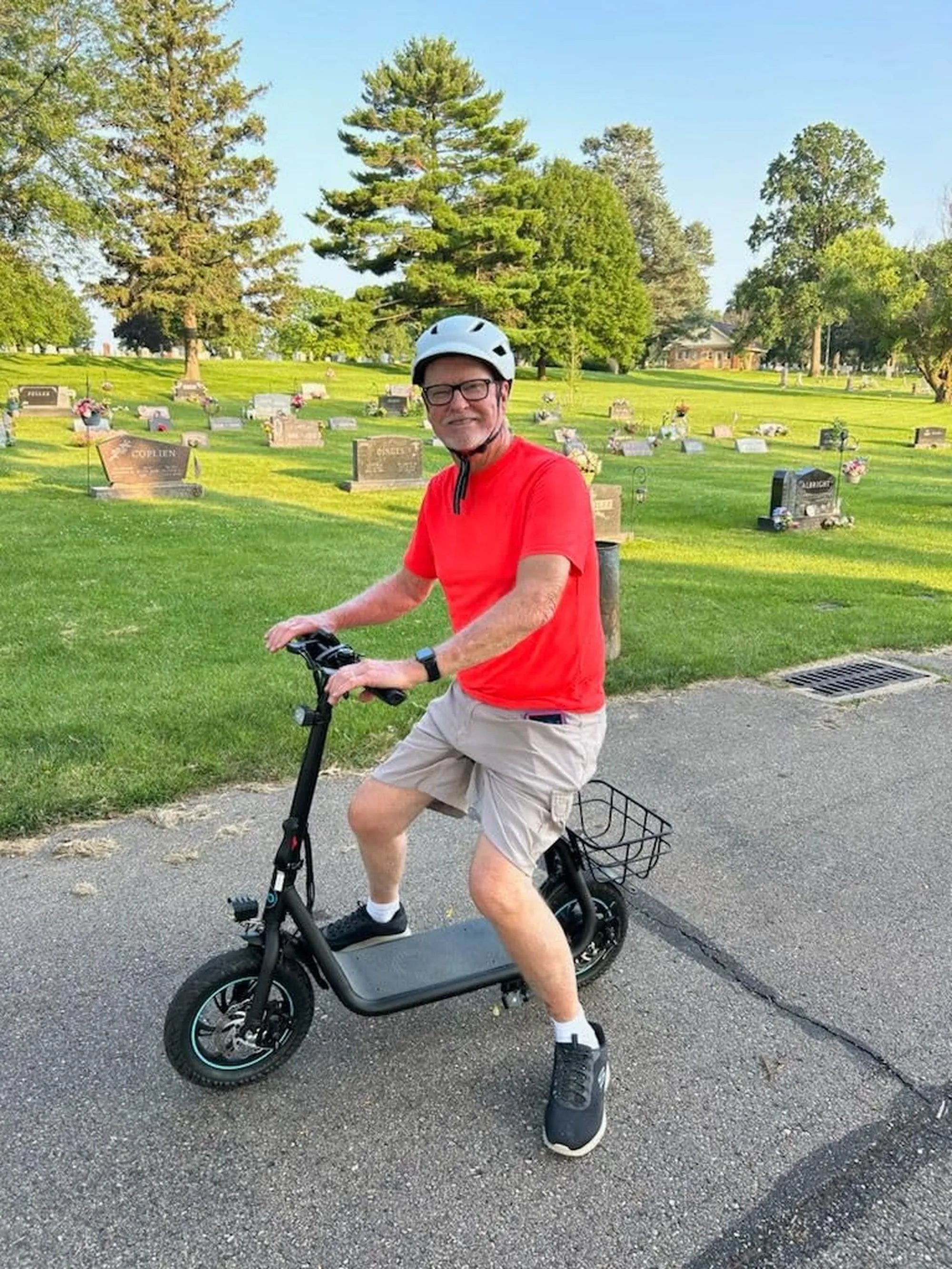
Introduction to 150cc Scooter Performance
If you're considering a 150cc scooter, the first question is often, how fast does a 150cc scooter go? The answer is more nuanced than a single number. A 150cc scooter represents a sweet spot in urban mobility, offering a significant power upgrade over 50cc and 125cc models while remaining manageable and fuel-efficient. This article provides a data-driven exploration of real-world performance, moving beyond manufacturer claims to examine the factors that determine your actual riding experience. You'll learn the typical speed range, what influences it, and how it compares to other options on the road.
Understanding the Factors That Influence Top Speed
Engine displacement, measured in cubic centimeters (cc), indicates the total volume of air and fuel an engine can ingest. While a 150cc engine provides a solid foundation, the actual top speed is a product of complex interactions between mechanics, weight, and environment. Understanding these variables is key to setting realistic expectations for performance.
Engine Design and Tuning
Modern 150cc scooters typically use fuel-injected, four-stroke engines for cleaner emissions and smoother power delivery. However, design choices like compression ratio, valve timing, and transmission tuning create variance. A scooter tuned for low-end torque will accelerate quickly from a stop but may have a lower top speed, while one tuned for peak horsepower might achieve a higher maximum at the expense of initial pickup. The continuously variable transmission (CVT) is also critical, as its pulley ratios determine how engine power is translated to wheel speed.
Scooter Weight and Rider Load
Total weight is a primary governor of acceleration and top speed. A typical 150cc scooter weighs between 250-350 pounds (113-159 kg). Add a 180-pound (82 kg) rider and any cargo, and the engine must work significantly harder. Heavier loads reduce the power-to-weight ratio, making it more difficult for the scooter to overcome aerodynamic drag at higher speeds, ultimately capping its maximum velocity.
Aerodynamics and Riding Conditions
A rider's posture and the scooter's fairing design dramatically affect wind resistance, the dominant force at speeds above 40 mph. Crouching behind the windscreen can add several miles per hour to your top speed. Furthermore, riding uphill, into a headwind, or on rough pavement consumes power that would otherwise contribute to speed. Proper tire inflation is essential, as under-inflated tires create excessive rolling resistance.
The Real-World Speed Range: What to Expect
So, what is the definitive answer? For a stock, modern 150cc scooter in good condition with an average-sized rider, the real-world top speed typically falls between 55 and 70 miles per hour (88-113 km/h). High-performance models with sportier tuning may approach or slightly exceed 80 mph (129 km/h) under ideal conditions. This range makes the 150cc class genuinely highway-capable in many regions, though sustained high-speed travel is demanding.
Typical Stock Top Speed
Most manufacturers electronically limit their 150cc scooters to around 60-65 mph for reliability and safety. This limit ensures engine components are not overstressed during prolonged use. The advertised top speed is often achieved under controlled test conditions with a lightweight rider. For everyday commuting, a consistent cruising speed of 50-60 mph is both practical and sustainable for the machine.
Legal and Practical Speed Limits
It's crucial to align scooter capability with legal frameworks. In many areas, 150cc scooters are classified as motorcycles, requiring a full license and permitting highway travel. However, highway speed limits often exceed a scooter's comfortable cruising speed, making it important to stay in the right lane. Practically, urban and suburban roads are where a 150cc scooter excels, using its agility and adequate speed to navigate traffic efficiently and safely.
150cc vs. Other Displacements: Finding Your Fit
Choosing the right scooter depends on your typical routes and speed requirements. Here’s how the 150cc category compares to other popular displacements.
150cc vs. 50cc / 125cc Scooters
A 50cc scooter is typically limited to 25-40 mph (40-64 km/h) and is designed for low-speed, local travel, often not requiring a motorcycle license. A 125cc model offers a meaningful upgrade, reaching 50-60 mph (80-97 km/h), suitable for faster city streets but often struggling on high-speed highways. The 150cc scooter provides that extra margin of power and speed, making short highway stints or riding on roads with 55+ mph speed limits more comfortable and secure.
150cc vs. 250cc+ Scooters and Motorcycles
Moving to a 250cc or larger maxi-scooter or motorcycle brings a substantial increase in power, top speed (often 80-100+ mph), and acceleration. These machines are better suited for frequent long-distance highway commuting. The trade-off is increased cost, weight, and fuel consumption. The 150cc scooter wins on nimbleness in city traffic, exceptional fuel economy (often 70-100 mpg), and lower purchase and insurance costs.
| Displacement | Typical Top Speed Range | Best Use Case | Highway Capable? |
|---|---|---|---|
| 50cc | 25-40 mph (40-64 km/h) | Local neighborhoods, campus travel | No |
| 125cc | 50-60 mph (80-97 km/h) | Urban commuting, faster city streets | Marginal/Short stints only |
| 150cc | 55-70 mph (88-113 km/h) | Mixed city/suburban, confident highway use | Yes, for most |
| 250cc+ | 80-100+ mph (129-161+ km/h) | Long-distance touring, frequent highway commuting | Yes, comfortably |
Maximizing and Maintaining Your Scooter's Performance
To ensure your 150cc scooter delivers its designed performance reliably, consistent maintenance is non-negotiable. Performance degrades gradually, often going unnoticed until it becomes a problem.
Essential Maintenance for Peak Performance
Follow the manufacturer's service schedule meticulously. Key tasks include regular engine oil and filter changes to reduce internal friction, cleaning or replacing the air filter for optimal air-fuel mixture, and ensuring proper tire pressure. The CVT system also requires inspection; a worn drive belt or dirty rollers can sap acceleration and top speed. For electric models like those from Gyroor, maintaining battery health through proper charging practices is paramount for consistent power output.
Safe Riding Practices for Higher Speeds
The increased capability of a 150cc scooter demands a proportional increase in riding gear and awareness. Always wear a DOT/ECE-certified full-face helmet, armored jacket, gloves, and over-ankle boots. Practice defensive riding, assuming you are invisible to other drivers. At higher speeds, braking distances increase significantly, so learn to use both front and rear brakes effectively and begin slowing down earlier than you think necessary.
The Electric Alternative: Gyroor's High-Performance E-Scooters
For riders seeking instant torque, quiet operation, and zero emissions, high-wattage electric scooters present a compelling alternative to 150cc gas models. Brands like Gyroor engineer electric scooters with powerful motors that deliver exhilarating acceleration and competitive top speeds. For instance, models in Gyroor's performance lineup feature robust motors and high-capacity, UL-certified battery packs that enable sustained speeds suitable for urban and suburban commuting, rivaling the practical performance of many 150cc vehicles.
Gyroor's commitment to safety and reliability is evident in features like IPX5 water resistance for all-weather riding, regenerative braking systems, and a comprehensive 1-year warranty trusted by over 100,000 riders. The maintenance profile is also simpler, with no oil, spark plugs, or complex fuel systems to service, allowing riders to focus on the joy of the ride rather than constant upkeep.
FAQ: Your 150cc Scooter Speed Questions Answered
Can a 150cc scooter go on the highway?
Yes, most 150cc scooters are legally and technically capable of highway travel, as their 55-70 mph top speed meets or exceeds minimum speed requirements on many highways. However, riders should be cautious on roads with speed limits above 65 mph and stay in the right lane.
How can I make my 150cc scooter faster?
Legally and safely, focus on maintenance (clean air filter, fresh oil, correct tire pressure) and weight reduction. Aftermarket modifications like performance variators, exhausts, or ECU tuning can offer gains but may void warranties, reduce reliability, and potentially make the vehicle illegal for road use.
Is a 150cc scooter fast enough for hills?
Generally, yes. The torque characteristics of a 150cc engine are well-suited for moderate hills, though speed will decrease on steep inclines, especially with a passenger. Maintaining momentum before the climb is helpful.
How does speed affect fuel economy?
Fuel economy peaks at a steady cruising speed, typically between 35-45 mph. Pushing the scooter to its top speed significantly increases wind resistance and engine strain, which can reduce fuel efficiency by 20-30% or more.
What license do I need for a 150cc scooter?
In most U.S. states and countries, a 150cc scooter is classified as a motorcycle, requiring a standard motorcycle license (M endorsement) or a graduated licensing process. Always check your local Department of Motor Vehicles regulations.
Speed, Practicality, and the Joy of Riding
A 150cc scooter offers a versatile and thrilling balance of speed, agility, and efficiency. It provides enough power for confident highway merging while remaining supremely manageable in city traffic. The true joy of riding a 150cc scooter comes not from chasing an absolute top speed, but from the freedom of movement, the wind in your face, and the simple practicality of an affordable, efficient machine. Whether you choose a traditional gas model or explore the instant torque of a modern electric scooter, prioritize regular maintenance, invest in quality safety gear, and always ride within your limits and the law.
Ready to experience the perfect blend of performance and practicality? Explore engineering excellence and rider-focused design. Browse the full Gyroor collection at gyroorboard.com to find an electric scooter or e-bike that matches your need for speed, range, and reliability.
E-Bike Battery 48V 30Ah: The Ultimate Guide to Range, Power & Safety
50 cc Scooter for Sale Near Me: The Ultimate Guide to Modern Urban Mobility