


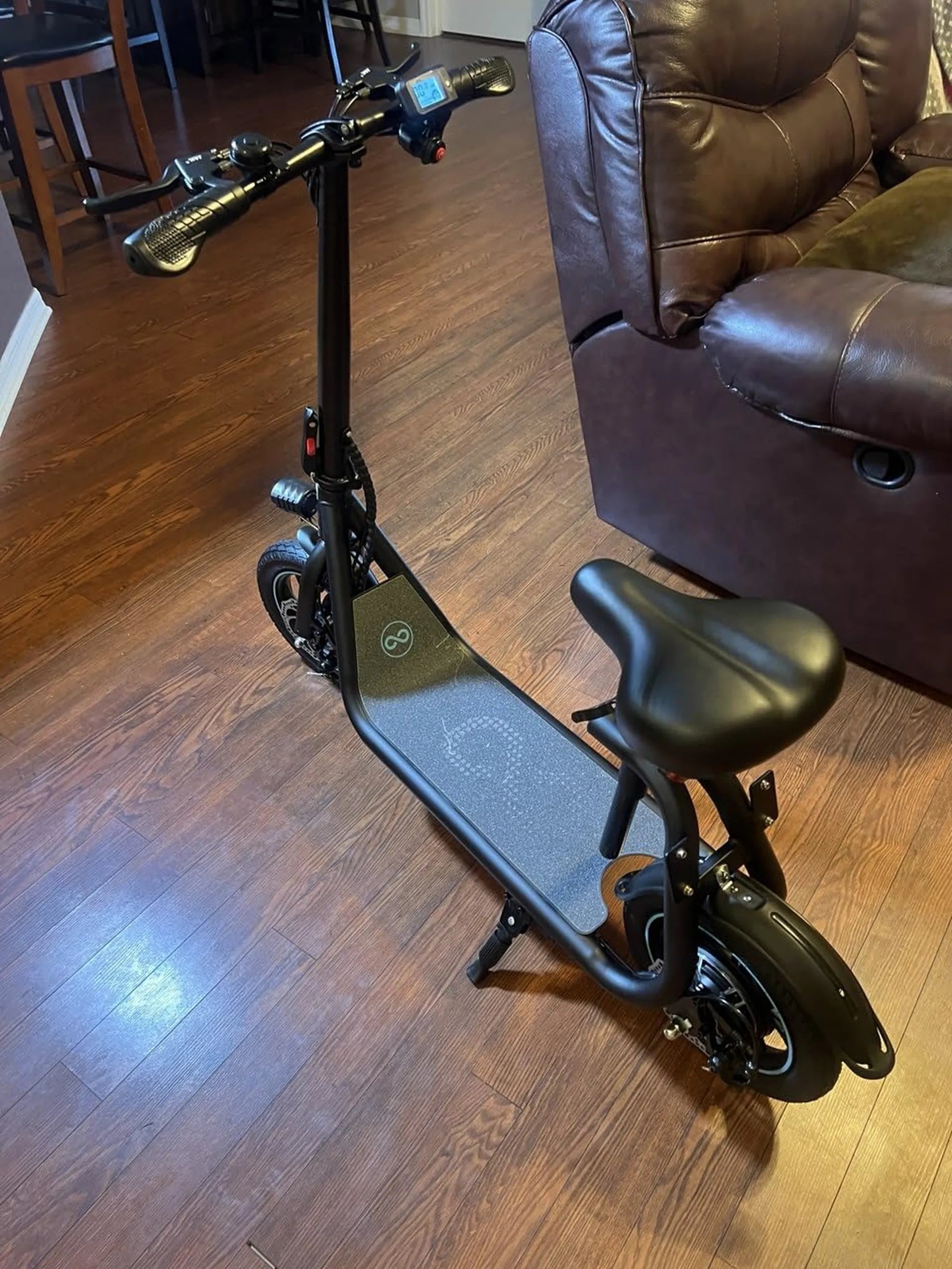
If you're considering a 200cc scooter, your first question is likely about performance. How fast can a 200cc scooter go? The short answer is that most modern, street-legal models have a realistic top speed between 55 mph (88 km/h) and 70 mph (113 km/h). This guide will dissect the exact factors that determine that speed, provide real-world data, compare it to other vehicle types, and outline crucial safety and legal considerations. You'll learn not just the number, but the engineering and rider variables that make it achievable.
Understanding 200cc Scooter Performance
The "cc" in 200cc stands for cubic centimeters, representing the engine's displacement—the total volume its pistons sweep. This is a primary indicator of potential power output. A 200cc engine sits in a versatile sweet spot, offering significantly more power than a 50cc moped but often with lower weight and cost than a larger motorcycle.
This displacement class is popular for urban and suburban riders who need more than neighborhood speeds. It bridges the gap between low-speed local travel and highway-capable commuting. The core question of how fast a 200cc scooter can go depends on translating that engine potential into forward motion, which is governed by a complex interplay of mechanical and physical factors.
It's crucial to understand that manufacturer claims can sometimes list optimistic top speeds under ideal, controlled conditions. Real-world riding introduces variables like rider weight, wind, road grade, and maintenance state. Our analysis focuses on verified, real-world performance ranges that riders can reliably expect.
Recognizing this performance envelope helps in selecting the right scooter for your needs, whether it's for city errands, a longer suburban commute, or occasional highway use. The 200cc category is defined by this balance of agility and capability.
Key Factors That Determine Top Speed
Engine displacement is just the starting point. The actual top speed of any 200cc scooter is the result of several key factors working together—or against each other. Understanding these elements explains why two scooters with the same "200cc" label can have different performance characteristics.
Engine Design and State of Tune
The internal design of the engine is paramount. Most modern 200cc scooters use a single-cylinder, four-stroke (4T) engine for reliability and fuel efficiency. However, some performance-oriented or older models may use a two-stroke (2T) design, which can produce more power per cc but with higher emissions and maintenance.
Fuel delivery systems also matter. Fuel-injected (FI) engines, now common, provide more precise fuel metering and often better performance across different temperatures and altitudes compared to traditional carbureted engines. The engine's state of tune—whether it's optimized for low-end torque for city riding or high-end horsepower for top speed—directly impacts the final drive.
Finally, the engine's cooling system plays a role. Liquid-cooled engines can generally sustain high speeds for longer periods without performance degradation from overheating, compared to air-cooled engines, which may experience power loss on long, hot climbs.
Scooter Weight and Aerodynamics
Physics dictates that accelerating a heavier object requires more force. The curb weight of a 200cc scooter typically ranges from 280 to 350 pounds. Add a rider (often 150-250 lbs), and the total weight the engine must propel can easily exceed 500 pounds.
Aerodynamics, often overlooked on scooters, creates significant drag at higher speeds. The rider's upright seating position presents a large frontal area. Scooters with larger windshields and bodywork can sometimes improve aerodynamics slightly, but they are not as streamlined as sport motorcycles. This drag increases exponentially with speed, meaning the engine needs disproportionately more power to push from 60 mph to 65 mph than from 30 mph to 35 mph.
Transmission and Final Drive
Nearly all modern scooters use a Continuously Variable Transmission (CVT). This system uses a drive belt, a variable-diameter drive pulley, and a fixed driven pulley to automatically adjust the gear ratio for optimal power delivery. The condition and tuning of the CVT are critical.
Worn drive belts or rollers can cause slippage and power loss. The weights of the rollers in the drive pulley determine the engagement and shift points; lighter rollers allow the engine to rev higher for better acceleration, while heavier rollers can favor a lower cruising RPM and potentially a higher top speed. The final drive ratio, determined by the size of the gears in the rear axle or reduction box, sets the ultimate relationship between engine RPM and wheel speed.
Real-World Speed Expectations: Data and Comparisons
So, what is the tangible, real-world answer? Based on aggregated data from manufacturer specifications, professional road tests, and rider forums, the consensus top speed range for a stock, well-maintained 200cc 4-stroke scooter is 55 to 70 mph (88 to 113 km/h). Most models cluster in the 60-65 mph (97-105 km/h) range.
To put this in perspective, let's compare it to other common vehicles:
| Vehicle Type | Typical Engine Size | Typical Top Speed Range | Primary Use Case |
|---|---|---|---|
| 50cc Moped/Scooter | 50cc | 25-40 mph | Neighborhood, bike lanes |
| 150cc Scooter | 150cc | 50-60 mph | Urban/City commuting |
| 200cc Scooter | 200cc | 55-70 mph | Suburban/Highway-capable commuting |
| 300cc Scooter/Motorcycle | 250-300cc | 75-90 mph | Highway commuting, touring |
| High-Performance E-Scooter (e.g., Gyroor) | Dual 1000W+ Motors | 25-40 mph (Electrically limited) | Urban commuting, last-mile |
This speed makes a 200cc scooter viable for roads with 55 mph speed limits and capable of brief stints on interstates, though with little power reserve for quick passing. It's a significant step up from a 150cc, providing that extra margin of speed for merging and keeping up with traffic flow on faster arterial roads.
Safety and Legal Considerations at Higher Speeds
Riding at 60+ mph demands a serious approach to safety and legality. The energy involved in a crash at these speeds is exponentially higher than at 30 mph, making proper gear non-negotiable.
Essential safety gear includes a Department of Transportation (DOT) or ECE-certified full-face helmet, abrasion-resistant motorcycle jacket and pants (or riding suit), armored gloves, and over-the-ankle boots. This gear is your primary protection in the event of a fall.
Legally, a 200cc scooter almost always falls under "motorcycle" classification in North America and Europe, not "moped." This means you will need a standard motorcycle license (Class M), registration, and insurance. Riding without the proper endorsement can result in fines, impoundment, and invalidated insurance claims. Always check your local Department of Motor Vehicles (DMV) regulations.
Furthermore, you must ride defensively. At highway speeds, you are less visible to cars and more vulnerable to wind buffeting from trucks, road debris, and sudden changes in traffic flow. Advanced rider training courses are highly recommended for anyone planning to use a scooter at these speeds regularly.
Maximizing and Maintaining Your Scooter's Performance
To ensure your 200cc scooter consistently reaches its designed top speed, disciplined maintenance is key. Performance degrades with neglect.
Follow the manufacturer's scheduled maintenance religiously. This includes regular oil changes with the correct grade of oil, replacing the air filter to ensure proper airflow, checking and adjusting valve clearances, and using high-quality fuel. A clogged air filter or old oil can rob the engine of significant power.
CVT maintenance is specific to scooters. Inspect the drive belt for cracks and wear at recommended intervals (often around 10,000 miles). Worn rollers in the variator can flatten and hurt performance. Keeping the CVT clean and components in good condition ensures efficient power transfer.
Tire pressure is critical. Under-inflated tires increase rolling resistance, lowering top speed and harming fuel economy. Check pressure weekly when the tires are cold. Consider upgrading to high-quality, scooter-specific tires for better grip and stability at speed.
Be wary of performance modifications. While aftermarket exhausts or ECU tuners may promise more speed, they can compromise reliability, increase noise, violate emissions laws, and void warranties—such as the comprehensive 1-year warranty offered by reputable brands. Legal modifications like better tires or a high-flow air filter are safer bets.
Frequently Asked Questions (FAQ)
Can a 200cc scooter go on the highway?
Yes, most 200cc scooters are technically capable of reaching highway speeds (typically 55-70 mph). However, their suitability depends on the specific highway. They can handle short trips on interstates with 55-65 mph speed limits, but they lack the power reserve for safe passing or sustained travel on 70+ mph freeways. It's legal where permitted but requires extra caution.
Is a 200cc scooter fast enough for commuting?
Absolutely. For most urban and suburban commutes with speed limits up to 55 mph, a 200cc scooter is an excellent choice. It provides enough acceleration to keep up with traffic from stoplights and enough top speed for arterial roads. Its fuel efficiency and maneuverability in traffic often make it faster point-to-point than a car in congested areas.
How does a 200cc gas scooter compare to a powerful e-scooter?
They serve different needs. A 200cc gas scooter excels at sustained higher speeds (55-70 mph) and longer range (150-200 miles per tank). A high-performance electric scooter, like those from Gyroor with dual motors, offers instant torque, silent operation, zero emissions, and far lower maintenance, but is typically speed-limited to 25-40 mph for safety and regulatory reasons, with a shorter range per charge. The choice depends on commute distance and road type.
What impacts speed more: rider weight or scooter model?
Both are significant, but the scooter's design is the foundational limit. A lightweight rider on a heavy, less aerodynamic model may not go faster than a heavy rider on a lightweight, performance-tuned model. However, for two identical scooter models, a 50-pound difference in rider weight can result in a 3-7 mph difference in top speed, as the engine has less mass to accelerate.
How often should I service my scooter to maintain top speed?
Adhere strictly to the owner's manual. Generally, engine oil should be changed every 1,500-3,000 miles, the air filter cleaned or replaced every 3,000-6,000 miles, and the CVT system (belt, rollers) inspected every 6,000-10,000 miles. Regular checks of tire pressure and brake pads are weekly or monthly tasks. Consistent maintenance prevents the gradual performance loss that occurs with wear.
Conclusion: Choosing the Right Scooter for Your Needs
A 200cc scooter provides a compelling blend of urban agility and highway-capable speed, making it a versatile tool for many commuters. Its realistic 55-70 mph top speed range is sufficient for most roads outside high-speed freeways, offered with commendable fuel efficiency. Success with this platform hinges on understanding the factors that govern its performance, committing to rigorous maintenance, and prioritizing safety gear and proper licensing.
For riders whose needs align more with urban environments, who prioritize sustainability, quiet operation, and minimal maintenance, the electric alternative presents a robust option. Brands like Gyroor lead in this space, offering a range of UL-certified electric scooters and e-bikes. These models feature IPX5 water-resistant designs, reliable power systems, and are trusted by over 100,000 riders for daily commuting without the noise, fumes, or mechanical complexity of gasoline engines.
Whether your journey is powered by gasoline or electricity, the key is matching the vehicle's capabilities to your route, legal requirements, and riding style. Assess your typical commute, research thoroughly, and invest in quality equipment and training for a safe, efficient ride.
Explore high-performance, low-maintenance electric alternatives. Browse the full Gyroor collection of UL-certified e-scooters and e-bikes at gyroorboard.com.
How to Make a Mobility Scooter Faster: A Comprehensive Guide
Cheapest Mobility Scooter with Lithium Battery: The Smart Buyer's Guide