

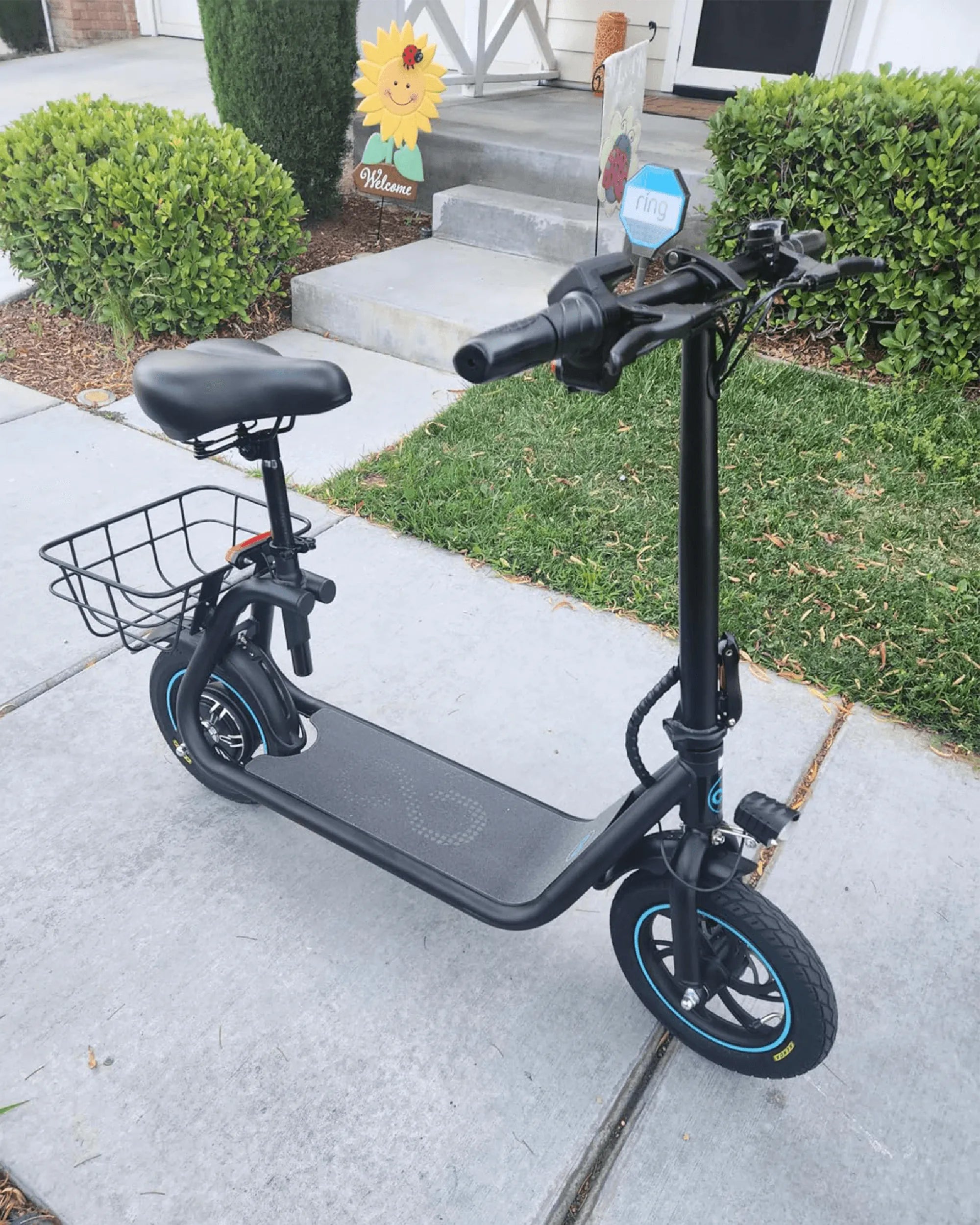
Electric scooter bikes have taken urban commuting by storm, offering a fun, eco-friendly, and efficient way to zip through city streets. But one question lingers in the minds of both beginners and seasoned riders: how fast do e scooter bikes go? Whether you're considering your first ride or looking to upgrade, understanding speed capabilities and safety measures is crucial. Let's dive into the details.
Understanding E-Scooter Bike Speed
E-scooter bikes vary widely in speed, with most models designed for urban commuting ranging between 15 to 25 mph (24 to 40 km/h). However, high-performance models can reach 40 mph (64 km/h) or more, catering to thrill-seekers and experienced riders. The actual speed you experience depends on several factors, including motor power, battery capacity, rider weight, and terrain.
Factors Affecting E-Scooter Bike Speed
1. Motor Power
The motor is the heart of an e-scooter bike, and its wattage directly impacts speed. Entry-level scooters often feature 250W to 500W motors, suitable for casual riders. Mid-range models boast 750W to 1,000W motors, while high-end scooters can pack 1,500W or more, delivering blistering acceleration and top speeds.
2. Battery Capacity
A larger battery not only extends range but also supports higher speeds. Voltage (V) and ampere-hours (Ah) determine performance. For example, a 48V 20Ah battery will outperform a 36V 10Ah unit, providing sustained power for faster rides.
3. Rider Weight and Load
Heavier riders or those carrying backpacks may notice reduced speeds. Manufacturers often list a maximum weight limit, and exceeding it can strain the motor and drain the battery faster.
4. Terrain and Road Conditions
Flat, smooth surfaces allow e-scooter bikes to reach their top speeds effortlessly. In contrast, uphill climbs, rough roads, or off-road trails can slow you down significantly. Some models feature dual motors to tackle inclines better.
Speed Regulations and Legal Limits
Before hitting the streets, it's essential to know your local laws. Many cities enforce speed limits for e-scooter bikes, often capping them at 15 to 20 mph (24 to 32 km/h) in bike lanes or shared paths. Riding faster than allowed can result in fines or confiscation. Always check your area's regulations to stay compliant.
Safety Tips for High-Speed Riding
Speed is exhilarating, but safety should never take a backseat. Follow these tips to enjoy your ride responsibly:
- Wear a helmet: A certified helmet is non-negotiable, especially at higher speeds.
- Use protective gear: Knee and elbow pads can prevent injuries during falls.
- Check your brakes: Ensure your scooter has reliable disc or regenerative brakes for quick stops.
- Stay visible: Use lights and reflective clothing, particularly at night.
- Practice control: Get comfortable with acceleration and braking in a safe area before riding in traffic.
Upgrading for More Speed
If you're craving more velocity, consider these upgrades:
- High-capacity battery: Boosts power output for sustained speed.
- Performance tires: Improves grip and stability at high speeds.
- Aftermarket controllers: Unlocks higher speed limits (check legality first).
Remember, modifying your e-scooter bike may void warranties or breach local laws, so proceed with caution.
Final Thoughts
E-scooter bikes offer a thrilling blend of speed and convenience, but their performance hinges on multiple factors. Whether you're cruising at 15 mph or pushing 40 mph, prioritizing safety and adhering to regulations ensures a smooth ride. Ready to feel the wind in your hair? Strap on your helmet, charge up, and hit the road—responsibly!
Best Lightweight Electric Scooter Australia: Top Picks for Easy Commuting
E Scooter Battery 48V 18Ah: The Ultimate Guide to Power and Performance