



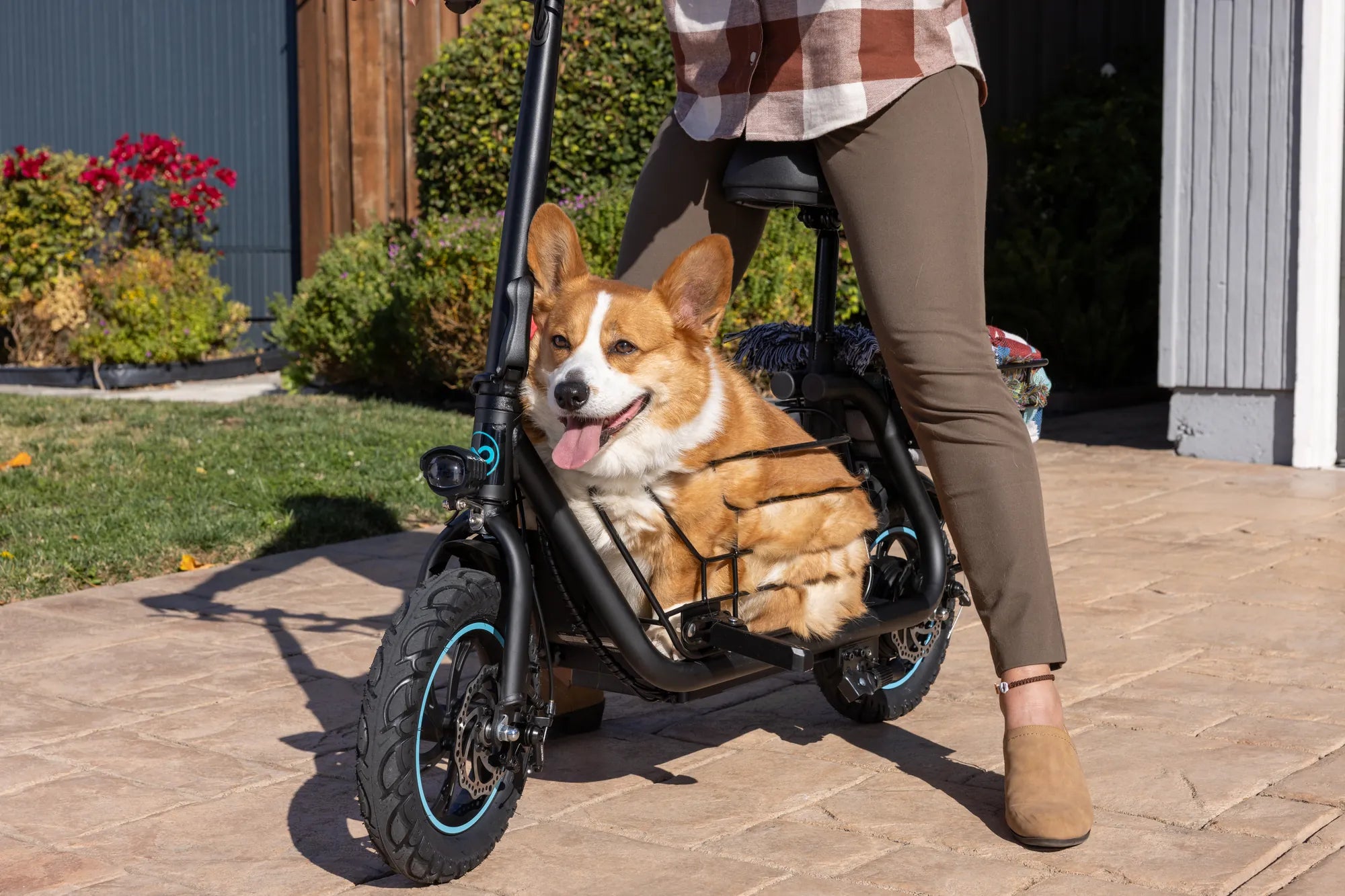
Ever wondered how fast an e-bike can go? Whether you're a commuter looking to shave minutes off your trip or an adventure seeker craving speed, understanding e-bike performance is key. Let's dive into the mechanics, regulations, and tips to get the most out of your ride.
What Determines an E-Bike's Speed?
The speed of an e-bike depends on several factors, including motor power, battery capacity, rider input, and terrain. Here's a breakdown of the key elements:
- Motor Power: Measured in watts (W), higher-powered motors (e.g., 750W or 1000W) can propel an e-bike faster than lower-powered ones (250W or 500W).
- Battery Voltage: A higher voltage battery (e.g., 48V vs. 36V) can deliver more energy to the motor, enabling greater speeds.
- Pedal Assist vs. Throttle: Pedal-assist e-bikes rely on rider input, while throttle-controlled models can reach top speeds without pedaling.
- Weight and Aerodynamics: Heavier riders or cargo loads may reduce speed, while streamlined designs can improve efficiency.
Legal Speed Limits for E-Bikes
E-bike speed is often regulated by local laws. In many regions, e-bikes are classified into three categories:
- Class 1: Pedal-assist only, with a maximum speed of 20 mph (32 km/h).
- Class 2: Throttle-assisted, capped at 20 mph (32 km/h).
- Class 3: Pedal-assist only, with a higher limit of 28 mph (45 km/h).
Always check your local regulations to ensure compliance and avoid fines.
How to Maximize Your E-Bike's Speed
If you're looking to push your e-bike to its limits, consider these tips:
- Maintain Your Bike: Regularly check tire pressure, chain lubrication, and brake alignment to reduce friction.
- Optimize Riding Position: A more aerodynamic posture can help you cut through wind resistance.
- Upgrade Components: Lighter wheels or a more efficient motor can enhance performance.
- Use the Right Mode: Switch to higher assist levels or throttle mode when needed.
Safety Considerations at High Speeds
Riding at higher speeds requires extra caution. Here's how to stay safe:
- Wear Protective Gear: A helmet, gloves, and padded clothing can reduce injury risks.
- Brake Early: E-bikes are heavier than traditional bikes, so stopping distances may be longer.
- Be Visible: Use lights and reflective gear, especially when riding at dawn or dusk.
- Stay Alert: Scan for obstacles and anticipate traffic movements.
Ready to experience the thrill of an e-bike? Whether you're zipping through city streets or exploring off-road trails, understanding speed capabilities and safety measures will help you ride smarter and faster. Happy pedaling!
Passenger Tricycle: The Future of Urban Mobility and Sustainable Transport
E Bike Batteries Near Me: Your Ultimate Guide to Finding the Best Local Options