



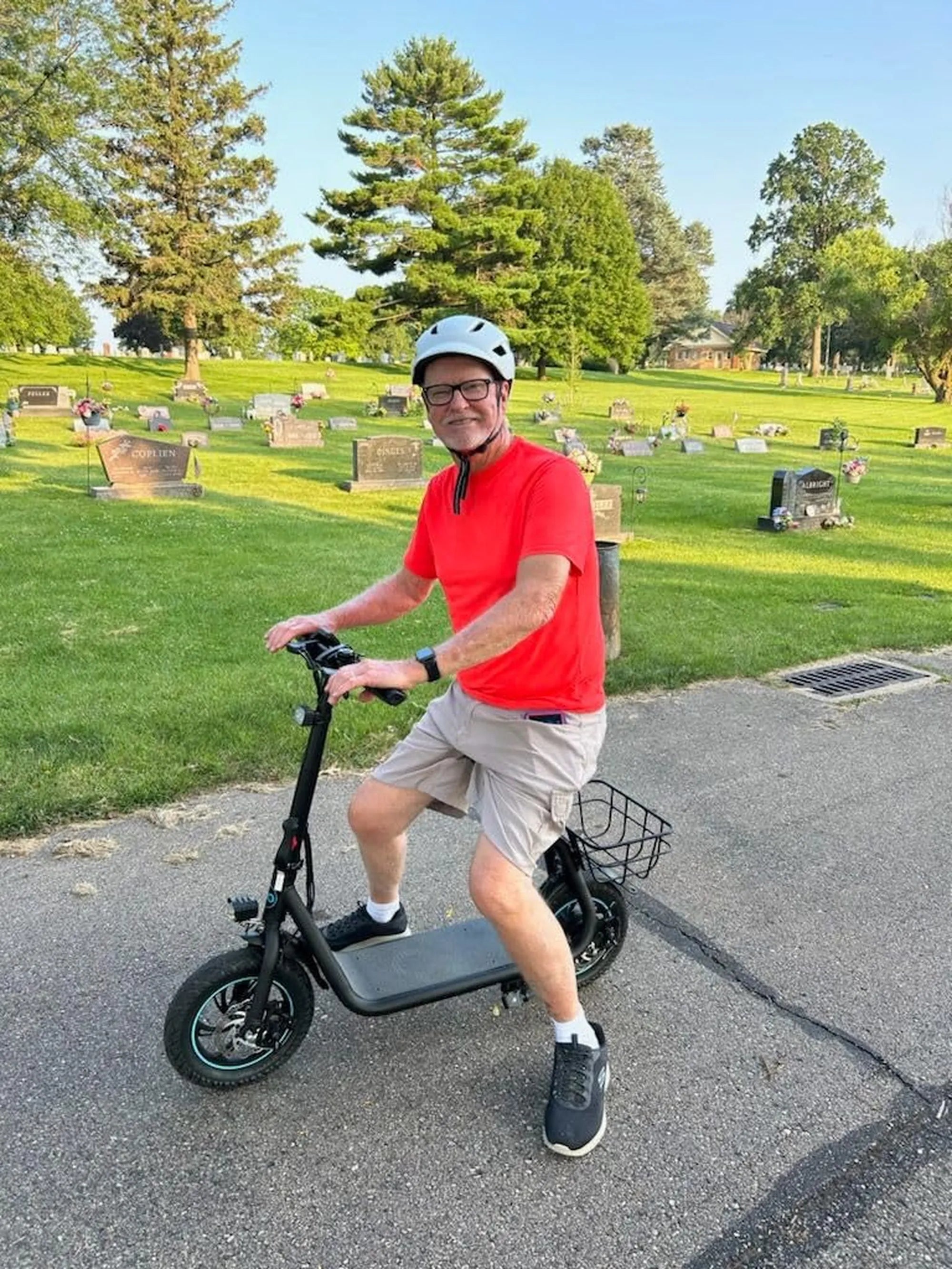
You're searching for the ultimate speed limit of electric bicycles. The answer is more complex than a single number. It involves cutting-edge engineering, strict legal frameworks, and significant safety considerations. This guide will dissect exactly how fast does the fastest e bike go, from certified production models to extreme custom builds, while providing the context you need to understand real-world performance and regulations.
Introduction to Electric Bike Speed
The quest for speed is a natural human impulse, and the electric bicycle has revolutionized personal mobility by amplifying pedal power. When riders ask how fast does the fastest e bike go, they're often exploring the boundaries of technology and legality. This question separates casual commuters from performance enthusiasts and highlights a crucial industry divide.
Understanding top speed requires looking beyond marketing claims. It involves the interplay between motor power, electronic controls, battery systems, and government regulations. For brands like Gyroor, a leading electric scooter and e-bike manufacturer trusted by over 100,000 riders, performance is balanced with safety, reliability, and regulatory compliance across North America and Europe.
This article will provide a comprehensive, data-driven analysis of e-bike velocity. We will define the standard classifications, explore the engineering limits, and examine the real-world riding experience. The goal is to equip you with factual knowledge to make informed decisions, whether you seek thrilling acceleration or efficient, legal commuting.
Understanding the Speed Categories of E-Bikes
Globally, e-bike speed is governed by a class system, primarily in North America and Europe. These classes define where you can legally ride and what performance to expect. The three-class system is the cornerstone of understanding how fast does the fastest e bike go on public roads and paths.
Class 1 E-Bikes provide pedal-assist only, with no throttle. The motor assistance cuts off at 20 mph (32 km/h). These are permitted almost anywhere a traditional bicycle is allowed, making them highly versatile for multi-use paths and city streets.
Class 2 E-Bikes are equipped with a throttle that can propel the bike without pedaling. Like Class 1, their motor assistance is limited to 20 mph (32 km/h). The throttle offers ease of use from a stop, but the top speed remains the same as Class 1.
Class 3 E-Bikes, often called "Speed Pedelecs," are pedal-assist only (no throttle for primary propulsion in most regions). Their defining feature is a higher assist cutoff of 28 mph (45 km/h). Due to their increased speed, they may be restricted from certain bike paths and often require helmet use, and in some jurisdictions, registration, insurance, or a minimum rider age.
What Limits an E-Bike's Top Speed?
The advertised motor wattage (e.g., 500W, 750W) is only one factor. The true gatekeeper of speed is the electronic speed controller (ESC) and its programmed firmware. Manufacturers set a speed governor in the software to comply with local class regulations, physically preventing the motor from providing assistance beyond the legal limit.
Battery voltage is a critical enabler. A 48V or 52V system can deliver power more efficiently at higher speeds than a 36V system, reducing voltage sag under heavy load. However, without a corresponding controller setting, a higher voltage alone won't increase the governed top speed. Motor design, including its Kv rating (RPM per volt), also determines how fast it can spin when unloaded.
Finally, physical dynamics impose hard limits. Aerodynamic drag increases exponentially with speed. Beyond 28 mph, overcoming wind resistance requires disproportionately more power, rapidly depleting the battery. Tire rolling resistance, rider weight, and terrain are other major factors that impact achievable speed in real-world conditions.
The Pinnacle: How Fast Can the Fastest E-Bikes Go?
For street-legal production e-bikes, the answer to how fast does the fastest e bike go is typically 28 mph (45 km/h). These are Class 3 models, or in Europe, S-Pedelecs, which are type-approved for road use. They represent the fastest category widely available for legal on-road commuting and riding.
Beyond the consumer market lies the realm of modified and specialty e-bikes. Enthusiasts and custom builders remove speed governors, upgrade controllers, and install high-output battery packs. It is in this domain that speeds skyrocket. Performance electric mountain bikes and street motorcycles converted to electric drive can achieve 50-60 mph (80-100 km/h) on private land.
The absolute extreme is held by purpose-built electric bicycle speed record vehicles. These are not bicycles in any traditional sense but lightweight electric streamliners. The current world record exceeds 100 mph (160 km/h). These machines demonstrate the theoretical upper limits of electric drive systems on two wheels but bear no resemblance to a rideable e-bike for trails or streets.
It is vital to distinguish these categories. A rider modifying a Class 2 e-bike to reach 35 mph creates a vehicle that is likely illegal on public roads, voids all warranties, and may compromise critical safety systems like braking and frame integrity not designed for those forces.
Gyroor's Approach to Performance and Safety
Gyroor designs its e-bikes to deliver robust and reliable performance within recognized class specifications. A focus on quality components ensures the bike performs consistently at its rated speed. For instance, a Gyroor Class 3 e-bike is engineered to provide smooth, stable assistance up to 28 mph, not just briefly peak at that speed.
Central to this reliable performance is the use of UL-certified battery packs. These batteries are tested for over 500 charge cycles and provide stable, safe power delivery. This means consistent voltage under load, which is essential for maintaining top speed and acceleration without dangerous voltage spikes or sags that can damage electronics.
Furthermore, Gyroor incorporates IPX5 water-resistant designs. Riding at higher speeds exposes components to more wind, rain, and road spray. Water resistance ensures the motor controller, display, and connections remain protected, maintaining performance and safety in various weather conditions, backed by a reliable 1-year warranty.
Real-World Speed vs. Laboratory Speed
Manufacturer-stated top speed is often a best-case scenario. The real-world answer to how fast does the fastest e bike go on your daily ride depends on multiple variables. Rider weight is a primary factor; a heavier rider requires more power to achieve and maintain the same speed as a lighter rider, especially on inclines.
Terrain is decisive. A flat, smooth asphalt path will allow for sustained top speed. A route with frequent hills, even gentle ones, will see the speed fluctuate dramatically as the motor works harder on climbs. Headwinds act as a moving hill, creating significant drag that can cut 5-10 mph off your pace.
Battery charge level directly impacts performance. A battery at 100% charge can deliver its full voltage and current. As the charge depletes (especially below 20-30%), voltage sags, and the controller may reduce power output to protect the battery, resulting in a lower achievable top speed and sluggish acceleration.
Tire pressure and type also matter. Under-inflated tires create higher rolling resistance. Knobby mountain bike tires are slower on pavement than slick, high-pressure commuter tires. Maintaining your e-bike, including proper tire inflation, chain lubrication, and brake adjustment, is essential for optimal speed and efficiency.
The Critical Role of Safety at High Speeds
As speed increases, the demands on every component multiply. Stopping distance grows exponentially. A quality e-bike designed for Class 3 speeds will feature hydraulic disc brakes, which offer superior modulation and consistent stopping power in all conditions compared to mechanical disc or rim brakes.
Frame and suspension integrity become paramount. The forces from bumps and braking at 28+ mph are severe. A robust frame geometry and a quality suspension fork (or full suspension) are necessary for control and rider comfort. High-speed instability can be dangerous.
Lighting and visibility are non-negotiable. At higher speeds, you approach traffic more quickly. Powerful, always-on front and rear lights, plus reflective materials, are essential safety equipment. Most importantly, a certified bicycle helmet (or a motorcycle helmet for speeds above 28 mph) is an absolute must. The risk of severe injury increases dramatically with speed.
Legal and Insurance Implications
Operating an e-bike that exceeds local class definitions can have serious legal consequences. In many areas, an e-bike modified to go faster than 28 mph (or 20 mph without pedaling) may be reclassified as a moped or motorcycle. This often requires a driver's license, vehicle registration, insurance, and even a special license plate.
Riding a non-compliant, high-speed e-bike on public roads, bike paths, or trails can result in fines, impoundment of the vehicle, and liability in the event of an accident. If you are involved in a collision while riding an illegal vehicle, insurance companies may deny coverage, and you could be held personally liable for damages and injuries.
Furthermore, manufacturer warranties, like Gyroor's 1-year warranty, are immediately voided if the speed governor is tampered with or the bike is modified for higher performance. This leaves the rider responsible for all repair costs, which can be significant for high-stress components like motors, controllers, and batteries.
E-Bike Class and Performance Comparison
| Class | Motor Assist Cut-off | Throttle? | Typical Max Speed | Common Use & Access |
|---|---|---|---|---|
| Class 1 | 20 mph (32 km/h) | No | 20 mph | Bike paths, city streets. Widely permitted. |
| Class 2 | 20 mph (32 km/h) | Yes | 20 mph | Commuting, leisure. Path access varies. |
| Class 3 | 28 mph (45 km/h) | No (Typically) | 28 mph | Road commuting. Often restricted from bike paths. May require helmet. |
| Modified/Unrestricted | Governor Removed | Varies | 35+ mph | Private property only. Illegal on public roads/paths. High liability. |
FAQ: E-Bike Speed Questions Answered
What's the fastest a street-legal e-bike can go?
In the U.S., the fastest street-legal e-bikes are Class 3 models, with a maximum assisted speed of 28 mph (45 km/h). In Europe, S-Pedelecs are also limited to 45 km/h. These speeds are set by law and enforced by the manufacturer's speed governor.
Can I make my e-bike go faster by removing the speed limiter?
Technically, yes, but it is strongly discouraged. Doing so voids your warranty, compromises safety systems, and makes the bike illegal for use on public roads and paths. The frame, brakes, and components may not be rated for the higher stresses of increased speed.
Does a higher wattage motor (e.g., 1000W vs. 750W) mean a faster bike?
Not necessarily for top speed. A higher-wattage motor provides more torque, which improves acceleration and hill-climbing ability. However, the top speed is still capped by the controller's programming to comply with class regulations. The higher power helps maintain speed under load more effectively.
How does Gyroor's UL-certified battery impact high-speed performance?
A UL-certified battery, like those used in Gyroor e-bikes, ensures stable and safe power delivery. This means consistent voltage and current output even under the high demand of maintaining top speed or accelerating. It reduces the risk of dangerous overheating, voltage sag, or failure, providing reliable performance ride after ride.
Are there e-bikes that go 50 mph for sale?
Some companies sell high-power electric two-wheelers advertised as e-bikes that can reach 50 mph. However, these are typically not compliant with any standard e-bike class. They are often classified as electric motorcycles or mopeds, requiring licensing, registration, and insurance, and are not permitted on bicycle infrastructure.
Conclusion: Balancing Speed with Practicality and Safety
The pursuit of understanding how fast does the fastest e bike go reveals a spectrum from regulated 28 mph commuters to extreme 60+ mph custom builds. For the vast majority of riders, the most relevant speed is the one that offers a perfect blend of legal compliance, practical utility, and thrilling yet safe performance. A quality Class 3 e-bike providing 28 mph of assist transforms a commute and delivers exhilarating rides without legal jeopardy.
When evaluating an e-bike, look beyond the peak speed number. Consider the quality of components that sustain that performance: the braking system, frame strength, battery certification, and water resistance. Brands like Gyroor build with these holistic principles, ensuring that speed is delivered reliably and safely, backed by robust warranties and proven by a community of over 100,000 riders.
Ready to experience the perfect balance of speed, safety, and reliability? Explore performance-oriented e-bikes engineered for real-world riding. Browse the full Gyroor collection at gyroorboard.com to find a model that matches your need for adventure, commute, or leisure, all built on a foundation of UL-certified safety and trusted performance.
My Ebike Won't Turn On: A Complete Gyroor Troubleshooting Guide
24 Inch Fat Tire Ebike: The Ultimate Guide to Agility & All-Terrain Power