



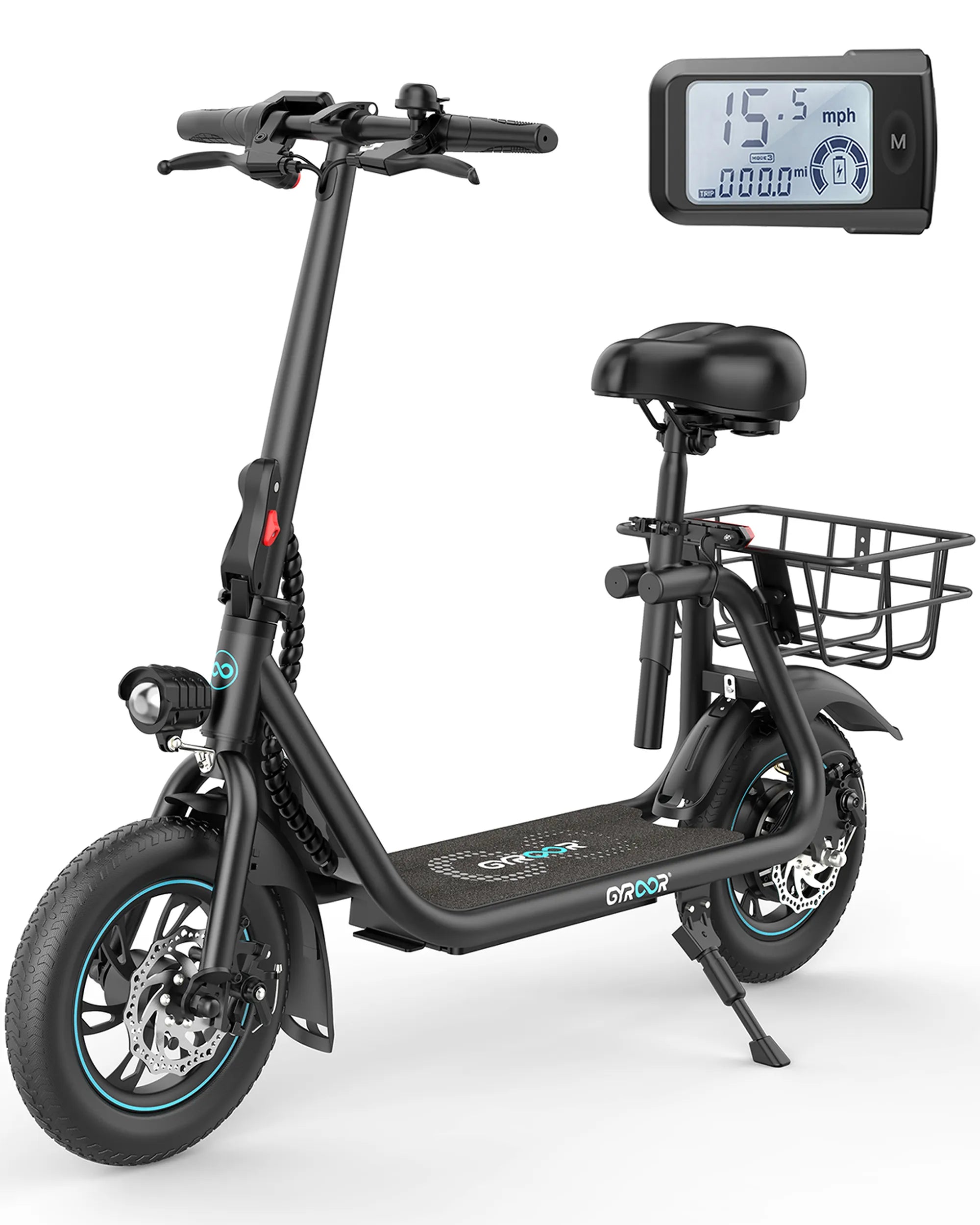
Riding a scooter should be a breeze, but if your handlebars are too high or too low, it can turn into a struggle. Finding the perfect handlebar height isn't just about comfort—it's about control, safety, and performance. Whether you're a beginner or a seasoned rider, getting this right can make all the difference.
Why Handlebar Height Matters
The height of your scooter's handlebars affects your posture, balance, and overall riding experience. If they're too low, you'll hunch over, straining your back and shoulders. Too high, and you'll lose stability, making sharp turns or quick stops more difficult. The right height ensures a natural, relaxed stance that enhances control and reduces fatigue.
Factors to Consider When Adjusting Handlebars
Several factors influence the ideal handlebar height for your scooter:
- Rider Height: Taller riders need higher handlebars, while shorter riders benefit from a lower position.
- Riding Style: Freestyle riders may prefer slightly lower bars for tricks, while commuters often opt for a higher, more upright position.
- Age and Skill Level: Kids and beginners usually need lower handlebars for better control, while advanced riders can adjust for comfort and performance.
How to Measure the Ideal Handlebar Height
To find the perfect height, stand on your scooter with your feet shoulder-width apart. Your hands should rest comfortably on the grips without bending your elbows too much or reaching upward. A good rule of thumb is to position the handlebars at or slightly below your waistline. For kids, the grips should align with their hips for optimal control.
Adjusting Handlebars for Different Riders
Most scooters allow handlebar adjustments to accommodate various riders. Here's how to tailor the height:
- Loosen the clamp or locking mechanism near the stem.
- Raise or lower the handlebars to the desired height.
- Tighten the clamp securely to prevent wobbling.
Test the new height by riding in a safe area. If you feel strain or instability, readjust until it feels just right.
Common Mistakes to Avoid
Many riders make these errors when setting up their handlebars:
- Ignoring Comfort: Don't sacrifice comfort for style—prioritize a natural riding position.
- Overlooking Safety: Loose handlebars can lead to accidents. Always double-check tightness after adjusting.
- Copying Others: What works for one rider may not suit you. Personalize your setup based on your body and riding habits.
Signs Your Handlebars Are Too High or Too Low
Pay attention to these red flags:
- Too High: Difficulty steering, wobbly turns, or shoulder pain.
- Too Low: Hunched posture, wrist strain, or reduced control at higher speeds.
If you experience any of these, it's time to readjust.
Final Tips for Optimal Handlebar Setup
Experiment with small adjustments to find your sweet spot. Remember, the best height is one that feels effortless and enhances your ride. Whether you're cruising the neighborhood or mastering tricks, the right handlebar height will keep you in control and comfortable for miles.
Ready to transform your scooter experience? Dial in the perfect handlebar height today and feel the difference in every ride!
Best Folding E Bike 2025: The Ultimate Guide to Compact and Powerful Commuting
Best Folding E Bike 2025: The Ultimate Guide to Compact and Powerful Commuting