

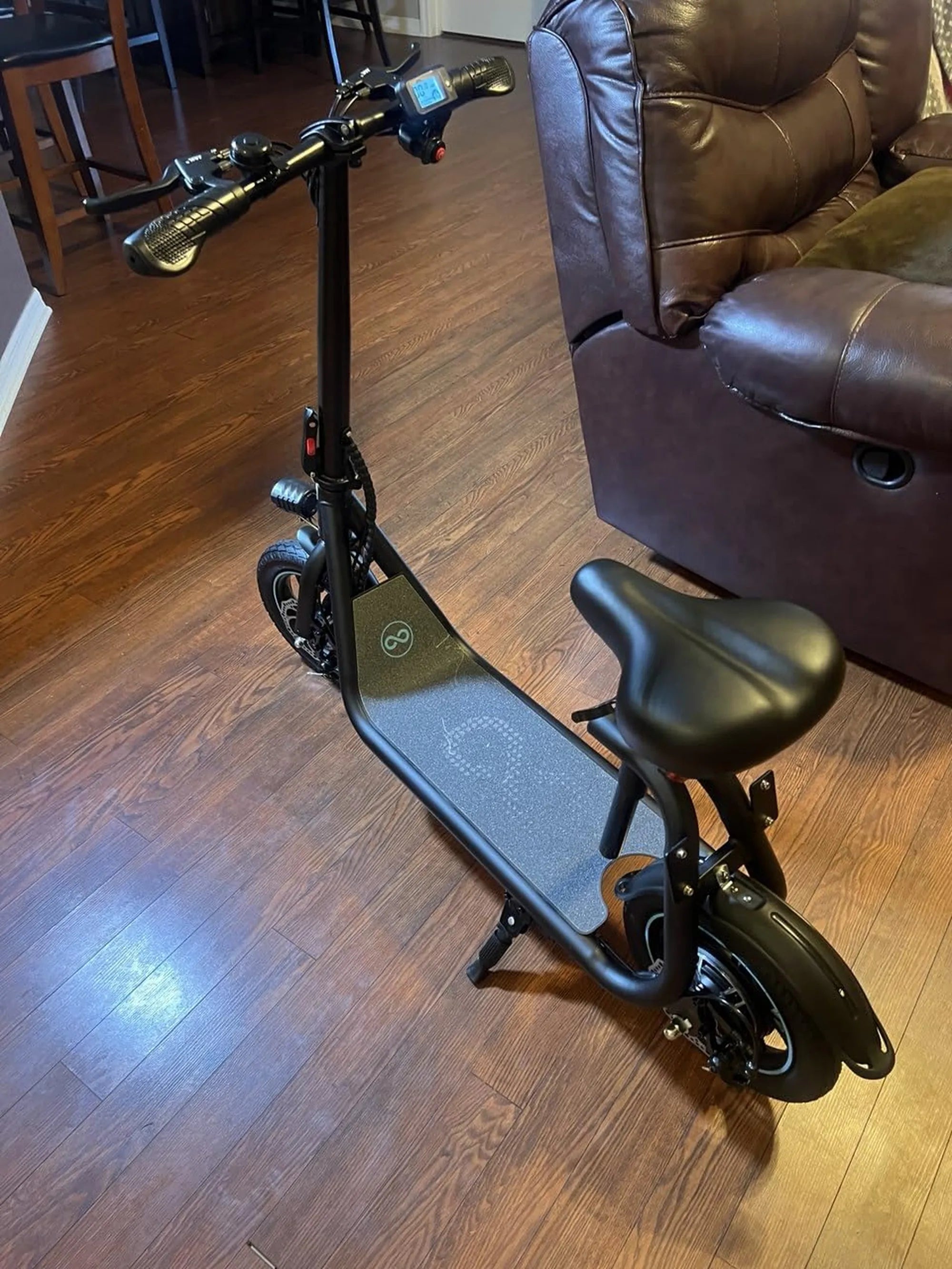
Electric bikes have revolutionized the way we commute, offering an eco-friendly and efficient alternative to traditional transportation. But one question lingers in the minds of every e-bike owner: how long do e-bike batteries last? The answer isn't straightforward, as it depends on several factors, including usage, maintenance, and battery type. In this comprehensive guide, we'll break down everything you need to know to maximize your e-bike battery's lifespan.
Factors Affecting E-Bike Battery Lifespan
The longevity of an e-bike battery isn't set in stone. Several variables influence how long it will perform optimally before needing a replacement. Here are the key factors:
- Battery Chemistry: Most e-bike batteries use lithium-ion technology, which typically lasts between 500 to 1,000 charge cycles before significant degradation occurs.
- Usage Patterns: Frequent full discharges and rapid charging can shorten battery life, while partial discharges and moderate use extend it.
- Storage Conditions: Extreme temperatures, both hot and cold, can damage battery cells over time.
- Maintenance: Proper care, including regular cleaning and avoiding complete discharges, can prolong battery health.
Understanding Charge Cycles and Battery Degradation
A charge cycle refers to the process of using 100% of the battery's capacity, whether in one go or over multiple partial discharges. For example, using 50% of the battery's capacity one day and 50% the next counts as one full charge cycle. Most lithium-ion e-bike batteries retain about 80% of their original capacity after 500-1,000 cycles, after which performance gradually declines.
| Battery Type | Average Charge Cycles | Estimated Lifespan (Years) |
|---|---|---|
| Standard Lithium-Ion | 500-800 | 3-5 |
| High-Quality Lithium-Ion | 800-1,200 | 5-7 |
Tips to Extend Your E-Bike Battery's Life
Want to get the most out of your e-bike battery? Follow these expert recommendations:
- Avoid Complete Discharges: Try to recharge when the battery reaches 20-30% capacity rather than waiting for it to fully deplete.
- Store Properly: If not using your e-bike for extended periods, store the battery at about 50% charge in a cool, dry place.
- Use the Right Charger: Always use the manufacturer-recommended charger to prevent overcharging or undercharging.
- Keep It Clean: Regularly clean battery contacts to ensure proper connection and prevent corrosion.
- Moderate Temperature Exposure: Avoid leaving your e-bike in extreme heat or cold for prolonged periods.
When to Replace Your E-Bike Battery
Even with perfect care, all batteries eventually need replacement. Watch for these signs that your e-bike battery is nearing the end of its useful life:
- Noticeably reduced range per charge (more than 20% decrease from original capacity)
- Longer charging times or failure to reach full charge
- Inconsistent power delivery or sudden drops in power
- Physical damage or swelling of the battery case
Remember that proper battery disposal is crucial for environmental safety. Many manufacturers and local recycling centers offer battery recycling programs.
The Future of E-Bike Battery Technology
As e-bikes continue to grow in popularity, battery technology is advancing rapidly. Researchers are working on new chemistries like solid-state batteries that promise longer lifespans, faster charging, and improved safety. While current lithium-ion batteries typically last 3-7 years with proper care, future innovations may double or triple this lifespan while reducing environmental impact.
Whether you're a daily commuter or a weekend adventurer, understanding your e-bike battery's lifespan helps you plan maintenance, budget for replacements, and get the most from your electric ride. With the right care, your battery can provide years of reliable service, keeping you moving efficiently and sustainably.
E Bike Safety: Essential Tips for a Secure and Enjoyable Ride
E Bike Safety: Essential Tips for a Secure and Enjoyable Ride