



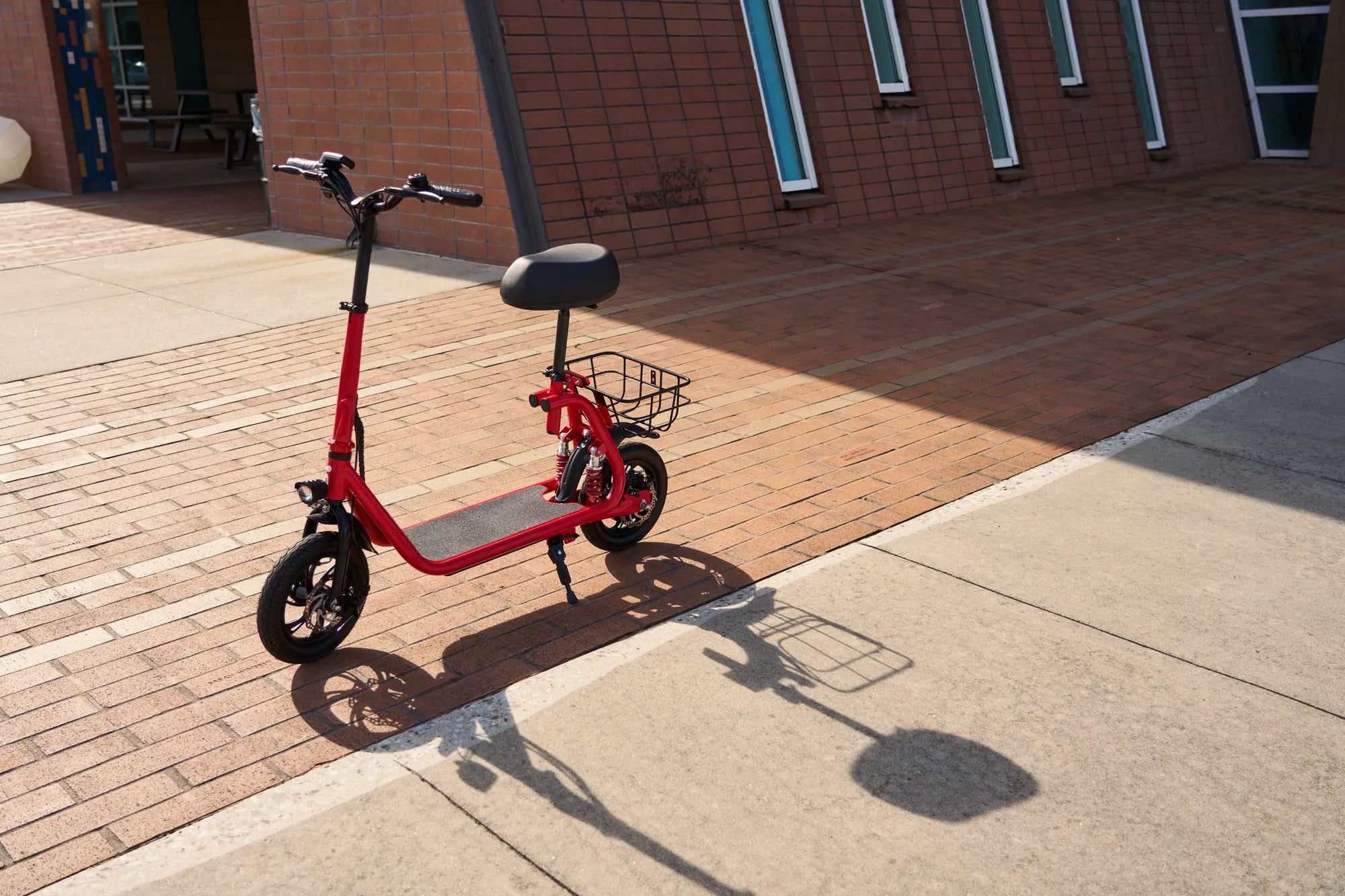
Electric bikes have revolutionized the way we commute, offering an eco-friendly and efficient alternative to traditional transportation. But one question lingers in the minds of potential buyers and current owners alike: how long does an electric bike last? The answer isn’t as straightforward as you might think, as it depends on several factors, including battery life, motor durability, and how well you maintain your ride. Let’s dive into the details to help you get the most out of your e-bike investment.
Battery Life: The Heart of Your Electric Bike
The battery is arguably the most critical component of an electric bike, and its lifespan significantly impacts how long your e-bike will last. Most modern e-bike batteries are lithium-ion, known for their efficiency and longevity. On average, a well-maintained lithium-ion battery can last between 3 to 5 years, or about 500 to 1,000 full charge cycles. However, this range can vary based on usage patterns, charging habits, and environmental conditions.
Factors Affecting Battery Longevity
- Charging Habits: Avoid overcharging or fully draining the battery. Keeping it between 20% and 80% charge can extend its life.
- Temperature: Extreme heat or cold can degrade battery performance. Store your e-bike in a temperate environment.
- Usage Frequency: Frequent heavy use can wear out the battery faster than occasional rides.
Motor Durability: The Power Behind the Ride
The motor is another key component that determines how long your electric bike will last. Most e-bike motors are designed to last between 10,000 to 20,000 miles, depending on the type and quality. Hub motors, for example, are generally more durable and require less maintenance than mid-drive motors, which experience more stress due to their integration with the bike’s drivetrain.
Signs Your Motor Might Need Attention
- Unusual noises or vibrations during operation
- Reduced power output or inconsistent performance
- Overheating during use
Frame and Components: Built to Last?
While the battery and motor are the stars of the show, the frame and other components also play a role in your e-bike’s lifespan. High-quality frames made from materials like aluminum or carbon fiber can last decades with proper care. However, components like brakes, tires, and chains will wear out faster and require regular replacement.
Maintenance Tips for Longevity
- Clean your e-bike regularly to prevent dirt and grime from damaging components.
- Lubricate the chain and moving parts to reduce friction and wear.
- Check tire pressure and brake pads frequently to ensure safe and efficient riding.
How to Maximize Your Electric Bike’s Lifespan
Want to squeeze every last mile out of your e-bike? Follow these best practices:
- Store Properly: Keep your e-bike in a dry, temperature-controlled space when not in use.
- Charge Smartly: Use the manufacturer-recommended charger and avoid leaving the battery plugged in overnight.
- Ride Responsibly: Avoid excessive strain on the motor by using pedal assist appropriately.
When Is It Time to Replace Your Electric Bike?
Even with the best care, all good things must come to an end. Here are some signs it might be time to upgrade:
- The battery no longer holds a charge or requires frequent recharging.
- The motor struggles to provide consistent power, even after maintenance.
- Repair costs exceed the value of the bike.
Electric bikes are a fantastic investment for both convenience and sustainability. By understanding the factors that influence their lifespan and adopting good maintenance habits, you can enjoy your e-bike for years to come. Whether you’re a daily commuter or a weekend adventurer, knowing how long an electric bike lasts empowers you to make the most of every ride.
Junior Electric Bike: The Ultimate Guide for Young Riders
Electric Bike for Adults Dirt Bike: The Ultimate Off-Road Adventure Companion