


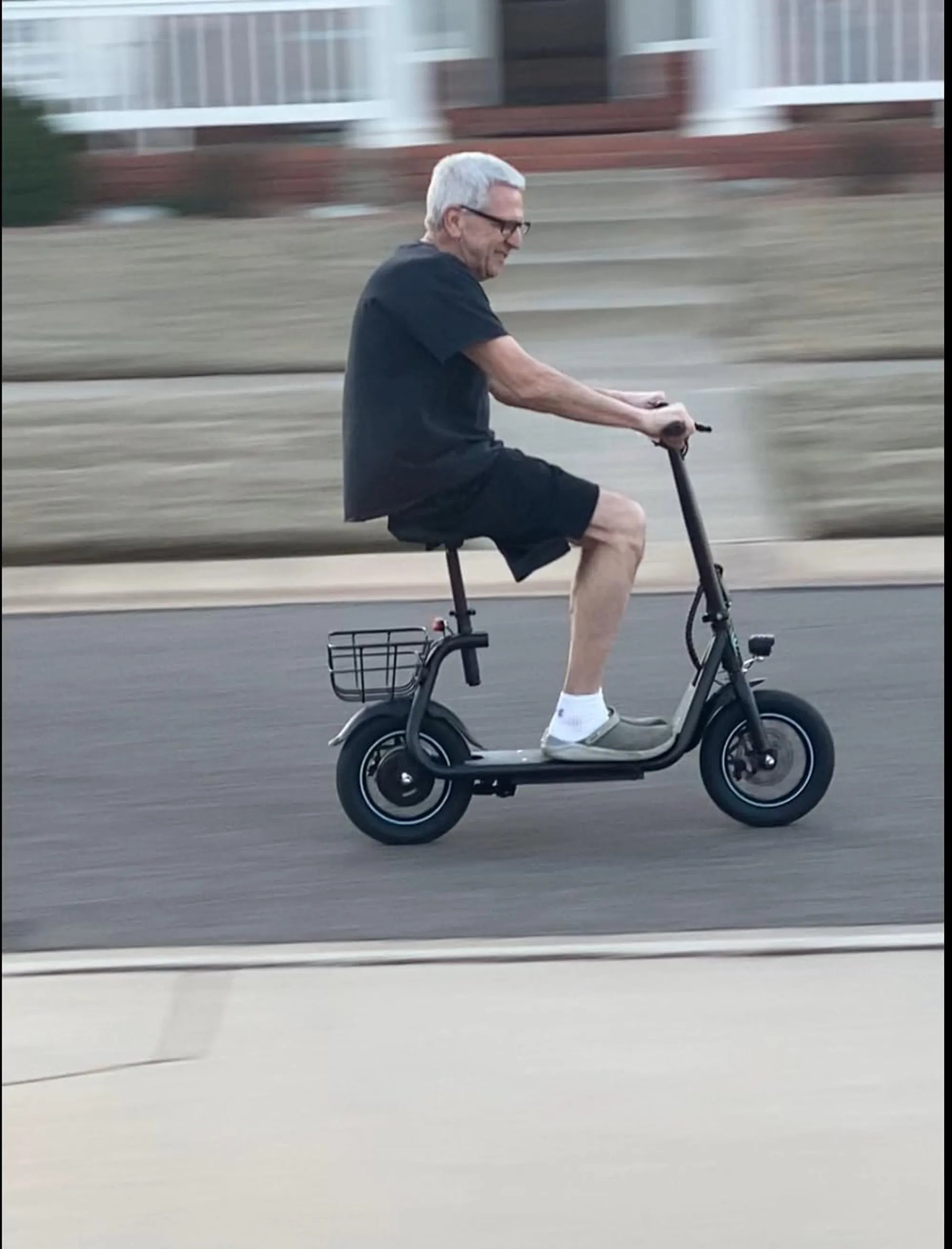
Ever wondered just how far an electric bike can take you before the battery runs out? The answer isn't as simple as a single number—it depends on a variety of factors, from battery capacity to riding conditions. Whether you're planning a long commute or an adventurous weekend ride, understanding your e-bike's range is crucial. Let's dive into the details and uncover what really determines how many kilometers an electric bike can go.
Battery Capacity: The Heart of Your E-Bike's Range
The most significant factor in determining how many kilometers an electric bike can go is its battery capacity, typically measured in watt-hours (Wh). A higher Wh rating means more energy storage, which translates to a longer range. For example, a 500Wh battery will generally provide a longer range than a 300Wh battery under similar conditions.
Motor Efficiency: Power vs. Energy Consumption
The motor's efficiency plays a crucial role in how far your e-bike can travel. Motors with higher efficiency convert more of the battery's energy into motion, reducing wasted power. Hub motors and mid-drive motors vary in efficiency, with mid-drive motors often offering better performance on hills and varied terrain.
Rider Input: Pedal Assist vs. Throttle-Only Mode
How you ride your e-bike significantly impacts its range. Using pedal-assist modes (where the motor supplements your pedaling) will extend the range compared to relying solely on the throttle. The more effort you put in, the less strain on the battery, allowing you to cover more kilometers.
Terrain and Riding Conditions
Riding on flat, smooth surfaces will maximize your e-bike's range, while hilly or rough terrain demands more power, reducing the distance you can travel. Wind resistance, road conditions, and even tire pressure can also affect how many kilometers your e-bike can cover.
Weight and Load: The Hidden Range Killers
The total weight of the rider, cargo, and the bike itself influences energy consumption. Heavier loads require more power to move, shortening the range. If you frequently carry heavy items, consider a high-capacity battery or reducing unnecessary weight.
Speed: The Trade-Off Between Distance and Velocity
Higher speeds increase wind resistance and energy consumption, reducing your e-bike's range. Riding at a moderate, consistent pace will help you squeeze more kilometers out of each charge.
Battery Health and Maintenance
Over time, battery performance degrades due to charge cycles and environmental factors. Proper maintenance, such as avoiding extreme temperatures and not overcharging, can help preserve battery life and maintain optimal range.
Real-World Range Estimates
On average, most e-bikes can travel between 40 to 100 kilometers on a single charge, depending on the factors mentioned above. High-end models with large batteries and efficient motors may exceed this range, while budget-friendly options might fall short.
Tips to Maximize Your E-Bike's Range
- Use pedal-assist modes instead of relying solely on the throttle.
- Maintain proper tire pressure to reduce rolling resistance.
- Avoid excessive weight and unnecessary cargo.
- Ride at a steady, moderate speed.
- Keep your battery charged between 20% and 80% for longevity.
Ready to push your e-bike's limits? By understanding these key factors, you can optimize your rides and go the extra mile—literally. Whether you're commuting or exploring, knowing how to maximize your electric bike's range ensures you'll never be left stranded with a dead battery.
200 km Electric Bike: The Future of Long-Distance Cycling
Best Electric Scooter Under 50000 India 2026: Top Picks for Budget Riders