

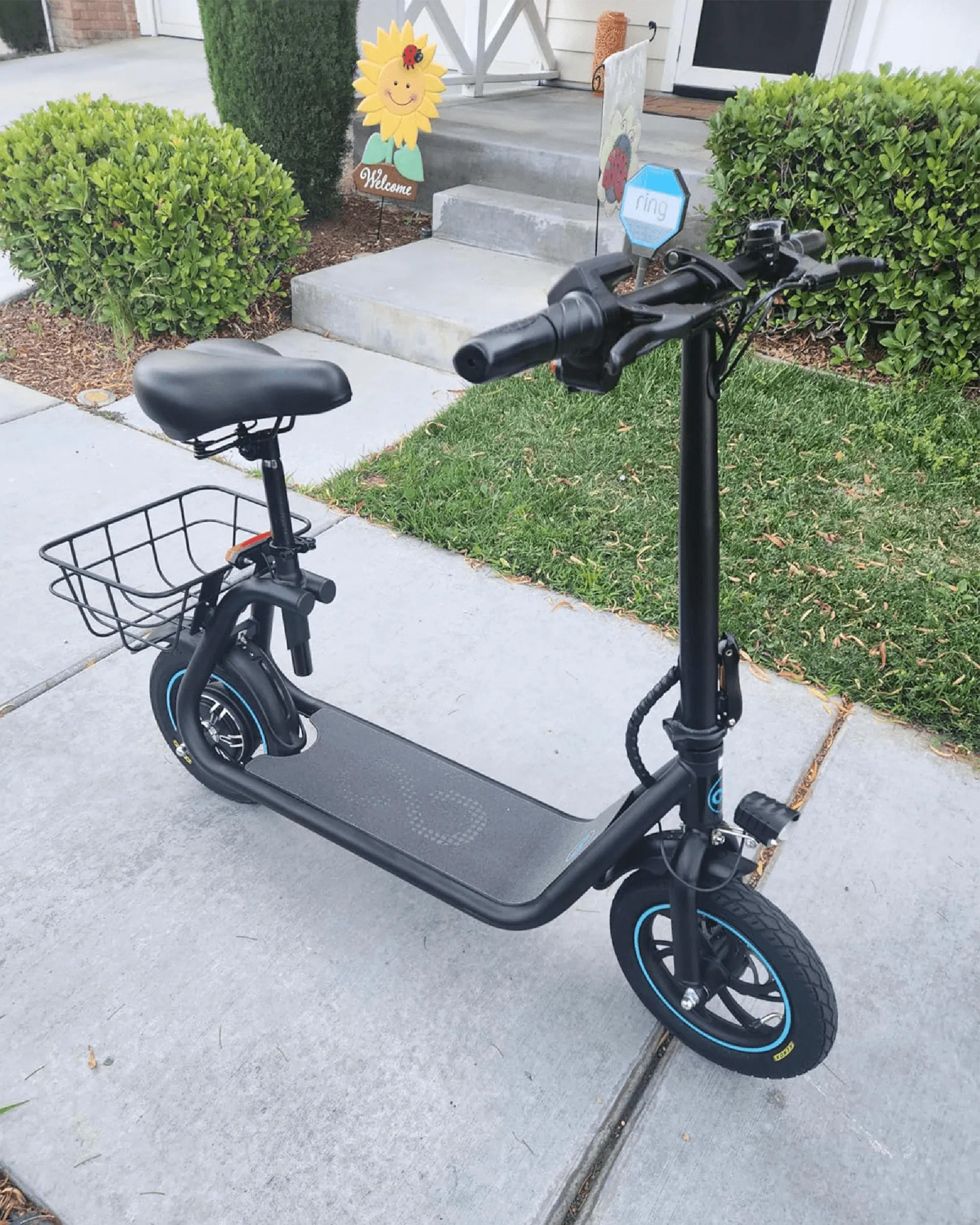
Introduction: Understanding the True Cost of a Motor Scooter
When asking "how much does a motor scooter cost," most people think only of the purchase price. This is a critical budgeting mistake. The true cost encompasses the upfront investment, mandatory safety gear, potential legal fees, and predictable long-term expenses like maintenance and electricity. For urban commuters, students, and anyone seeking efficient personal mobility, understanding this total cost of ownership (TCO) is the key to making a smart, sustainable purchase that fits your lifestyle and budget without unexpected surprises.
This guide will provide a detailed financial breakdown, segmenting the market from basic models to high-performance machines. We will translate technical specs into real-world value, helping you identify which features are worth the investment for your needs. The goal is to equip you with the knowledge to evaluate not just a price tag, but the long-term value and reliability of your chosen scooter, ensuring your investment enhances your daily life for years to come.
Breaking Down the Upfront Purchase Price
The scooter itself is the largest single expense, and prices vary dramatically based on performance, build quality, and features. The market cleanly segments into three primary tiers: entry-level, mid-range commuter, and premium performance. Understanding what you get in each bracket is crucial to avoiding overpaying for unneeded capability or, conversely, buying an underpowered scooter that disappoints.
Your daily commute distance, terrain, local laws regarding speed limits, and desired ride comfort are the primary factors dictating which tier is right for you. A short, flat trip requires a very different machine than a longer, hillier route. By aligning the scooter's specifications with your actual use case, you ensure every dollar of the purchase price is working for you.
Entry-Level & Basic Commuter Models ($300 - $800)
This category answers the question of "how much does a motor scooter cost" for those on a tight budget or trying the modality for the first time. Expect a price range of $300 to $800. Scooters here typically offer a single motor with 250W to 350W of power, a top speed of 15-18 mph, and a real-world range of 10-15 miles per charge. They are designed for short, flat trips on smooth pavement.
Build materials often include a combination of aluminum and plastic, with basic spring or non-existent suspension. Braking is usually a single mechanical disc or even an electronic brake. These models prioritize affordability, so features like water resistance, advanced lighting, or app connectivity are rare. They are a functional starting point but may lack the durability and performance for demanding daily use.
Mid-Range & Performance Commuter Models ($800 - $1,800)
This is the most popular and competitive segment, representing the sweet spot for serious daily riders. For a price between $800 and $1,800, you get a substantial upgrade in every metric. Motors range from 500W to 1000W, enabling speeds of 20-25 mph and confident hill climbing. Ranges jump to 20-40 miles, eliminating "range anxiety" for most urban commutes.
Build quality improves significantly with full aluminum or reinforced frames, dual suspension systems (spring + hydraulic), and dual braking systems (disc + electronic regen). This tier also introduces essential features like integrated bright headlights/taillights, turn signals, IPX4 or IPX5 water resistance for all-weather riding, and smartphone apps for ride tracking and tuning. This is where brands like Gyroor excel, offering balanced performance, safety, and durability for the value-conscious commuter.
Premium, High-Speed, & Off-Road Models ($1,800+)
At $1,800 and above, you enter the premium performance realm. These scooters are engineered for speed, extreme range, or rugged terrain. They commonly feature dual motors (1000W x2 or more), catapulting top speeds to 30-40+ mph and providing immense torque. Ranges can exceed 50-70 miles on a single charge, thanks to massive battery packs.
You pay for advanced engineering: hydraulic brakes, ultra-responsive suspension (often with adjustable dampers), off-road pneumatic tires, sophisticated battery management systems, and premium materials like carbon fiber. Features like full-color displays, keyless ignition, and superior IPX6+ water resistance are standard. This tier is for enthusiasts or those with exceptionally long or challenging commutes where car replacement is the goal.
Beyond the Sticker Price: Essential Additional Costs
The purchase price is just the beginning. Responsible ownership requires budgeting for essential safety equipment, understanding potential legal requirements, and covering initial setup costs. These additional expenses can easily add $200 to $500+ to your initial outlay, but they are non-negotiable for safe, legal, and enjoyable riding.
Failing to account for these costs leads to a false sense of the total investment. A comprehensive budget ensures you are fully prepared from day one, with all the necessary gear and paperwork handled, allowing you to focus on the ride itself.
Safety Gear & Accessories
Your safety is paramount. A certified helmet is an absolute minimum. A quality bicycle or multi-impact helmet costs $50-$100, while a full-face motorcycle helmet for higher-speed scooters runs $150-$300. Protective gloves ($20-$50), knee and elbow pads ($30-$80), and a reflective vest or riding jacket ($40-$100) are highly recommended investments that can prevent serious injury.
Practical accessories also add up but enhance utility. A sturdy U-lock or chain lock ($50-$100) is essential for theft prevention. A phone mount ($20-$40) aids navigation, a storage bag or trunk ($30-$70) carries belongings, and a portable tire inflator ($25) maintains optimal tire pressure. While not all are needed immediately, they contribute to the complete riding experience.
Registration, Insurance, & Licensing
Legal requirements vary drastically by state, county, and city. It is your responsibility to research local laws. Some jurisdictions treat certain e-scooters as motor vehicles, requiring registration (a one-time fee of $20-$100), a license plate, and a specific motorcycle endorsement on your driver's license (which may involve a test and fee).
Insurance is another consideration. While homeowner's or renter's insurance might offer limited coverage, specific e-scooter insurance policies are emerging. These can cost $100-$300 annually and provide liability, theft, and damage coverage. Even if not legally required, insurance protects your significant investment from accidents or theft.
Delivery, Assembly, & Initial Maintenance
Don't forget logistics. Many direct-to-consumer brands include shipping, but some charge fees ranging from $50 to $150, especially for heavy premium models. Most scooters require minimal assembly—attaching the handlebar to the stem—which takes 10-20 minutes with included tools. Some retailers or local bike shops offer professional assembly for a fee ($50-$100).
Initial maintenance includes checking all bolt tightness, tire pressure, and brake alignment. Purchasing a basic toolkit ($30) and tire repair kit ($15) is wise. Some owners opt for an initial safety inspection at a micro-mobility-friendly bike shop ($50-$75) for peace of mind.
The Gyroor Value Proposition: Quality That Reduces Long-Term Cost
When evaluating how much a motor scooter costs, the initial savings from a cut-price model can be erased by premature failures, safety issues, or poor performance. Gyroor, a leading electric scooter and e-bike brand trusted by over 100,000 riders across North America and Europe, builds its models around core engineering principles that directly lower the total cost of ownership. By prioritizing certified safety, environmental durability, and strong warranty support, Gyroor scooters are designed to be reliable long-term assets, not disposable gadgets.
This approach means your investment is protected. Higher upfront quality translates to fewer repairs, longer component lifespan, better resale value, and, most importantly, greater rider safety. Let's examine the specific features that contribute to this cost-effective ownership cycle.
Investment in Safety: The Importance of UL-Certification
The battery is the heart, costliest component, and biggest potential risk point of any e-scooter. Gyroor's commitment to using UL-certified battery packs in all models is a critical differentiator. UL certification involves rigorous independent testing for electrical, mechanical, and environmental safety, drastically reducing the risk of thermal runaway, fire, or failure.
This certification is an investment in your safety and your wallet. A non-certified, faulty battery can damage the entire scooter, pose a fire hazard, and result in a total loss. A UL-certified battery, tested for 500+ charge cycles, ensures predictable performance and longevity, safeguarding your initial purchase and potentially lowering insurance premiums due to reduced risk.
Durability for All Conditions: The IPX5 Water-Resistant Advantage
Scooters encounter puddles, rain, and road spray. Water damage is a leading cause of electrical failure. Gyroor's IPX5 water-resistant design means the scooter's electronics can withstand water jets from any direction, making it a truly all-weather commuter. This durability directly reduces long-term costs by preventing moisture-related repairs to controllers, motors, and battery compartments.
This feature extends the scooter's operational life and maintains its functionality and appearance. A scooter that can handle a sudden downpour without concern retains its value better and avoids costly downtime and service visits, ensuring your daily commute remains uninterrupted regardless of the forecast.
Peace of Mind & Cost Predictability: The 1-Year Comprehensive Warranty
A strong warranty is a manufacturer's vote of confidence in its product. Gyroor's 1-year comprehensive warranty on the scooter, with additional coverage on the battery, acts as a financial shield against unexpected defects. It guarantees that if a component fails due to workmanship or materials within the coverage period, the repair or replacement cost is not your burden.
This warranty provides exceptional cost predictability in the first year of ownership. Coupled with US-based customer support, it ensures that any issues are resolved efficiently, minimizing hassle. This level of support is rare in the budget segment and underscores the brand's commitment to customer satisfaction and product reliability.
Cost Comparison: Electric Scooter vs. Other Transport Modes
To contextualize the investment, it's helpful to compare the total weekly or monthly cost of e-scooter ownership against common alternatives. This analysis focuses on direct, out-of-pocket costs for a typical urban commuter.
| Transport Mode | Estimated Upfront Cost | Estimated Weekly Cost* | Key Cost Drivers |
|---|---|---|---|
| Electric Scooter (Mid-Range) | $1,200 (scooter + gear) | $3 - $5 | Electricity for charging (~$0.10/week), minor maintenance fund. |
| Public Transit | $0 (monthly pass upfront) | $25 - $50 | Monthly transit pass, occasional ride-share top-ups. |
| Ride-Sharing (e.g., Uber/Lyft) | $0 | $75 - $150+ | Per-trip fares, surge pricing, tips. Highly variable. |
| Personal Car | $5,000+ (used car) | $125 - $200+ | Loan/lease payment, insurance, fuel, parking, maintenance. |
| Traditional Bicycle | $500 - $1,000 | $0 - $2 | Very low maintenance, no fuel costs. Higher physical effort. |
*Weekly cost averages assume a 5-day, 5-mile round-trip commute. Scooter cost amortized over 3 years.
As the table illustrates, while an e-scooter requires a meaningful upfront investment, its operational costs are the lowest of any motorized option. It offers a compelling blend of the flexibility and door-to-door convenience of a car or ride-share with the low running cost of a bicycle, minus the sweat. The payback period against weekly transit or ride-share fees can be less than a year.
Frequently Asked Questions (FAQ)
What is the cheapest reliable motor scooter I can buy?
For a new, reliable scooter from a reputable brand, expect to spend at least $500-$600. Models in this range should offer basic but functional components and some form of customer support. Prices significantly lower often compromise on critical safety features like brake quality, battery certification, and structural integrity, leading to higher long-term costs and potential risk.
Are there any hidden costs I should know about?
The most common "hidden" costs are safety gear, a quality lock, potential local registration fees, and ongoing maintenance items like tires and brake pads. While the scooter itself may not need frequent service, budgeting $50-$100 annually for wear-and-tear parts is prudent. Also, consider the cost of a replacement charger or battery several years down the line.
Is it worth paying more for a brand like Gyroor?
Yes, if you prioritize safety, durability, and long-term value. Paying more for a brand that uses UL-certified batteries (Gyroor's standard), offers IPX5 water resistance, and backs its products with a strong 1-year warranty means you are investing in lower total cost of ownership. You reduce the risk of catastrophic failure, enjoy better all-weather performance, and have support if issues arise, protecting your initial investment.
How much does it cost to charge a scooter per year?
Extremely little. The average e-scooter battery is 500Wh (0.5 kWh). At the U.S. average electricity rate of ~$0.15 per kWh, a full charge costs about 7.5 cents. If you charge daily after a 10-mile commute, the annual electricity cost is approximately $27. This is a negligible factor compared to the cost of fuel or public transit.
Can I finance an electric scooter?
Yes, many direct-to-consumer retailers, including Gyroor, offer financing options at checkout through partners like Affirm or Klarna. This allows you to split the upfront cost into manageable monthly payments over 6, 12, or 18 months, often with 0% APR promotions. This makes mid-range and premium models more accessible without a large lump-sum payment.
Conclusion: Making a Smart Investment in Your Mobility
The question "how much does a motor scooter cost" has a layered answer. The intelligent approach is to calculate the total cost of ownership—encompassing the quality of the scooter, essential safety gear, legal considerations, and long-term durability. Choosing a scooter based solely on the lowest sticker price is a gamble that often leads to higher expenses and frustration later. Instead, view your purchase as an investment in reliable, efficient, and enjoyable daily mobility.
Prioritize models from established brands that build value through safety certifications like UL for batteries, durable designs with meaningful water resistance, and comprehensive warranties. These features, exemplified by Gyroor's lineup, are not just marketing points; they are engineering decisions that directly protect your financial investment and personal well-being. By focusing on total value, you secure a tool that saves you time and money while transforming your daily commute.
Ready to explore scooters where quality engineering meets real-world value? Browse the full collection of UL-certified, IPX5 water-resistant electric scooters and e-bikes, backed by a 1-year warranty, at gyroorboard.com.
how to make your dirt bike faster: The Ultimate Performance Guide
how to make your dirt bike faster: The Ultimate Performance Guide