



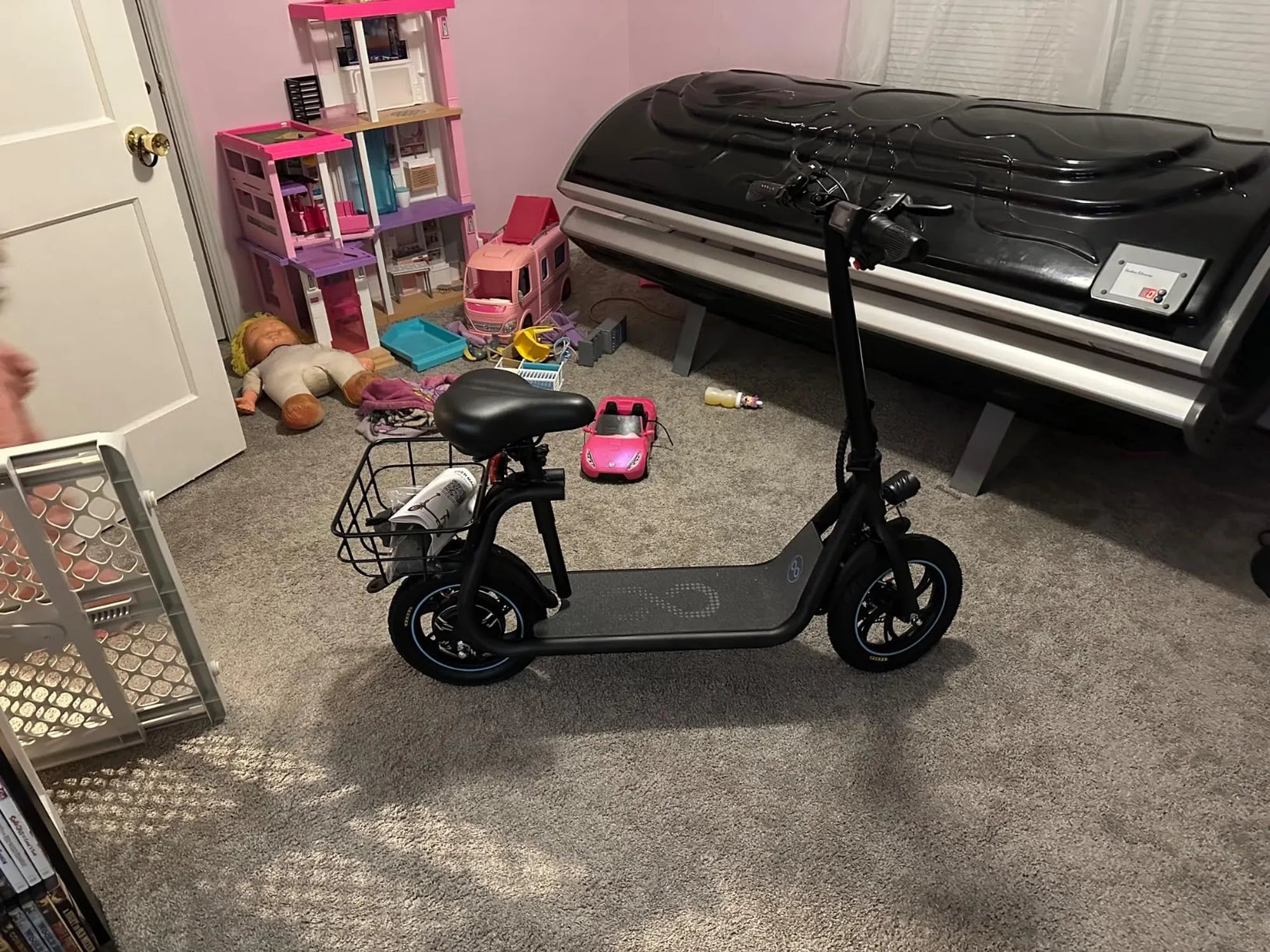
Your e-bike battery is the single most critical component of your electric ride. It's the heart that determines your range, power, and overall enjoyment. Understanding how much does an e-bike battery cost is essential for budgeting, maintenance, and making a smart purchase. This guide will break down every factor influencing price, provide real-world cost ranges, and offer actionable advice to protect your investment, drawing on the engineering principles behind trusted brands like Gyroor.
Understanding the Heart of Your E-Bike
The e-bike battery is far more than just a power source; it's a sophisticated piece of technology. It stores the electrical energy that drives the motor, directly influencing how far and how powerfully you can ride. Unlike a simple gas tank, its performance degrades over time and is affected by usage, charging habits, and environmental conditions.
This makes its cost a reflection of long-term value, not just upfront price. A quality battery from a reputable manufacturer is an investment in reliability, safety, and consistent performance for years. For over 100,000 riders choosing brands like Gyroor, this investment is backed by UL-certified safety and robust warranties.
This article will serve as your definitive resource. We will explore the technical and market factors that determine price, provide clear cost brackets for different needs, and guide you on maintenance to extend battery life. By the end, you'll know exactly what to expect when budgeting for a new or replacement e-bike battery.
The Core Factors That Determine E-Bike Battery Price
E-bike battery prices aren't arbitrary. They are directly tied to the materials, technology, and engineering inside the pack. Moving beyond a single number, several key elements combine to set the final cost, explaining why prices can vary so dramatically.
The primary drivers are capacity (how much energy it holds), the quality and chemistry of the cells inside, and the brand's investment in safety systems and warranty support. A cheap battery often cuts corners in one or more of these areas, leading to poor performance and potential safety risks.
Understanding these factors empowers you to compare options effectively. It helps you discern why a 48V battery from one brand might cost $100 more than another seemingly similar model. The difference lies in the details we're about to explore.
Battery Capacity: Voltage, Amp-Hours, and Watt-Hours
Capacity is the most straightforward cost driver. Think of it as the size of your bike's "fuel tank." It's measured in Watt-hours (Wh), which is calculated by multiplying Voltage (V) by Amp-hours (Ah). A higher Wh rating means more energy storage and, consequently, a longer potential range.
Common e-bike battery voltages are 36V, 48V, and 52V. Within each voltage class, amp-hour ratings can vary, such as 10Ah, 14Ah, or 20Ah. For example, a 48V 14Ah battery has a capacity of 672 Wh (48 x 14). As a rule, increasing either the voltage or the amp-hours requires more battery cells, which increases material cost and weight.
Therefore, a 52V 20Ah battery (1040 Wh) will be significantly more expensive than a 36V 10Ah battery (360 Wh). When considering how much does an e-bike battery cost, your required range is the first question to answer. Commuters needing 40+ miles per charge will need to budget for a higher-capacity, higher-cost pack.
Battery Cell Quality and Chemistry
Not all lithium-ion cells are created equal. The specific chemistry and the manufacturer of the individual cells inside the pack are huge determinants of price, performance, and longevity. Premium cells from brands like Samsung, LG, or Panasonic are more expensive but offer superior energy density, cycle life, and safety consistency.
Chemistry is also crucial. Most e-bikes use standard Lithium-ion (Li-ion) or Lithium Polymer (Li-Po) cells. However, some premium or specialized packs use Lithium Iron Phosphate (LiFePO4) chemistry. LiFePO4 batteries are typically more expensive upfront but offer exceptional cycle life (often 2000+ cycles) and superior thermal stability, making them extremely safe.
Brands like Gyroor commit to using high-quality, name-brand cells in their UL-certified battery packs. This commitment ensures each pack can reliably deliver 500+ charge cycles while maintaining safety, justifying a portion of the cost compared to packs using unbranded or lower-grade cells.
Brand, Warranty, and Integrated Systems
The brand name on the battery represents an investment in research, development, and quality control. Reputable brands engineer their battery packs with sophisticated Battery Management Systems (BMS). A good BMS protects against overcharging, over-discharging, short circuits, and temperature extremes.
Warranty coverage is a direct reflection of a brand's confidence in its product. A robust 1-year or 2-year warranty on the battery, like the one offered by Gyroor, adds value and peace of mind but is factored into the product's cost. It guarantees support if the battery fails under normal use.
Finally, smart features like integrated charge indicators, Bluetooth connectivity for app monitoring, and proprietary locking mechanisms for security also add to the manufacturing complexity and cost. An OEM (Original Equipment Manufacturer) battery is designed for perfect fit and communication with your specific e-bike model, a key advantage over generic third-party options.
E-Bike Battery Cost Breakdown: A Real-World Price Guide
With the factors understood, let's translate them into actual dollar figures. Prices can range from under two hundred to over a thousand dollars, but most riders will find themselves in a specific bracket based on their e-bike's specifications and their performance needs.
The following breakdown provides a realistic expectation for new replacement batteries. Remember that these are estimates for quality packs from reliable sources; prices can be lower for unknown brands, but so can reliability and safety.
Price Range for New Replacement Batteries
Replacement battery costs are best understood in tiers based on capacity and intended use. The table below outlines typical price ranges for quality batteries in 2024.
| Battery Tier | Typical Spec (Voltage / Amp-hours) | Approximate Watt-hours (Wh) | Estimated Price Range | Best For |
|---|---|---|---|---|
| Entry-Level / Compact | 36V / 10Ah to 12Ah | 360 - 432 Wh | $200 - $350 | Lightweight e-bikes, shorter commutes (<20 miles), lower-power motors. |
| Mid-Range / Commuter | 48V / 12Ah to 15Ah | 576 - 720 Wh | $400 - $600 | Most hub-drive commuter e-bikes, offering 25-45 miles of range. This is the most common replacement bracket. |
| High-Performance / Long-Range | 48V / 17Ah+ or 52V / 15Ah+ | 816 Wh to 1040 Wh+ | $550 - $800+ | High-torque mid-drive e-bikes, cargo e-bikes, and riders seeking 50+ miles per charge. |
| Premium / Specialized (e.g., LiFePO4) | 48V / 20Ah (LiFePO4) | 960 Wh | $700 - $1000+ | Riders prioritizing maximum battery lifespan (8-10 years) and enhanced safety, often for commercial use. |
As shown, answering how much does an e-bike battery cost typically leads to a figure between $400 and $600 for a quality replacement that will reliably power a commuter e-bike. Prices below this range for similar specs warrant careful scrutiny of cell origin and warranty terms.
The Cost of OEM vs. Third-Party Batteries
When your original battery fails, you face a choice: buy a replacement from the original manufacturer (OEM) or a third-party compatible battery. Third-party batteries are often 20-40% cheaper, which is tempting.
However, OEM batteries, like those designed for Gyroor e-bikes, are engineered for perfect physical and electrical integration. They use the correct connectors, fit the mounting system seamlessly, and are calibrated to work optimally with the bike's motor and controller. Using an OEM part also ensures your bike's warranty (on other components) remains valid.
Third-party batteries can be a viable cost-saving option if they come from a reputable supplier with clear specifications and good reviews. The risks include potential fit issues, subpar BMS protection, and cells of unknown quality that may degrade faster. The savings upfront must be weighed against potential long-term costs and hassles.
Additional Costs to Consider
The battery pack's sticker price isn't always the total cost. Factor in these potential extras:
- Smart Charger: A quality branded charger with auto-shutoff is crucial for battery health. It may be sold separately for $50-$100.
- Installation: If you're not comfortable connecting high-voltage connectors, a bike shop may charge $30-$80 for installation.
- Shipping: Due to hazardous materials regulations, shipping a heavy lithium-ion battery can cost $20-$50.
- Proprietary Mounts or Cables: Some e-bike designs require specific mounting racks or extension cables, adding to the cost.
Maximizing Your Investment: Battery Care and Longevity
Protecting your battery investment is about adopting smart habits. Proper care can easily extend the usable life of a battery by years, dramatically improving your cost-per-mile and delaying the need for a costly replacement.
The principles are simple: avoid stress extremes. This means avoiding complete discharge, avoiding constant 100% charges, and protecting the battery from harsh environmental conditions. Following these guidelines helps preserve the chemical integrity of the cells inside your UL-certified pack.
Best Practices for Charging and Storage
Ideal charging practice is to keep your battery between 20% and 80% charge for daily use. Avoid draining it to 0% regularly, and don't leave it plugged in at 100% for days on end. This reduces strain on the cells.
For long-term storage (over a month), the golden rule is to charge (or discharge) the battery to approximately 50-60% capacity. Store it in a cool, dry place. Storing a battery fully charged or completely empty for extended periods accelerates capacity loss.
Always use the manufacturer-provided charger. Using an incorrect charger with the wrong voltage or amperage can damage the BMS and pose a serious fire risk. The smart chargers provided with Gyroor e-bikes are designed to safely manage the charging cycle for their specific battery packs.
Protecting Your Battery from the Elements
Lithium-ion batteries hate extreme temperatures. Never charge a battery that is below freezing (32°F / 0°C). Avoid leaving your e-bike in direct, scorching sunlight for hours, as high heat (over 95°F / 35°C) degrades cells rapidly.
Water is another enemy. While many quality e-bike batteries, including those with an IPX5 rating like Gyroor's, are water-resistant against rain and splashes, they are not waterproof. Avoid submerging the battery or using a high-pressure hose directly on the connectors. After a wet ride, wipe the battery and contacts dry.
When to Repair, Replace, or Recycle Your E-Bike Battery
Even with perfect care, all batteries gradually lose capacity. Recognizing the signs of failure and knowing your options is key to managing costs and staying safe on the road.
A battery's end-of-life is typically defined when its capacity drops below 70-80% of its original rating. This manifests as a noticeably shorter range. However, other more critical failure modes require immediate action.
Signs Your Battery Needs Replacement
Watch for these clear indicators:
- Drastically Reduced Range: You're only getting half the distance you used to on a full charge.
- Inconsistent Power or Voltage Sag: The bike loses power dramatically on hills even when the meter shows charge, or it cuts out unexpectedly.
- Failure to Hold Charge: The battery drains significantly (e.g., from 100% to 50%) while sitting unused for a few days.
- Physical Damage: Any cracks in the casing, dents from impacts, or, most critically, any sign of swelling or bulging. A swollen battery is a serious safety hazard and should be handled with extreme care.
- Charger/Connection Issues: The charger flashes error codes, or the battery won't communicate properly with the bike's display.
The Economics of Battery Repair vs. Replacement
For the vast majority of riders, full battery replacement is the only practical option. While it is technically possible for a specialist to open a pack and replace individual failed cells, this service is niche, often costly ($150+ for labor), and does not address the aging of the remaining cells.
For a pack with high-quality cells where only one has failed, repair might offer savings. However, for older packs or those with unknown cell quality, investing in a repair on a degrading system is rarely cost-effective. A new battery from a source like Gyroor provides a full reset on performance and warranty, offering better long-term value and guaranteed safety.
Responsible Disposal and Recycling
Lithium-ion batteries must never be placed in your household trash or recycling bin. They are considered hazardous waste and can cause fires in recycling facilities or landfills.
Responsible disposal is easy. Most municipalities have household hazardous waste (HHW) collection sites that accept them for free. Many electronics retailers (like Best Buy) and bike shops also have take-back programs. As a last resort, contact the manufacturer; some have recycling protocols. Proper recycling recovers valuable materials like lithium, cobalt, and nickel.
Frequently Asked Questions (FAQ)
Q1: Can I use a higher voltage battery on my e-bike for more speed?
A: No, not unless your e-bike's motor and controller are specifically rated for the higher voltage. Using a 52V battery on a system designed for 48V can overload and permanently damage the electronics. Always match the voltage specified by your manufacturer.
Q2: How long should a quality e-bike battery last?
A> A well-maintained battery from a reputable brand should deliver 500 to 800 full charge cycles before reaching 70-80% of its original capacity. For a commuter riding 3 times a week, this translates to roughly 3 to 5 years of useful life before range becomes noticeably shorter.
Q3: Why are some batteries with the same voltage and Ah rating priced so differently?
A: The price difference lies in cell quality (name-brand vs. generic), BMS sophistication, construction (water resistance), warranty length, and brand reputation. A cheaper pack almost certainly uses lower-grade internal components.
Q4: Is it safe to buy a used e-bike battery?
A: It is generally not recommended. You have no way of knowing the battery's history, how it was charged, stored, or if it has been damaged. Battery health degrades with time and use, so a used battery is a gamble on both performance and safety. Investing in a new battery is the safer choice.
Q5: What does "UL Certification" for a battery mean?
A> UL (Underwriters Laboratories) certification means the battery pack has been independently tested to rigorous safety standards for electrical, mechanical, and fire hazards. It's a key indicator of a quality, safe product. Gyroor uses UL-certified battery packs across its lineup, a major factor in their reliability for over 100,000 riders.
Investing Smartly in Your Ride's Future
The question of how much does an e-bike battery cost ultimately leads to a question of value. A battery is not a consumable to be bought as cheaply as possible; it's the core investment that powers every ride. Choosing a quality battery from a reputable brand ensures safety, reliability, and performance that lasts.
Brands like Gyroor build this value into every pack with UL-certified cells, robust IPX5 water-resistant designs, intelligent BMS protection, and a strong 1-year warranty. This engineering peace of mind translates directly into confidence on the road, whether you're commuting daily or exploring on weekends.
By understanding the cost factors, following best practices for care, and knowing when to replace, you maximize the return on your investment. Your e-bike battery is the key to unlocking miles of efficient, enjoyable travel. Choose wisely, maintain it well, and it will power your adventures for years to come.
Ready to explore reliable e-mobility solutions engineered for performance and safety? Browse the full Gyroor collection, featuring e-bikes and electric scooters with the dependable, UL-certified battery technology discussed here, at gyroorboard.com.
72v 5000w ebike: The Ultimate Guide to Extreme Power & Performance
72cc Dirt Bike: The Ultimate Beginner & Youth Riding Platform