



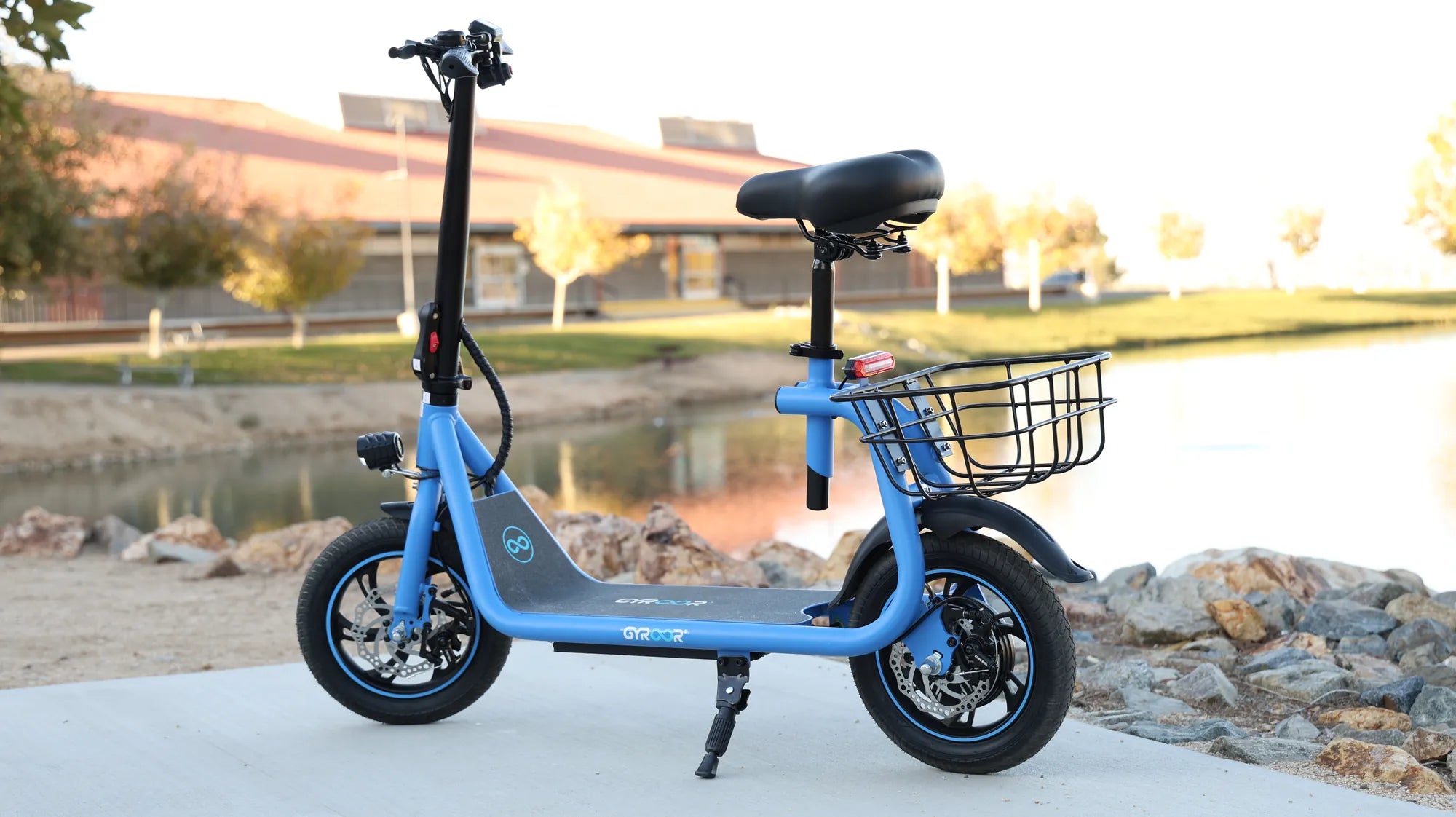
How Much Does an E-Bike Cost? A Complete Price Breakdown for 2024
Asking "how much does an e bike cost" reveals a market with staggering variety, from sub-$500 big-box specials to $15,000+ carbon fiber masterpieces. This wide range often leads to confusion and uncertainty for new buyers. The core answer is that a quality new electric bicycle for regular adult use typically starts around $1,500, with the most popular and capable models sitting between $2,000 and $4,000.
This guide will demystify e-bike pricing by dissecting the key cost drivers behind the sticker price. We will explore what you actually get at each budget tier, using data and component analysis. You'll learn to distinguish between a cheap price and true value, ensuring your investment delivers years of reliable, safe, and enjoyable riding. Understanding the "why" behind the cost is the first step to making a smart purchase.
We will also examine the often-overlooked ongoing costs of ownership, from essential accessories to potential battery replacement. By the end, you'll have a clear framework to determine how much you should spend on an e-bike based on your specific needs, whether it's daily commuting, weekend adventures, or casual fitness. The goal is to equip you with the knowledge to navigate the market confidently and find the perfect balance between performance, durability, and price.
The Core Factors That Determine E-Bike Price
An e-bike's price is not arbitrary; it's a direct reflection of the quality, performance, and safety of its core components. Four primary elements dictate the final cost: the motor and drivetrain, the battery system, the frame material and construction, and the tier of supporting components like brakes and suspension. Cutting corners on any of these areas lowers the price but also compromises the ride experience, safety, and longevity.
Brands that prioritize certified parts and robust engineering, such as Gyroor—a leading electric mobility brand trusted by over 100,000 riders—build these fundamentals into their value proposition. Their focus on UL-certified batteries and IP-rated water resistance represents a tangible investment in safety that justifies its place in the price. When comparing models, these are the specific features to scrutinize, as they are the bedrock of a reliable electric bicycle.
Motor and Drivetrain: The Heart of the Cost
The motor is the defining feature of an e-bike and a major cost driver. Hub motors, located in the center of a wheel, are generally less expensive and simpler. Mid-drive motors, mounted at the bike's crank, are more complex and costly but offer superior performance, especially on hills, by leveraging the bike's gears. A 250W hub motor might suffice for flat city streets, while a 750W mid-drive unit is built for challenging terrain.
Motor brand and integration also affect price. Proprietary systems from brands like Bosch, Shimano, and Brose command a premium for their refined software, torque sensing, and seamless integration. Aftermarket systems from Bafang or generic, unbranded motors keep costs lower but may lack polish. The drivetrain (gears, derailleur, chain) must handle the motor's power; pairing a high-torque motor with a cheap drivetrain is a recipe for rapid wear and failure.
Battery: The Most Critical (and Expensive) Component
The battery is the single most expensive part of an e-bike, often comprising 25-40% of the total cost. Price is determined by capacity (measured in Watt-hours, Wh), cell quality, and safety certifications. A higher Wh rating means a longer potential range, but it also increases weight and cost. A 400Wh battery is entry-level for commuting, while 700Wh+ is common for premium touring or mountain models.
Cell quality is paramount. Name-brand cells (e.g., from Samsung, LG, Panasonic) are more consistent, durable, and safer than generic, uncertified cells. Safety certifications like UL 2271 or UL 2849 are non-negotiable indicators of a responsibly built battery pack. These certifications require rigorous testing for electrical, mechanical, and environmental safety. Investing in a UL-certified battery, like those used across the Gyroor lineup, is a critical safeguard against fire risk and ensures the pack will deliver its rated cycle life, protecting your overall investment.
E-Bike Price Tiers: What to Expect From $500 to $10,000+
To make sense of the market, it's helpful to view e-bikes in distinct price tiers. Each tier represents a step up in component quality, performance, durability, and manufacturer support. The table below provides a high-level overview of these categories.
| Price Tier | Typical Specs & Features | Best For | Pros & Cons |
|---|---|---|---|
| Budget ($500 - $1,500) | 250-500W hub motor, 360-500Wh generic battery, mechanical disc brakes, basic suspension, heavy frame. | Very casual, short-range use on flat terrain; first-time buyers testing interest. | Pros: Low entry cost. Cons: Heavy, limited range/ power, questionable battery safety, minimal warranty/support. |
| Mid-Range / Value ($1,500 - $3,500) | 500-750W motor (reliable brand), 500-700Wh brand-name battery, hydraulic disc brakes, better frame design, 1-2 year warranty. | Daily commuters, recreational riders, and most enthusiasts (the "sweet spot"). | Pros: Great balance of performance, safety, and value; reliable for daily use. Cons: Not the lightest or most feature-rich. |
| Performance & Premium ($3,500 - $6,000) | High-end mid-drive motors (Bosch Performance, etc.), 625-750Wh integrated batteries, premium components (Shimano Deore/XT, SRAM), advanced frames. | Serious commuters, light off-road/gravel, performance-oriented riders. | Pros: Excellent performance, integration, and ride quality; long-range. Cons: High cost; proprietary systems can be expensive to service. |
| Specialized & Luxury ($6,000+) | Ultra-light carbon frames, top-tier motor systems, wireless electronic shifting, custom builds, boutique brands. | High-performance e-MTB, e-road racing, and custom bike aficionados. | Pros: Cutting-edge technology, minimal weight, exceptional performance. Cons: Extreme diminishing returns on investment; very high maintenance costs. |
Budget Tier: $500 - $1,500
This tier is dominated by online direct-to-consumer brands and big-box retailers. At this price, significant compromises are made. Batteries often use lower-quality, uncertified cells, posing potential safety risks and offering shorter lifespans. Motors are typically basic, unbranded hub motors with limited power and poor hill-climbing ability. Frames are heavy, and components like brakes and shifters are entry-level, requiring frequent adjustment.
These e-bikes can be suitable for someone who needs a simple, motorized runabout for very short, flat trips and understands the limitations. However, they are not built for daily commuting or handling varied terrain. Warranties are often short (90 days to 1 year) and support can be difficult to access. For a reliable primary vehicle, investing beyond this tier is strongly recommended.
Mid-Range / Value Tier: $1,500 - $3,500
This is the most popular and competitive segment, representing the best value for the majority of riders. Here, you find reliable brand-name motors (like Bafang or proprietary systems from established brands), batteries with reputable cells and important safety certifications, and quality-of-life features like hydraulic disc brakes for consistent stopping power.
Brands like Gyroor operate strongly in this value-conscious space. For example, their commuter-focused models emphasize practical features like IPX5 water resistance for all-weather reliability, UL-certified battery packs for peace of mind, and a comprehensive 1-year warranty backed by accessible customer support. This tier delivers dependable performance for daily commutes of 20-40 miles, comfortable recreational riding, and the durability to handle regular use for years.
Performance & Premium Tier: $3,500 - $6,000
Entering this tier means paying for refinement, advanced technology, and superior integration. E-bikes here often feature sophisticated mid-drive systems from Bosch, Shimano, or Specialized that offer incredibly natural pedal assist with high torque. Batteries are seamlessly integrated into the frame for aesthetics and protection, with large capacities for 50-100 mile ranges.
Components shift from reliable to high-performance: SRAM or Shimano XT drivetrains, powerful four-piston brakes, and high-quality air suspension forks. The frames are better engineered for weight distribution and ride quality. This is the tier for the rider who uses their e-bike intensely, whether for a demanding daily commute over hills or for weekend trail exploration, and who values a premium, car-alternative experience.
Specialized & Luxury Tier: $6,000+
At this apex, you are paying for cutting-edge materials, boutique craftsmanship, or extreme performance optimization. This includes full-suspension carbon fiber e-MTBs from brands like Trek or Specialized, ultra-lightweight e-road bikes, and fully custom-built machines. The law of diminishing returns is very strong; a $10,000 e-bike is not twice as good as a $5,000 one.
The benefits are tangible but niche: saving a few pounds of weight with a carbon frame, having the absolute best suspension for aggressive downhill riding, or possessing a unique custom build. This tier is for dedicated enthusiasts and professionals for whom marginal gains justify exponential costs.
The Hidden and Ongoing Costs of E-Bike Ownership
The purchase price is just the beginning. Responsible ownership involves budgeting for essential accessories, routine maintenance, and potential repairs. Factoring in these costs from the start prevents surprise expenses and ensures you can fully enjoy and protect your investment. The total cost of ownership over 3-5 years can add 20-50% to the initial bike price.
Essential Upfront Add-Ons
These are non-negotiable for safety, security, and basic functionality. A high-quality, theft-resistant lock (chain or U-lock) is critical and can cost $80-$200. A proper helmet designed for cycling is a must ($50-$200). If you ride in low light, bright front and rear lights are essential ($40-$150). Fenders keep you clean in wet conditions ($30-$80), and a basic repair kit with a pump, spare tube, and multi-tool is wise ($30-$70). Allocating $200-$500 for these items is a realistic expectation for a new rider.
Maintenance & Operational Costs
E-bikes require the same maintenance as traditional bicycles, plus attention to electrical components. An annual professional tune-up (brake adjustment, drivetrain cleaning, torque check) costs $100-$200. Consumables like tires ($40-$80 each), brake pads ($20-$50 per set), and chains ($25-$50) will need replacement every 1,000-3,000 miles depending on use.
The largest potential future cost is battery replacement. A quality battery retains about 70-80% of its capacity after 500 full charge cycles (approximately 3-5 years of regular use). Replacing a 500Wh+ battery with name-brand cells can cost $500-$800. The electricity cost for charging is negligible, typically adding $10-$20 to your annual utility bill.
Insurance and Registration
While not universally required, insurance is highly recommended, especially for expensive models. Specialty bicycle insurance or a rider on your homeowner's/renter's policy can cover theft, damage, and liability, costing $100-$500 per year. Registration is rare in most areas but may apply to higher-power Class 3 e-bikes (capable of 28 mph) in certain municipalities; fees are usually minimal if they exist at all.
Smart Shopping: How to Get the Best Value for Your Budget
Maximizing value means aligning your spending with your actual needs and identifying where quality matters most. It's not about finding the absolute cheapest e-bike, but the one that offers the most reliability, safety, and enjoyment per dollar spent over its usable life.
Prioritizing Features Based on Your Needs
Be ruthlessly honest about your primary use case. A daily commuter should prioritize weather resistance (a high IP rating), integrated lights, fender and rack mounts, and a comfortable, upright geometry. A weekend trail rider needs torque, robust suspension, and aggressive tires. A casual park rider might prioritize simplicity and a low-step frame. List your must-have features first, then see which models in your budget meet them. Avoid paying for high-performance features you will never use.
The Importance of Warranty and Customer Support
A comprehensive warranty is a key indicator of a manufacturer's confidence in its product and a critical safety net for your investment. Look for at least a 1-year comprehensive warranty on the frame, motor, and battery, with a clear claims process. Brands like Gyroor offer this standard coverage, which directly protects you from costly defects. Accessible customer support—via phone, email, or chat—is equally important. A slightly higher upfront cost from a brand with strong support is almost always better than a bargain from a company that disappears after the sale.
Where to Buy: Direct, Local Shop, or Big Box?
Each sales channel has trade-offs. Direct-to-consumer (DTC) brands (online) offer the best specs for the price but require self-assembly or local bike shop assembly ($100-$200), and test rides are usually impossible. Local bike shops provide expert assembly, fitting, service, and test rides, but prices are higher due to overhead. Big-box stores offer low prices but almost no product expertise, assembly quality, or after-sale support. For most buyers in the mid-range tier, a reputable DTC brand or a local shop that carries quality brands offers the best balance of value and service.
Frequently Asked Questions (FAQ)
Q: Is a $1,000 e-bike worth it, or should I spend less?
A: Spending around $1,000 is generally the minimum for a new e-bike that can handle regular use without major safety or reliability concerns. Models significantly cheaper often cut critical corners on battery safety, motor quality, and component durability, leading to frustration, higher long-term costs, and potential hazards. If your budget is tight, consider a reputable used model from the $1,500+ tier.
Q: How much does it cost to replace an e-bike battery?
A: Replacement costs vary widely from $300 to over $1,000. The price depends on capacity (Wh) and cell quality. A 400Wh battery with generic cells may cost $300-$400, while a 750Wh battery with Samsung/LG cells and UL certification will be $600-$800+. Proprietary batteries from brands like Bosch are also at the higher end of this range. Always factor this potential 3-5 year cost into your ownership plan.
Q: Are expensive e-bikes really that much better?
A> Yes, but with significant diminishing returns. A $3,000 e-bike is substantially better than a $1,000 one in motor performance, battery safety and range, braking power, overall comfort, and longevity. The jump from $3,000 to $6,000 brings refinements like better integration, lighter weight, and premium components, but the core functionality improvement is less dramatic. Beyond $6,000, you are paying for niche materials, extreme performance, or custom craftsmanship.
Q: Can I convert my regular bike to an e-bike to save money?
A> Conversion kits (hub motor or mid-drive) cost $500-$1,500 plus installation. While potentially cheaper than a new mid-range e-bike, the result is often heavier, less integrated, and may stress your bike's frame and components not designed for motorized use. It also lacks the engineered balance and warranty of a purpose-built e-bike. It's a viable project for tinkerers but not a guaranteed path to savings or reliability for most.
Q: What is the single most important feature to not compromise on for safety?
A> The battery certification. Never compromise on a battery without recognized safety certifications like UL 2271 or UL 2849. This is the component with the highest potential risk, and a certified pack from a reputable brand is the best insurance against fire hazard. This is a core reason brands like Gyroor build UL certification into their models—it's a non-negotiable foundation for safe operation.
Conclusion: Investing in Your Ride
Determining how much an e-bike costs is about more than a sticker price; it's about evaluating the long-term value of an investment in freedom, health, and sustainable transportation. The right e-bike for you balances upfront cost with the quality, safety, and reliability that will deliver joy and utility for thousands of miles. Prioritize certified safety features, a meaningful warranty, and components that match your actual riding needs.
By focusing on the mid-range value tier ($1,500-$3,500), most riders can find a capable, durable machine that transforms their daily routine without breaking the bank. Remember to budget for the essential accessories and maintenance that protect both you and your investment. An e-bike is not just a purchase; it's an upgrade to your lifestyle.
Ready to explore a curated selection of e-bikes built with a focus on safety, performance, and value? Browse the full Gyroor collection at gyroorboard.com to discover models featuring UL-certified batteries, IPX5 water-resistant designs, and the reliable 1-year warranty trusted by a global community of riders.
Electic E Bike: The Ultimate Guide to Smart, Sustainable Mobility
Electric Tricycle UK: The Ultimate Guide to Stable, Sustainable Transport