

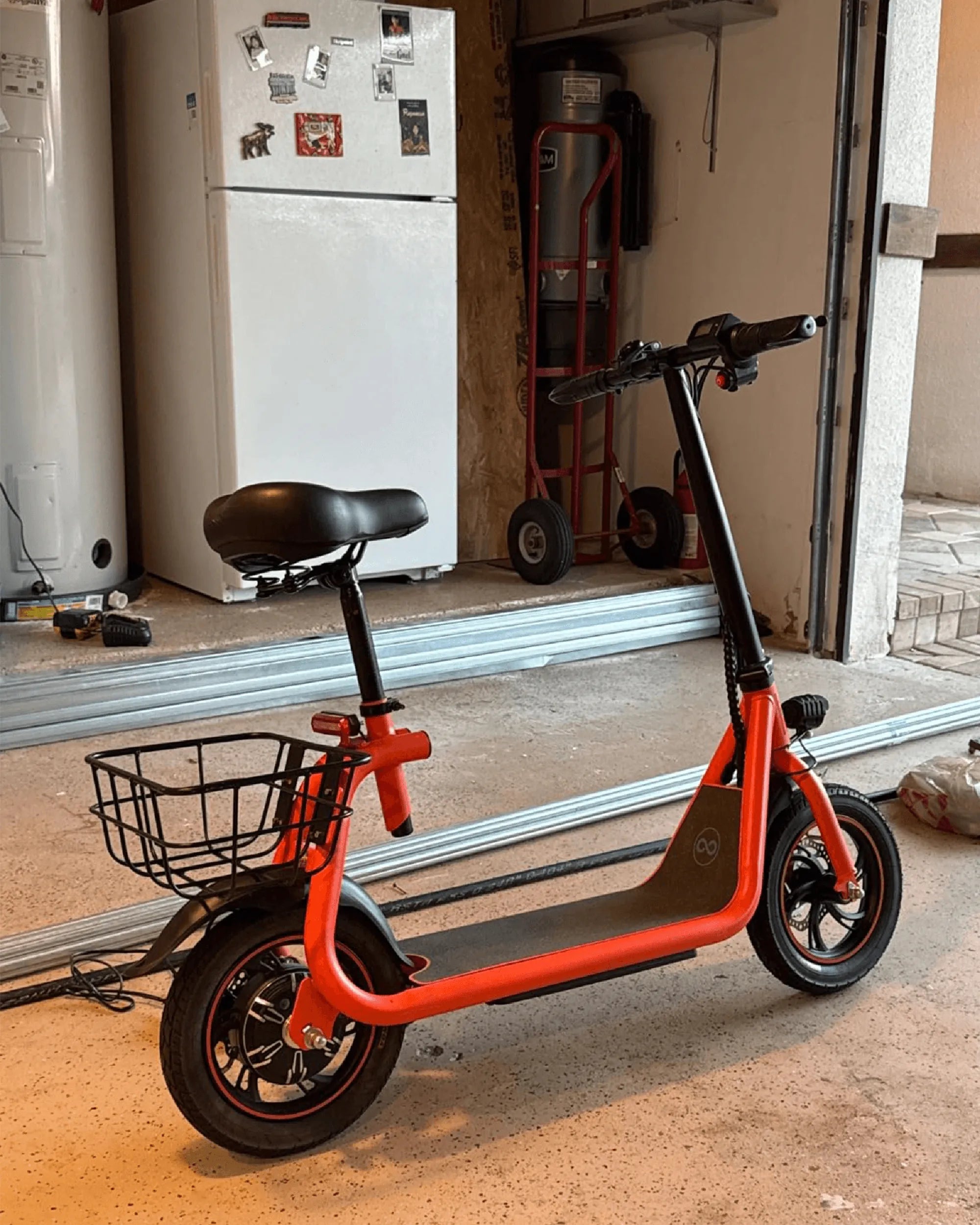
Introduction: Defining the Scooter Bike and Its Value Proposition
The term "scooter bike" commonly refers to electric kick scooters and seated electric scooters, representing a hybrid category of personal electric vehicles. These machines offer a compelling value proposition: cost-effective, efficient, and enjoyable urban mobility. Understanding how much for a scooter bike costs requires looking beyond a single price tag. The market presents a broad spectrum, with final pricing determined by performance specifications, build quality, and critical safety features.
This article provides a comprehensive breakdown of scooter bike pricing. We will explore different market tiers, analyze the components that drive cost, and calculate the true long-term ownership expenses. The goal is to equip you with the knowledge to match your budget with a scooter that delivers reliable performance and lasting value. Making an informed decision requires understanding what you are paying for at every price point.
For over 100,000 riders across North America and Europe, brands like Gyroor have demonstrated that quality engineering justifies its price. The investment in a well-built scooter bike translates to daily commuting savings, reduced environmental impact, and pure riding enjoyment. Let's begin by mapping out the primary price categories you will encounter in your search.
The Price Spectrum: From Budget Commuters to Performance Machines
Scooter bike prices are not arbitrary; they correlate directly with capability, durability, and rider experience. The market is segmented into three primary tiers, each serving distinct rider needs and expectations. Knowing these tiers helps set realistic budget expectations before examining specific models and features. The question of how much for a scooter bike is best answered by first identifying which tier aligns with your primary use case.
Entry-level models dominate the lower end of the market, while premium offerings push the boundaries of speed and range. Most commuters find their ideal balance in the mid-range segment. The following breakdown details what you can typically expect within each financial bracket, providing a clear roadmap for your purchasing journey.
Entry-Level ($300 - $600): The Basic Commuter
In the $300 to $600 range, you find fundamental electric scooters designed for light, infrequent use. These models typically feature single, rear-mounted motors rated between 250W and 350W. This provides adequate power for flat terrain and moderate inclines, with top speeds often capped between 15-18 mph. Battery capacity is limited, offering a real-world range of 10 to 15 miles per charge under ideal conditions.
Build quality in this tier prioritizes affordability. Frames are often made from standard aluminum alloys, and many models use solid or honeycomb tires to eliminate the risk of punctures. The trade-off is a noticeably stiffer ride, as suspension systems are minimal or absent. Braking is usually handled by a simple electronic brake paired with a mechanical foot or disc brake.
These scooters are ideal for short, last-mile trips, such as a commute from a train station to an office on paved, smooth paths. They are not built for daily, heavy-duty use or challenging terrain. For a rider with minimal needs and a tight budget, this tier answers the basic question of how much for a scooter bike, but with clear limitations on performance and long-term durability.
Mid-Range ($600 - $1,200): The Balanced Performer
The $600 to $1,200 range is considered the sweet spot for most daily commuters and regular riders. Here, you encounter significant upgrades in power, comfort, and reliability. Motors are more robust, typically between 350W and 500W, sometimes even reaching 600W, enabling better acceleration and hill-climbing ability. Top speeds often range from 19 to 24 mph.
Battery capacity increases substantially, with many models boasting 30-40 miles of stated range. Real-world conditions typically yield 15-25 miles, which covers most round-trip commutes. This tier almost universally features pneumatic (air-filled) tires, which provide superior traction and shock absorption compared to solid tires. A proper suspension system—spring or hydraulic—becomes standard, drastically improving ride comfort on uneven surfaces.
Enhanced safety features are a key differentiator. Dual braking systems, combining disc and electronic brakes, are common. Build quality improves with reinforced frames and better waterproofing. When evaluating how much for a scooter bike, this tier offers the best balance of performance, comfort, and daily practicality for the average urban rider.
Premium ($1,200 - $2,500+): The High-Performance Explorer
The premium tier, starting around $1,200 and exceeding $2,500, is reserved for high-performance, long-range, and off-road capable machines. These scooters are engineered for enthusiasts, long-distance commuters, and riders seeking adventure. They often feature dual motor setups with a combined power output of 1000W to 2000W+, enabling exhilarating acceleration and top speeds of 30-40+ mph.
Range anxiety disappears with massive battery packs offering 40 to 70+ miles of real-world range. Construction utilizes aerospace-grade aluminum alloys and sophisticated designs to manage the increased power and weight. Advanced dual or triple suspension systems, large off-road pneumatic tires, and ultra-bright lighting systems are standard.
This tier also introduces smart features like Bluetooth connectivity, companion apps for ride customization, and advanced display panels. For riders asking how much for a scooter bike that acts as a car replacement for urban travel or a trail-conquering vehicle, this is the investment level. The price reflects cutting-edge technology, extreme durability, and top-tier componentry.
Beyond the Sticker Price: Key Factors That Determine Cost
The final price of a scooter bike is a direct sum of its parts and engineering. Understanding these core components allows you to decode product specifications and assess true value. A scooter with a seemingly low price may cut corners on essential elements like battery safety or motor quality, leading to higher long-term costs. The key is to identify where manufacturers invest in quality.
Major cost drivers include the powertrain (motor and battery), the chassis (frame and suspension), and the integration of safety certifications. Premium materials and rigorous testing protocols add to manufacturing expense but pay dividends in reliability and rider safety. Let's dissect these critical factors to understand what you are truly paying for when you invest in a scooter bike.
The Heart of the Ride: Motor Power & Battery Capacity
The motor and battery are the most expensive single components. Motor power, measured in watts (W), dictates performance. A higher-wattage motor provides stronger torque for climbing hills and faster acceleration, but it also consumes more energy. Dual-motor configurations, which power both wheels, offer maximum traction and power but come at a significant cost premium.
Battery capacity, measured in watt-hours (Wh) or amp-hours (Ah), is the primary determinant of range. Larger capacity batteries use more lithium-ion cells, which are costly. However, not all batteries are equal. The quality of the battery cells (e.g., LG, Samsung) and the sophistication of the Battery Management System (BMS) are crucial. A high-quality BMS protects against overcharging, overheating, and deep discharge, dramatically extending battery life and safety.
When considering how much for a scooter bike, prioritize the battery's stated watt-hour (Wh) rating over vague "mile range" claims, as Wh is a direct measure of energy capacity. A scooter with a 500Wh battery will generally outlast one with a 250Wh battery, assuming similar efficiency, justifying a higher price point.
Built to Last: Frame, Suspension, and Tires
The chassis is the skeleton of the scooter. A frame made from high-grade, reinforced aluminum alloy is lighter and stronger than cheaper alternatives, improving handling and durability. The welding and finishing quality are also telltale signs of manufacturing standards. A poorly welded joint is a potential failure point, especially under the stress of daily use or rough terrain.
Suspension is a major comfort and control upgrade. Basic spring suspensions are common in mid-range models, while premium scooters use hydraulic or rubber cartridge systems for smoother damping. The presence and quality of suspension directly impact ride quality on imperfect pavement, adding to the scooter's cost but also its versatility and comfort.
Tire choice is critical. Solid tires are maintenance-free but provide a harsh ride and less grip. Pneumatic (air-filled) tires offer superior cushioning and traction but require occasional inflation and are susceptible to punctures. Some premium models feature tubeless pneumatic tires with sealant, a best-in-class solution that combines comfort with puncture resistance. Each step up in tire technology contributes to the final answer of how much for a scooter bike.
Safety & Certification: The Value of Trust
This is the most critical, yet often overlooked, cost factor. Safety certifications are not optional; they are non-negotiable indicators of a responsible manufacturer. The battery pack is the single most important safety component. UL 2271 certification is the gold standard for lithium-ion batteries in light electric vehicles, indicating they have passed rigorous electrical, mechanical, and environmental stress tests.
Investing in a scooter with a UL-certified battery, like those used across the Gyroor lineup, is investing in peace of mind. It significantly reduces the risk of battery fires—a real concern with uncertified, cheaply made packs. Similarly, a high IP (Ingress Protection) rating like IPX5 indicates a design tested to withstand water jets from any direction. This means you can confidently ride in light rain or through puddles without worrying about water damage to electronics.
These certifications require extensive R&D investment and quality control from the manufacturer. While they may increase the upfront cost, they prevent catastrophic failures, expensive repairs, and potential injury. When calculating how much for a scooter bike, the cost of a certified, safe scooter is always lower than the potential cost of an unsafe one.
The True Cost of Ownership: More Than Just the Purchase
The initial purchase price is only the first part of the financial equation. To understand the full investment, you must account for necessary accessories, potential maintenance, and the financial safety net of a warranty. A cheap scooter with no warranty and high maintenance needs can quickly become more expensive than a slightly pricier, well-supported model. A holistic view of cost is essential for budget planning.
Owning a scooter bike is generally far cheaper than owning a car, but it is not maintenance-free. Factoring in these additional costs from the beginning prevents surprises and ensures you can fully enjoy your new vehicle. Let's break down the typical ongoing and one-time costs associated with responsible scooter ownership.
The Hidden Essentials: Helmet, Lock, and Maintenance
Safety gear is mandatory, not optional. A high-quality bicycle or multi-sport helmet meeting CPSC or CE standards costs between $50 and $150. This is a non-negotiable first purchase. Next, a robust lock is crucial for securing your investment. A heavy-duty U-lock or a high-security folding lock from a reputable brand like Kryptonite or Abus will cost $50 to $100.
Maintenance costs are relatively low but predictable. Pneumatic tires may need replacement every 500-1000 miles depending on use, costing $20-$40 per tire. Brake pads wear down and require replacement; a set typically costs $15-$30. Tubes for pneumatic tires are another small, occasional expense. Keeping a basic toolkit for tire changes and adjustments is also advisable. Allocating $50-$100 annually for maintenance and parts is a reasonable estimate for a mid-range scooter used regularly.
The Warranty & Support Safety Net
The warranty is your financial protection against manufacturing defects and premature component failure. A comprehensive warranty can save you hundreds of dollars in repair costs. Look for a warranty that covers the frame, motor, battery, and controller for a significant period. Many reputable brands, including Gyroor, offer a 1-year comprehensive warranty on the entire scooter, with specific longer coverage for the battery.
The quality of customer support is part of the warranty's value. Access to responsive, knowledgeable support teams, preferably with local service centers or streamlined parts distribution, is invaluable. A brand with a strong track record of honoring warranties and supporting over 100,000 riders, like Gyroor, provides confidence that your investment is protected. This support infrastructure is built into the product's price but delivers immense long-term value.
Gyroor Scooter Bikes: Where Quality Meets Value
Positioned firmly in the mid-range to premium segments, Gyroor exemplifies how targeted engineering and strict safety standards create compelling value. The brand's philosophy centers on delivering reliable performance without compromising on the critical safety features that protect riders and their investment. By integrating UL-certified batteries and IPX5 water resistance as standard across its lineup, Gyroor addresses the core concerns of durability and safety head-on.
This approach ensures that when a customer evaluates how much for a scooter bike from Gyroor, they understand the price includes certified safety, robust construction, and dependable post-purchase support. The brand's models are designed to meet the demands of daily commuting and recreational riding, offering a balanced specification sheet that prioritizes real-world usability over mere headline speed numbers.
Model Spotlight: Finding Your Match
Gyroor's range offers clear examples of the price-to-performance tiers. A model like the Gyroor C1 series fits into the balanced performer category, featuring a powerful motor suitable for hills, a range covering most commutes, and the essential UL-certified battery and IPX5 rating. Its pricing reflects these quality components and the included 1-year warranty, offering a complete package for the daily rider.
For those seeking higher performance, Gyroor's premium models step into the high-performance explorer tier. These scooters boast dual motor configurations, extended range batteries, and advanced suspension systems for tackling varied terrain. Even at this elevated performance level, the foundational commitment to UL certification and water resistance remains, ensuring that increased power does not come at the expense of safety or reliability. This consistency is a hallmark of the brand's value proposition.
Scooter Bike Price Comparison Table
| Feature / Tier | Entry-Level ($300-$600) | Mid-Range ($600-$1,200) | Premium ($1,200-$2,500+) |
|---|---|---|---|
| Typical Motor | 250W - 350W Single | 350W - 600W Single | 1000W+ Dual Motor |
| Real-World Range | 10 - 15 miles | 15 - 25 miles | 25 - 50+ miles |
| Max Speed | 15 - 18 mph | 19 - 24 mph | 25 - 40+ mph |
| Suspension | Basic or None | Spring / Hydraulic | Advanced Dual/Triple |
| Tires | Solid / Honeycomb | Pneumatic | Large Pneumatic (Off-road) |
| Braking System | E-Brake + Basic Disc | Dual Disc + E-Brake | Hydraulic Disc + E-Brake |
| Battery Certification | Rare | Common (e.g., Gyroor UL) | Standard (UL Certified) |
| Water Resistance | Low or Unrated | IPX4 - IPX5 | IPX5 - IPX6 |
| Warranty | ≤ 6 Months (Limited) | 1 Year Comprehensive | 1-2 Year Comprehensive |
| Best For | Short, Infrequent Trips | Daily Urban Commuting | Performance, Long Range, Off-Road |
Frequently Asked Questions (FAQ)
How much for a scooter bike that can handle hills?
For consistent hill climbing, you should look at least to the mid-range tier ($600+). A motor with a sustained power rating of 500W or more is recommended. Scooters with dual motors provide the best hill-climbing performance but start in the premium price range ($1,200+). Always check the manufacturer's stated hill grade capability.
Is it worth buying a cheap scooter bike under $400?
Scooters under $400 can be suitable for very light, occasional use on perfectly flat ground. However, they often lack power, range, and critically, safety certifications for their batteries. For daily or reliable transportation, investing more in the $600-$900 range for a model with a UL-certified battery and better construction provides significantly better value and safety.
What is the most important feature to justify a higher price?
Without question, a UL-certified battery pack is the most critical feature justifying a higher price. It is the single biggest factor in preventing fire hazards and ensuring long-term battery health. Following that, a robust motor for your terrain, a good suspension for comfort, and a strong warranty from a reputable brand are key value indicators.
How long does a scooter bike battery last before needing replacement?
A quality lithium-ion battery from a reputable brand with a good BMS is typically rated for 500-1000 full charge cycles. With regular use, this translates to 2-4 years before you may notice a significant reduction in range. Proper care (avoiding full discharges, not storing at full charge for long periods) can extend this lifespan. Cheaper, uncertified batteries may fail much sooner.
Are expensive scooter bikes harder to maintain?
Not necessarily. While premium scooters have more complex systems like dual motors and advanced suspension, their higher-quality components are often more durable. Maintenance like tire changes, brake adjustments, and software updates is similar across tiers. The key difference is that premium brands usually offer better access to official parts and repair guides.
Making the Smart Investment: Your Buying Checklist
Before finalizing your decision on how much for a scooter bike to spend, work through this actionable checklist. It synthesizes the key lessons from this guide to ensure your purchase aligns with your needs, budget, and safety requirements.
1. Define Your Primary Use Case: Is this for a short last-mile commute, a 10-mile round-trip daily journey, or weekend adventure riding? Your answer dictates the necessary range, power, and durability.
2. Set Your Total Budget: Include the scooter itself PLUS essential accessories: helmet ($50-$150), high-quality lock ($50-$100), and a small maintenance fund ($50-$100).
3. Prioritize Safety Certifications: Make a UL-certified (or equivalent) battery an absolute requirement. Ensure the scooter has a clear IP water resistance rating (IPX4 minimum, IPX5 recommended).
4. Match Specs to Your Terrain: For flat cities, a 350W-500W motor suffices. For hills, seek 500W+ or dual motors. Ensure the range (in watt-hours, Wh) exceeds your daily distance by at least 30% to account for real-world conditions.
5. Verify Warranty & Support: Choose a brand offering at least a 1-year comprehensive warranty with accessible customer support. This protects your investment long after the purchase.
By following this checklist, you move beyond just finding a price to finding true value. The right scooter bike is an investment in freedom, efficiency, and fun. It should deliver reliable service for years, not just a low initial cost. Your final step is to explore vetted options from brands that transparently meet these criteria.
Ready to find a scooter bike that combines performance, safety, and lasting value? Explore engineering-driven models built with certified components and backed by strong customer support. Browse the full Gyroor collection at gyroorboard.com to see how quality and value are engineered into every ride.
Easy Go Scooter: The Ultimate Guide to Effortless Urban Mobility
What Age for Scooter? The Complete Guide to Safe, Age-Appropriate Riding