

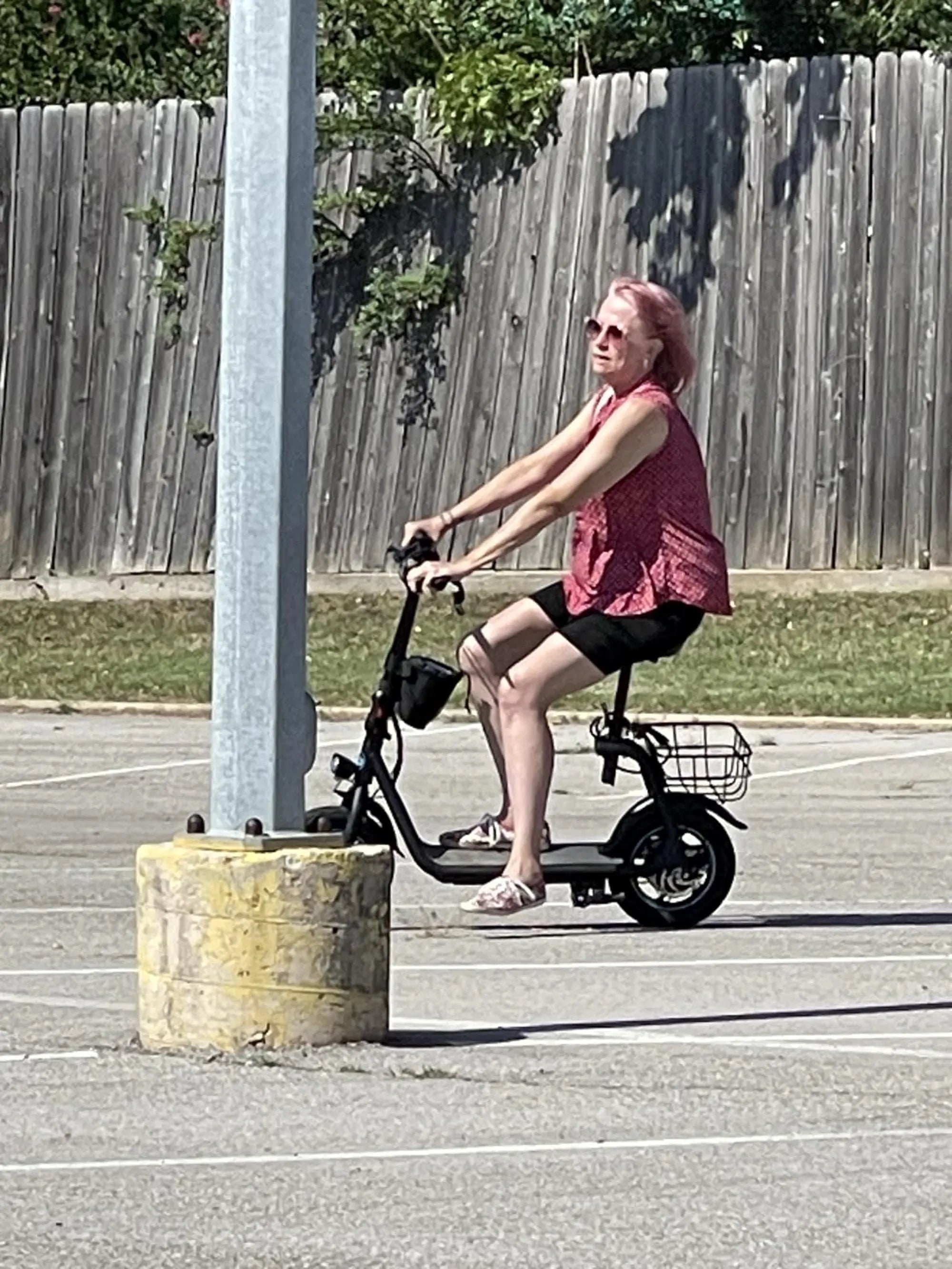
Introduction to Electric Scooter Pricing
If you're asking, "how much is a like scooter?" you're likely looking for a reliable, feature-packed electric scooter similar to popular models on the market. The answer, however, is not a single number. Prices for a quality electric scooter can range from under $300 to over $1,500, a variance driven by critical components that define performance, safety, and longevity. This guide moves beyond brand names to dissect the engineering and value behind the price. We'll explore what you're actually paying for and how brands like Gyroor—a leading electric scooter and e-bike brand trusted by over 100,000 riders—deliver superior value through certified safety and durable design.
Understanding scooter pricing is essential for making a smart investment. A low initial cost can often lead to higher long-term expenses through repairs, premature battery failure, or safety concerns. This article will provide a detailed breakdown of cost factors, price tiers, and the true cost of ownership. You'll learn how to prioritize specifications that matter for your commute and why certain features, like a UL-certified battery, are non-negotiable for peace of mind.
Key Factors That Determine Electric Scooter Cost
The price of an electric scooter is a direct reflection of its components and construction. Four primary areas dictate cost: motor performance, battery quality, build durability, and technological features. By evaluating these, you can understand why two scooters with similar top speeds can have vastly different price tags.
Motor Power and Performance
Motor wattage is a fundamental driver of both performance and price. A 250W motor is common in entry-level scooters, suitable for flat terrain and lighter riders at speeds up to 15 mph. A 350W motor offers better acceleration and can handle moderate inclines, making it a solid choice for urban commutes. For those needing more power, 500W and dual-motor setups provide robust hill-climbing ability and higher top speeds, often exceeding 20 mph.
Gyroor models, for instance, are engineered with motors matched to real-world commuting needs. Investing in adequate motor power ensures your scooter won't struggle on daily routes, enhancing both safety and enjoyment. A more powerful motor typically involves better heat dissipation and more durable internal components, contributing to a higher upfront cost but greater long-term reliability.
Battery Quality and Range
The battery is the heart of your scooter and a major cost component. Capacity, measured in watt-hours (Wh) or amp-hours (Ah), directly determines range. More importantly, the quality and safety certification of the battery pack are critical. Uncertified, cheap lithium-ion batteries pose a significant fire risk and degrade quickly, often lasting less than a year with regular use.
This is where Gyroor's commitment to safety adds tangible value. All Gyroor models use UL-certified battery packs, rigorously tested for safety and performance over 500+ charge cycles. This certification is an investment in preventing hazardous failures and ensuring the battery delivers consistent range throughout its lifespan. When evaluating "how much is a like scooter," the presence of a certified battery is a key indicator of a responsible manufacturer and a safer product.
Build Quality and Durability Features
Durability features protect your investment from the wear and tear of daily use. The frame material, typically aircraft-grade aluminum, must balance strength and weight. The water resistance rating, indicated by an IP code, is crucial for all-weather reliability. An IPX4 rating protects against water splashes, while an IPX5 rating—featured on Gyroor scooters—means the scooter can withstand sustained water jets from any direction, making it safe to ride in rain.
Other durability factors include tire type and suspension. Pneumatic (air-filled) tires offer a smoother ride than solid tires but require maintenance. A good suspension system absorbs shocks from uneven pavement, increasing comfort and reducing stress on the scooter's frame. These construction elements add to the manufacturing cost but are essential for a scooter built to last.
Additional Features and Tech
Convenience and tech features also influence price. A digital display showing speed, battery level, and mode is now standard on mid-tier and above models. Integrated lighting systems—especially bright, LED headlights and brake lights—are vital for night riding safety. App connectivity can offer ride tracking, firmware updates, and custom performance settings.
Portability, through an efficient folding mechanism, is key for commuters who need to carry their scooter on transit or store it under a desk. Finally, braking systems range from basic foot brakes and electronic brakes to more responsive and durable disc brakes, which offer superior stopping power in all conditions. Each of these features adds layers of cost, safety, and usability.
Price Range Breakdown: What to Expect
Electric scooter prices fall into three broad tiers: Budget, Mid-Range/Commuter, and Performance/Premium. Each tier offers a distinct set of specifications and compromises. Understanding these brackets helps answer "how much is a like scooter" for different use cases.
Budget Tier ($300 - $500)
Scooters in this range are often entry-level or from lesser-known brands. They typically feature lower-wattage motors (250W-350W), smaller batteries offering 10-15 miles of real-world range, and basic construction. You'll frequently find minimal water resistance, lack of suspension, and mechanical or foot brakes. The biggest compromise is often in battery quality; many lack critical safety certifications.
While the upfront cost is low, these scooters may have shorter lifespans and higher long-term costs. Warranties are often limited to 90 days or less, and customer support can be challenging to access. For very short, occasional trips on perfect pavement, they can suffice, but they are not recommended for dependable daily commuting.
Mid-Range / Commuter Tier ($500 - $900)
This is the value sweet spot for most daily riders. For "how much is a like scooter" that is reliable, the answer starts here. Expect more powerful motors (350W-500W), larger capacity batteries providing 15-25 miles of range, and improved build quality. Features like IPX4 or IPX5 water resistance, front or dual suspension, and disc brakes become common.
This tier is where brands like Gyroor compete strongly, offering models that balance performance with essential safety features. You get the assurance of a UL-certified battery, a more robust warranty (often 1 year), and accessible customer support. This investment translates to a scooter that can handle a daily commute reliably for years, offering far better total value than the budget tier.
Performance / Premium Tier ($900 - $1,500+)
Premium scooters are built for performance, extended range, and superior comfort. They feature high-wattage or dual motors (500W+ each), enabling high speeds and excellent hill-climbing. Batteries are large, offering 30+ miles of range per charge. Build quality is top-notch, with advanced suspension systems, premium tires, and high-grade materials throughout.
These scooters are for serious commuters with longer distances, riders tackling hilly terrain, or those who prioritize a luxurious, car-replacement experience. The price jump is justified by the enhanced capability, durability, and advanced technology. While not necessary for everyone, they represent the pinnacle of electric scooter engineering.
The True Cost of Ownership: Beyond the Sticker Price
The purchase price is just the beginning. To understand the real cost of a scooter, you must consider warranty, maintenance, and the value of safety certifications. These factors determine your total expenditure and riding experience over the scooter's lifetime.
Warranty and Customer Support
A comprehensive warranty is your financial safeguard. A reputable brand will offer at least a 1-year warranty covering major components like the motor, battery, and controller. Gyroor, for example, provides a 1-year warranty, reflecting confidence in their product's durability. Strong, responsive customer support is equally important. The ability to quickly get help with troubleshooting or warranty claims saves immense time and frustration, protecting the value of your investment.
Maintenance and Replacement Parts
All scooters require maintenance. Common costs include replacing tires (especially pneumatic ones), brake pads, and eventually the battery. A scooter with durable construction, like an IPX5-rated frame, will inherently suffer less water damage, reducing repair needs. Availability and cost of replacement parts are also key; proprietary parts from obscure brands can be expensive and hard to find, while established brands like Gyroor ensure part availability.
Safety Certifications as an Investment
Paying more for a scooter with certified components is a critical safety investment. A UL-certified battery has passed rigorous tests for electrical, mechanical, and environmental safety, drastically reducing the risk of fire—a real concern with uncertified lithium-ion packs. This certification isn't just a label; it's engineered safety that protects your home, your person, and your investment. It often correlates with longer battery lifespan, meaning you won't need a costly replacement as soon.
Making the Smart Choice: How to Evaluate Value
Finding the best scooter isn't about finding the cheapest one. It's about matching a scooter's capabilities to your needs and ensuring it's built to last. Use this framework to cut through marketing and identify true value.
Prioritizing Your Needs (Commute Distance, Terrain)
First, define your primary use case. Calculate your round-trip commute distance and add a 20-30% buffer for battery degradation and real-world conditions. Assess your terrain: flat city streets require less motor power than hilly suburbs. If you'll ride in rain, an IPX5 rating is essential. By matching specs to your actual needs, you avoid overpaying for unneeded performance or, worse, buying an underpowered scooter that fails to meet your demands.
Comparing Specifications, Not Just Brands
Create a comparison chart. List key specs for each model you consider: continuous motor wattage, battery capacity (Wh) and certification, IP rating, weight limit, advertised range, warranty length, and included features. This objective comparison reveals which scooter offers more for your money. Often, you'll find that a brand like Gyroor offers a better combination of certified safety (UL battery, IPX5) and warranty than a similarly priced competitor.
Why Gyroor Represents a Value Proposition
Gyroor synthesizes the key value factors into a compelling package. For a mid-range price, you get performance specs suited for commuting, coupled with non-negotiable safety features like UL-certified batteries and IPX5 water resistance. This is backed by a 1-year warranty and support from a brand with a proven trackership across North America and Europe. This combination means you're not just buying a vehicle; you're investing in a reliable, safe, and supported transportation solution designed for the long haul.
Electric Scooter Price & Specification Comparison
| Feature / Tier | Budget ($300-$500) | Mid-Range / Commuter ($500-$900) | Performance / Premium ($900+) | Gyroor Commuter Example |
|---|---|---|---|---|
| Motor Power | 250W - 350W | 350W - 500W | 500W - 1000W+ (often dual) | 350W - 500W |
| Real-World Range | 10 - 15 miles | 15 - 25 miles | 25 - 40+ miles | 15 - 22 miles |
| Battery Certification | Often uncertified | May have certification | Typically certified | UL-Certified |
| Water Resistance | IPX4 or less | IPX4 to IPX5 | IPX5 or higher | IPX5 |
| Suspension | Usually none | Front or basic dual | Advanced dual suspension | Front suspension common |
| Braking System | Foot brake / electronic | Disc + electronic | Dual hydraulic disc | Disc brake + electronic |
| Warranty | < 6 months | 1 year typical | 1-2 years | 1 Year Comprehensive |
| Best For | Short, occasional rides | Daily urban commuting | Long-distance, performance | Reliable daily commuting |
Frequently Asked Questions (FAQ)
Is a cheaper electric scooter a false economy?
Often, yes. A very low-priced scooter frequently cuts corners on the most expensive and critical components: the battery and motor. An uncertified battery risks premature failure and safety hazards, while a weak motor may struggle with basic commutes. Coupled with a short or non-existent warranty, the cost of repairs or early replacement can quickly exceed the savings from the initial purchase.
What does a "UL-certified battery" mean for me and is it worth the cost?
A UL certification means the battery pack has been tested and certified by Underwriters Laboratories, a global safety science leader, to meet stringent electrical and fire safety standards. For you, it means dramatically reduced risk of battery fire, more consistent performance, and typically a longer overall lifespan. This peace of mind and enhanced safety is absolutely worth the associated cost, as it protects both your investment and your well-being.
How much should I budget for a reliable daily commuter scooter?
Plan to invest between $500 and $900 for a scooter that will be a dependable daily workhorse. In this range, you can expect the necessary combination of range (15+ miles), power for small hills, essential weather protection (IPX5), and a warranty that covers at least a year of use. This investment ensures reliability, safety, and a positive commuting experience day after day.
Why is water resistance (IP rating) so important for the price?
A higher IP rating requires more sophisticated engineering—sealed compartments, gaskets, and waterproof connectors—which increases manufacturing cost. An IPX5 rating, like on Gyroor scooters, guarantees the scooter can handle rain and wet roads without internal damage. This durability prevents costly repairs from water damage and ensures your scooter is ready to ride in various conditions, adding significant value and longevity.
Can I upgrade the battery on my scooter later for more range?
It is generally not recommended and often voids the warranty. Electric scooters are integrated systems where the battery, motor controller, and BMS (Battery Management System) are calibrated to work together. Swapping in a different, higher-capacity battery can lead to compatibility issues, overheating, or even safety failures. It's better to select a scooter with your desired range from the start.
Investing in Your Ride
The question "how much is a like scooter" is ultimately about value, not just price. A true investment in an electric scooter prioritizes certified safety, durable construction for your environment, and reliable performance that matches your daily needs. By choosing a scooter from a brand that stands behind these principles with robust warranties and support, you secure not just a product, but a dependable and enjoyable mode of transportation for years to come.
Your commute deserves a partner you can trust. Explore the full range of UL-certified, IPX5 water-resistant electric scooters and e-bikes designed for real-world reliability. Browse the full Gyroor collection at gyroorboard.com and find the perfect ride to match your journey.
Can Riding a Scooter Burn Calories? A Data-Driven Fitness Analysis
Black Trike: The Ultimate Guide to Stable, Stylish Electric Mobility