



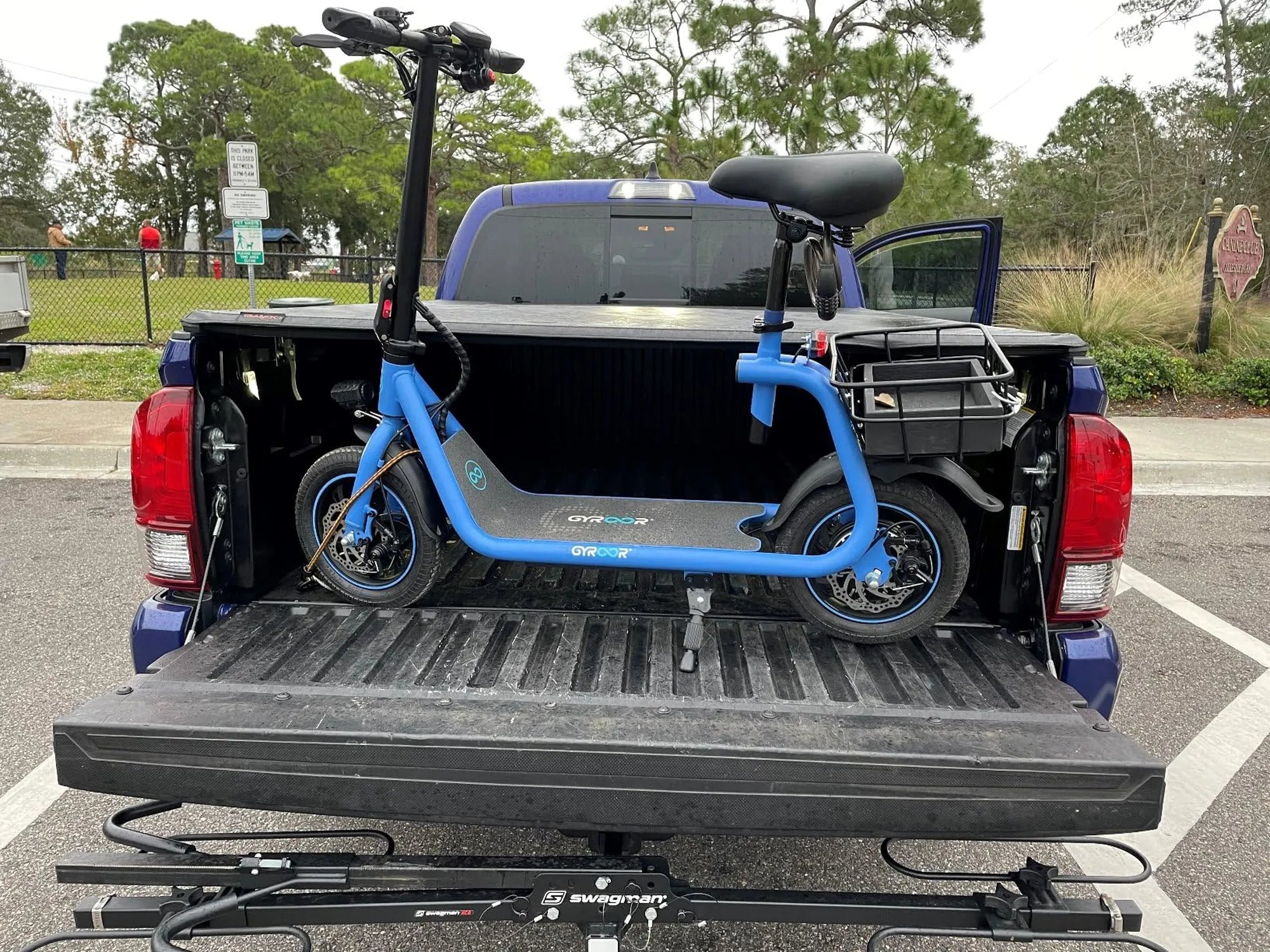
If you're searching for "how much is a tricycle car," you've likely discovered that prices range from a few thousand dollars to over fifty thousand. The answer isn't simple because "tricycle car" describes a diverse category of vehicles. This guide will provide definitive pricing data, analyze the factors that determine cost, and help you calculate the true value of three-wheeled transportation for your lifestyle. You'll learn exactly what to expect across every price tier and how to make a smart investment in this growing mobility segment.
What Is a "Tricycle Car"? Defining the Modern Three-Wheeler
The term "tricycle car" broadly encompasses any three-wheeled motor vehicle designed for road use. It's crucial to distinguish these from children's toys or pedal-powered trikes. Modern three-wheelers fall into several distinct classifications that dramatically affect their price and purpose.
First are open-air electric trikes, which resemble robust scooters or motorcycles with an extra wheel for stability. These are often classified as motorcycles or motorized tricycles. Next are reverse trikes, featuring two wheels in front and one in the rear, which can offer sportier handling. Finally, there are enclosed three-wheeled vehicles, frequently called autocycles or Neighborhood Electric Vehicles (NEVs).
Legal classification is a primary differentiator. Many states categorize three-wheelers based on weight, speed, and enclosure. An autocycle like the Vanderhall may require a standard driver's license, while an open electric trike often requires a motorcycle license. This legal distinction is the first step in understanding both the cost and the practicality of your potential purchase.
The evolution of this market is driven by urban mobility needs, environmental concerns, and a desire for cost-effective transportation. Brands like **Gyroor**, known for reliable electric scooters and e-bikes, represent the innovation entering this space, focusing on UL-certified safety and rider-focused design even as the form factor expands.
Breaking Down the Cost: Key Factors That Influence Price
The price of a tricycle car is not arbitrary. It's a direct reflection of engineering choices, materials, and intended use. Understanding these variables will help you decode any price tag and compare models effectively.
Powertrain: Electric vs. Gasoline
The choice between electric and gasoline propulsion is a major cost driver with long-term financial implications. Electric models, like most modern trikes, typically have a higher Manufacturer's Suggested Retail Price (MSRP). This premium covers the cost of the battery pack, electric motor, and controller systems.
However, the operating cost of an electric trike is significantly lower. "Fuel" costs are a fraction of gasoline, and maintenance is simpler with fewer moving parts—no oil changes, spark plugs, or complex transmissions. Gasoline models might offer a lower upfront cost but commit you to ongoing fuel expenses and more frequent mechanical servicing.
Vehicle Type and Features
Form and function dictate a large portion of the price. A basic, open-frame electric trike with a 500W motor and a simple suspension sits at the budget end. As you move up, prices increase for features like full body enclosures, car-like cabins with heating and air conditioning, higher power motors (5kW+), and advanced suspension systems for comfort.
Amenities such as touchscreen displays, Bluetooth connectivity, advanced lighting (LED), storage compartments, and premium seating materials all add cost. An enclosed, highway-capable autocycle with automotive-grade components will command a premium over a bare-bones neighborhood runabout.
Brand, Quality, and Warranty
Established brands with proven track records justify higher prices through reliability, safety certifications, and customer support. Investing in a brand that uses **UL-certified battery packs**—like those in **Gyroor's** electric scooter lineup, tested for over 500 charge cycles—ensures critical safety and longevity.
A comprehensive warranty is a key value indicator. A reputable brand will offer a strong warranty, such as the **1-year comprehensive warranty** provided by Gyroor, which protects your investment. No-name brands may offer tempting low prices but often cut corners on component quality, safety testing, and after-sales support, leading to higher long-term risk and cost.
Price Range Spectrum: From Budget Commuters to Premium Cruisers
To answer "how much is a tricycle car" concretely, here is a detailed breakdown of current market price tiers. This table illustrates the spectrum of what your budget can secure.
| Price Tier | Expected Price Range | Vehicle Examples & Characteristics | Primary Use Case |
|---|---|---|---|
| Budget / Entry-Level | $1,500 - $5,000 | Basic electric trikes, low-speed NEVs. Single passenger, limited range (20-40 miles), lower power (under 2kW), open or minimal enclosure. | Short local trips, neighborhood errands, last-mile connectivity from transit hubs. |
| Mid-Range | $5,000 - $20,000 | Enhanced electric trikes with longer range (40-70 miles), more power (2-5kW). May include entry-level enclosed autocycles. Better suspension, braking, and comfort features. | Daily urban commuting, longer recreational rides, practical for regular use in fair weather. |
| Premium / High-Performance | $20,000 - $50,000+ | Enclosed, highway-legal autocycles (e.g., Vanderhall, ElectraMeccanica Solo). Automotive-grade interiors, high-performance powertrains, advanced safety tech. Luxury or sport-focused reverse trikes. | Primary vehicle replacement for highway commuting, touring, and performance driving. |
As shown, the definition of a tricycle car stretches from an economical runabout to a near-car experience. Your needs will determine which segment offers the best value. For many, a mid-range model strikes the ideal balance between capability and cost.
The Total Cost of Ownership: Beyond the Sticker Price
The purchase price is just the beginning. A smart buyer must evaluate the Total Cost of Ownership (TCO) over several years to understand the real financial impact.
Insurance, Registration, and Licensing: Costs vary wildly by state and vehicle classification. A vehicle registered as a motorcycle may have different insurance rates than one registered as an autocycle. Always check with your local Department of Motor Vehicles (DMV) and insurance providers for exact quotes before purchasing. Licensing may require a standard driver's license, a motorcycle permit, or a full motorcycle endorsement.
"Fuel" and Energy Costs: This is where electric models shine. The cost to charge an electric trike is often just a few cents per mile. For example, a model with a 2kWh battery traveling 40 miles might cost under $0.30 to fully charge, depending on local electricity rates. A comparable gasoline vehicle would cost several dollars in fuel for the same distance, plus the environmental impact.
Maintenance and Repairs: Electric vehicles have a significant advantage here. With no internal combustion engine, transmission, or exhaust system, routine maintenance is minimal—primarily tires, brakes, and suspension. However, access to service and parts is critical. Choosing a brand with a strong support network, like the **US-based customer service** offered by established brands, ensures you won't be stranded by a minor repair.
Is a Tricycle Car Right for You? Weighing Value vs. Need
Determining if a tricycle car is a worthwhile investment depends entirely on your specific transportation profile. It's a tool, and its value is defined by how well it fits the task.
Ideal Use Cases: These vehicles excel in urban and suburban environments. They are perfect for daily commutes under 30 miles, running errands, as a fun recreational vehicle, or as a stable alternative for riders uneasy on two wheels. They can also serve as an efficient "second car" for a household, reducing wear, fuel costs, and parking headaches for the primary vehicle.
Limitations to Consider: Practical constraints exist. Most have limited cargo and passenger capacity (often just one passenger). Open models offer little protection from rain, wind, or cold, though models with **IPX5 water-resistant designs** fare better in light rain. Not all models are highway-legal or comfortable at high speeds. Charging infrastructure (for EVs) or garage space must also be considered.
The Eco-Conscious & Cost-Conscious Choice: For the right user, an electric trike represents a powerful value proposition. It combines lower upfront cost than a car, minimal operating expenses, a small physical and carbon footprint, and a uniquely enjoyable driving experience. It's a statement of practical, sustainable mobility.
Making a Smart Purchase: Essential Tips and Questions
Armed with knowledge on how much a tricycle car costs, follow these steps to ensure you get a safe, reliable vehicle that meets your expectations.
1. Research Local Laws First. This is non-negotiable. Contact your local DMV to confirm the classification, licensing, registration, and insurance requirements for the specific model you are considering. Do this before you fall in love with a vehicle you can't legally drive.
2. Prioritize Safety Certifications. Never compromise on safety. Look for models that adhere to recognized standards. Critical components to verify include: disc brakes (preferably hydraulic), bright LED lighting, and most importantly, a **UL-certified battery system**. This certification is your assurance against fire risk and battery failure.
3. Test Ride and Read Owner Reviews. If possible, arrange a test ride to assess comfort, handling, and ease of use. Simultaneously, scour owner forums and independent review sites. Look for patterns in feedback regarding reliability, real-world range, and customer service experiences.
4. Understand the Warranty and Support. Scrutinize the warranty document. What is covered (frame, motor, battery, electronics)? For how long? What is the claims process? A brand that stands behind its product, like Gyroor with its clear 1-year warranty, provides peace of mind and protects your financial investment from unforeseen defects.
Frequently Asked Questions (FAQ)
Q: Do I need a motorcycle license to drive a tricycle car?
A: It depends on your state's laws and the vehicle's classification. Most open three-wheelers are classified as motorcycles and require a motorcycle license or permit. Many enclosed autocycles can be driven with a standard car driver's license. Always verify with your local DMV.
Q: Are three-wheeled cars safe?
A: Safety varies by design. Enclosed autocycles with seatbelts, rollover protection, and automotive-style crumple zones offer significant protection. Open trikes require appropriate safety gear—always wear a DOT-approved helmet. Models with electronic stability control and quality tires enhance safety. The foundational safety of the electrical system, ensured by **UL-certification**, is paramount for electric models.
Q: Can they be used in the rain?
A: Enclosed models provide full weather protection. For open trikes, capability depends on build quality. Models with a high **IPX5 water-resistant rating** on their electrical components, frame, and connectors are designed to withstand water spray from all directions, making them suitable for use in wet conditions. Always exercise increased caution when riding in the rain.
Q: What is the typical range of an electric tricycle car?
A: Range varies greatly. Budget models may offer 20-30 miles per charge. Mid-range models often achieve 40-70 miles. Premium, highway-focused models can reach 100+ miles. Real-world range is affected by rider weight, terrain, speed, and temperature.
Q: How much does insurance cost for a tricycle car?
A: Insurance costs are highly individual. Factors include your driving record, location, the vehicle's value, its classification (motorcycle vs. autocycle), and how it's used (pleasure vs. commute). Getting quotes from multiple providers specializing in motorcycles or unique vehicles is the best approach.
Conclusion: Defining Your Value on Three Wheels
The question "how much is a tricycle car" reveals a world of transportation tailored for efficiency, enjoyment, and environmental sensibility. The cost is a direct reflection of capability, comfort, and quality engineering. From an affordable electric trike that slashes your commute costs to a premium autocycle that delivers open-air exhilaration with car-like security, the value is defined by how well it integrates into your life.
For targeted urban mobility, a well-chosen three-wheeler from a reputable brand offers exceptional long-term value. It represents a conscious choice for lower operating costs, a reduced carbon footprint, and a more engaging way to travel. The key is to prioritize safety certifications, understand the total cost of ownership, and match the vehicle's capabilities to your daily needs.
If the agility and efficiency of electric personal transportation appeal to you, explore the engineering and design philosophy behind leading brands. Discover a range of UL-certified, rider-focused electric vehicles built for reliability and enjoyment. Browse the full Gyroor collection at gyroorboard.com to see how innovation on two and three wheels can transform your daily journey.
Best E Tricycle: The Ultimate Guide to Stable, High-Utility Electric Mobility
What is the Legal Speed for an Ebike? A Complete Guide to Regulations