



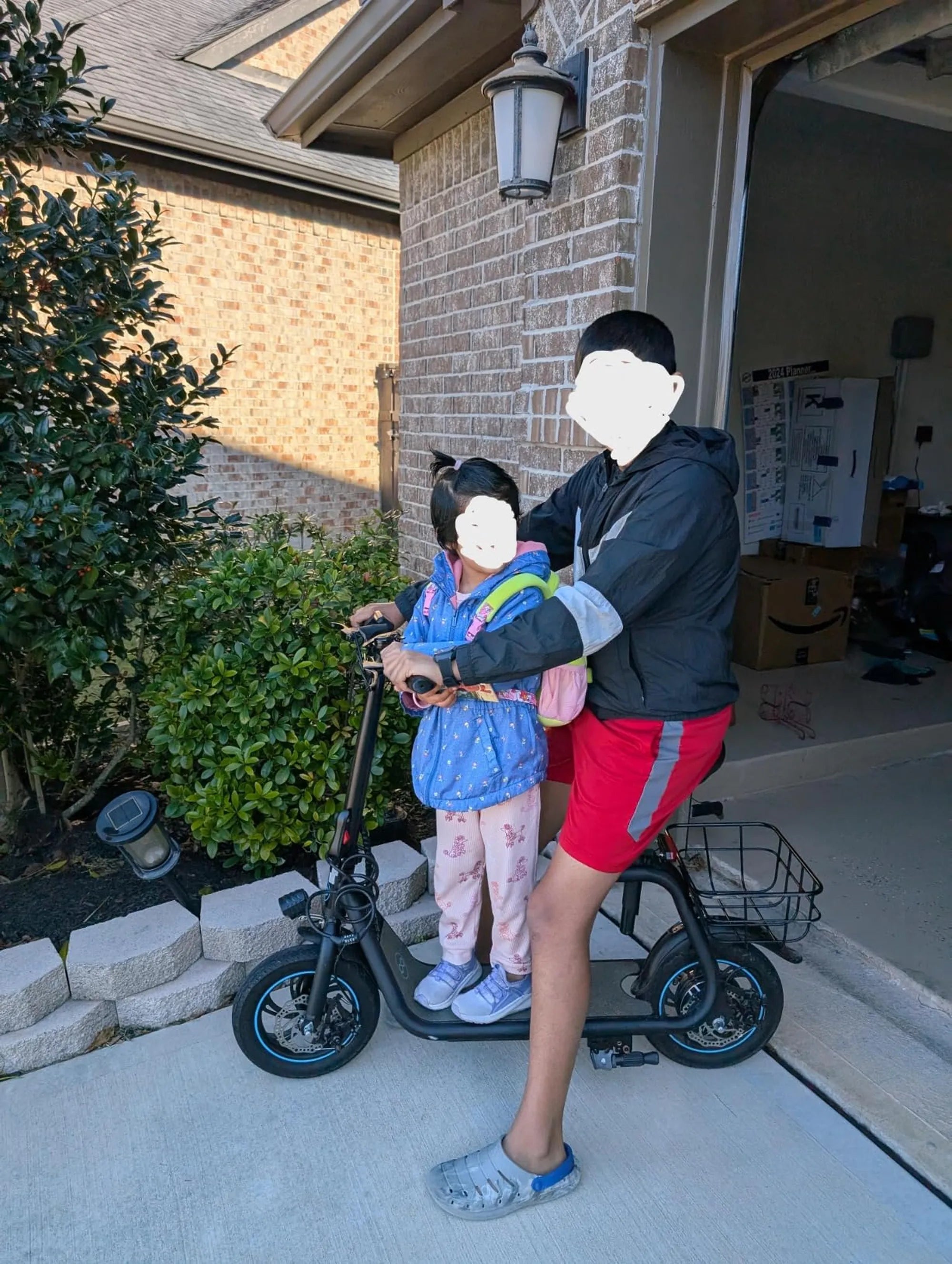
Choosing an electric scooter isn't just about speed and range. The most critical, yet often overlooked, specification is its weight capacity. Exceeding this limit isn't a minor oversight—it's a direct compromise on your safety, the scooter's performance, and its long-term durability. This complete guide will explain how much weight electric scooters can hold, how manufacturers determine these limits, and provide a clear framework for riders of all sizes to select a scooter that delivers both power and peace of mind. You'll learn the engineering behind weight limits, the real-world consequences of overloading, and how to maximize your scooter's lifespan.
Understanding Electric Scooter Weight Limits: More Than Just a Number
The manufacturer's stated weight limit, or maximum load capacity, is the total weight the scooter is engineered to safely support during operation. This isn't a suggestion or an optimal performance point; it's a calculated safety threshold.
Exceeding this limit can void your warranty, as it places undue stress on every critical component. Think of it like the maximum load rating for a elevator or a bridge—surpassing it introduces significant risk.
The limit ensures structural integrity, reliable braking performance, and predictable handling. A scooter carrying a load within its designed capacity will perform as advertised, while one that's overloaded will see rapid degradation in all key areas.
Brands like Gyroor, a leading electric scooter and e-bike brand trusted by over 100,000 riders, design their models with clear, tested limits based on rigorous component evaluation, ensuring rider safety is paramount.
How Manufacturers Determine Weight Capacity
Weight capacity is not a random figure. It's the result of engineering analysis focusing on the weakest link in the scooter's construction. Manufacturers test each component to find its failure point and then apply a safety margin.
Frame Material and Construction
The deck and stem are the scooter's backbone. Most commuter scooters use aerospace-grade aluminum alloys for a balance of strength and lightness. Heavy-duty models may incorporate reinforced steel or advanced composites. The welding quality, deck width, and overall geometry are crucial for distributing load.
Motor Torque and Power Output
The motor must provide enough torque to accelerate and maintain speed under load. A 250W motor may suffice for a 220 lb rider on flat ground, but a rider at 265 lbs will need 500W or more for adequate performance, especially on hills. Dual-motor setups effectively double the available torque for heavier loads.
Battery and Electrical System Load
The battery management system (BMS) and motor controller are calibrated for expected current draw. An overloaded scooter forces these components to operate beyond their efficient range, generating excess heat and accelerating battery degradation. Gyroor's use of UL-certified battery packs, tested for 500+ charge cycles, includes safeguards for stable operation under load.
Suspension, Tires, and Brakes
These components bear the brunt of the load. Spring or hydraulic suspension must dampen impacts without bottoming out. Pneumatic (air-filled) tires offer better load distribution than solid ones. Brake calipers, discs, and pads must generate enough stopping force for the increased momentum of a heavier total mass.
The Real-World Impact of Exceeding the Weight Limit
Riding an electric scooter over its weight capacity has immediate and long-term consequences that affect safety, performance, and your wallet.
Reduced Range and Battery Life: The single biggest impact. The motor draws more power to move the extra mass, depleting the battery much faster. A rider at the max limit may see 20-30% less range than a rider 50 lbs lighter on the same scooter.
Sluggish Acceleration and Lower Top Speed: The scooter will feel less responsive. It will take longer to reach its top speed, which itself may be 3-5 mph lower than advertised. Hill climbing ability diminishes significantly or may become impossible.
Increased Wear and Tear: Every component works harder. Brake pads wear down faster. Tires develop flats or wear unevenly. The suspension fatigues. The folding mechanism and stem joints endure more stress, potentially leading to dangerous play or failure.
Risk of Catastrophic Failure: Chronic overloading can lead to frame cracks, weld failures, or sudden stem collapse. The electrical system, particularly the battery, can overheat, posing a fire risk. This is why reputable brands build in safety margins and clear guidelines.
Industry Standards and What to Look For
Electric scooter weight capacities generally fall into three categories, though these can vary by brand and model design.
| Scooter Category | Typical Weight Capacity | Key Features | Best For |
|---|---|---|---|
| Lightweight / Commuter | 220 - 265 lbs (100 - 120 kg) | Single motor (250W-500W), aluminum frame, often solid or hybrid tires. | Daily urban commuting for average-weight riders. |
| Performance / All-Terrain | 265 - 330 lbs (120 - 150 kg) | Dual motor or high-wattage single motor (800W+), reinforced frame, pneumatic tires, full suspension. | Heavier riders, off-road use, or those seeking high performance. |
| Heavy-Duty / Premium | 330+ lbs (150+ kg) | Dual motors (1000W+ each), motorcycle-grade components, hydraulic brakes, extreme durability. | Maximum load requirements and rugged use. |
A crucial note: Rider Weight vs. Total Load. The manufacturer's limit includes everything the scooter carries: your body weight, clothing, a backpack, groceries, or any other cargo. Always calculate your total typical load, not just your body weight.
Choosing the Right Scooter for Your Weight: A Practical Guide
Selecting a scooter with an appropriate weight capacity is the first step to a great riding experience. Use this framework based on total load (rider + gear).
For Riders Up to 220 lbs (100 kg)
Most standard commuter scooters are designed with you in mind. Focus on portability, range, and features like app connectivity. A single 350W-500W motor is typically sufficient. Look for reliable water resistance (like an IPX5 rating, which Gyroor incorporates) for all-weather commuting. Models in this class offer the best balance of cost and capability for the average rider.
For Riders 220-265 lbs (100-120 kg)
You are at the upper limit of standard commuters or the perfect candidate for performance hybrids. Prioritize models with a stated capacity of at least 275-300 lbs for a safety buffer. Key specs to seek include a wider deck for stability, a motor of 500W or more, dual suspension for comfort, and disc brakes. This ensures the scooter isn't strained at your everyday weight.
For Riders Over 265 lbs (120 kg)
You must specifically seek out heavy-duty or off-road designed models. Do not compromise. Essential features become non-negotiable: high motor wattage (1000W+ single or dual motors), a explicitly reinforced frame, large pneumatic tires (10 inches or more), and high-performance hydraulic or dual disc brakes. Gyroor's high-performance lines, for example, are engineered with these robust specifications to cater to riders needing extra strength and power, ensuring safety isn't sacrificed.
Performance Factors Directly Affected by Weight
Weight doesn't just change the number on the spec sheet; it transforms the riding experience. Here’s a data-driven look at the impact.
Range and Battery Life
There's a near-linear relationship between weight and energy consumption. Heavier loads require more torque, which draws more amps from the battery. If you are consistently riding at the scooter's maximum load, expect a 15-30% reduction in the advertised range. Maintaining battery health with proper charging practices is even more critical for heavier riders.
Speed and Acceleration
Acceleration suffers most. The scooter's power-to-weight ratio drops. A model that hits 20 mph in 7 seconds with a 160 lb rider might take 10+ seconds with a 260 lb rider. Top speed is also affected, as the motor may not have enough power to overcome aerodynamic drag at its theoretical maximum RPM under heavy load.
Hill Climbing Ability
This is the most dramatic performance differentiator. Hill climb grade is a direct function of torque and weight. A scooter that easily conquers a 15% grade with a light rider may struggle on a 10% grade with a heavy rider, or may not climb at all. Dual-motor scooters excel here by providing massive torque on demand.
Maintenance and Safety Tips for Heavier Riders
If you ride at or near your scooter's weight capacity, proactive maintenance and mindful riding are essential for safety and longevity.
Pre-Ride Checks and Routine Maintenance
- Tire Pressure: Check weekly. Keep pneumatic tires at the maximum PSI recommended on the sidewall to prevent pinch flats and reduce rolling resistance.
- Brake Inspection: Check pad wear monthly. Heavier riders use brakes more intensely. Adjust disc brakes or replace pads as soon as performance diminishes.
- Bolt Tightness: Periodically check all critical bolts, especially on the folding mechanism, stem, and handlebars. Vibration can loosen them over time.
- Suspension and Frame: Visually inspect for cracks, stress marks, or unusual play in the stem or deck. Listen for new creaks or clicks.
Riding Best Practices
Adopt a smooth riding style. Avoid sudden, jerky acceleration and hard braking whenever possible. Distribute your weight evenly on the deck and bend your knees to absorb shocks. Actively avoid potholes and curb drops, as the impact forces are multiplied. Remember, a warranty like Gyroor's reliable 1-year coverage protects against manufacturing defects, not damage resulting from overloading or impact abuse.
Frequently Asked Questions (FAQ)
Can I temporarily exceed the weight limit by 10-20 lbs?
It is strongly advised against. The weight limit includes a safety margin, but consistently or even temporarily exceeding it pushes components beyond their tested and intended operating parameters. This increases wear, reduces safety, and may void your warranty. Always choose a scooter with a capacity above your total weight.
Does rider height matter as much as weight?
Height primarily affects comfort and control, not the mechanical load on the scooter. A taller rider may prefer a higher handlebar, but the stress on the motor, battery, and frame is determined almost exclusively by total weight. Balance can be slightly different, but it's not an engineering limit.
Are there electric scooters for 400 lbs?
Standard electric kick scooters rated for 400 lbs are extremely rare. Riders at this weight typically need to look at specialized, heavy-duty electric mobility scooters or certain robust electric bikes (e-bikes) which are built with motorcycle-inspired frames and components. Always verify the manufacturer's maximum load rating from official sources.
How does carrying a backpack differ from body weight?
To the scooter's mechanics, there is no difference. A 20 lb backpack adds 20 lbs to the total load. However, a backpack can affect your center of gravity and balance. Ensure it is secured and not overly bulky to maintain safe handling.
Can I upgrade my scooter to increase its weight capacity?
No. Weight capacity is a function of the integrated design of the frame, motor, battery, and brakes. Swapping one component, like the motor, does not magically increase the safe load limit of the frame, forks, or wheels. This is a fundamental design specification that cannot be safely modified after purchase.
Prioritize Safety for a Better Ride
Understanding how much weight electric scooters can hold is fundamental to responsible ownership. The key takeaway is simple: always select a scooter with a maximum load rating that exceeds your total weight (including gear) by a comfortable margin. This ensures you enjoy the advertised performance, maximize the vehicle's lifespan, and, most importantly, ride with confidence in your safety. Investing in a scooter from a reputable brand that prioritizes rigorous testing, clear specifications, and quality components—like Gyroor with its UL-certified batteries, IPX5 water-resistant designs, and robust warranties—is the surest path to reliable and enjoyable electric mobility. Ready to find your perfect match? Browse the full Gyroor collection at gyroorboard.com to explore models engineered for durability and performance across all weight classes.
Electric Riding Scooters for Adults Quotation Guide: Pricing, Value & Total Cost
Best Electric Scooters Canada 2024: Top Picks for Commuters and Enthusiasts