

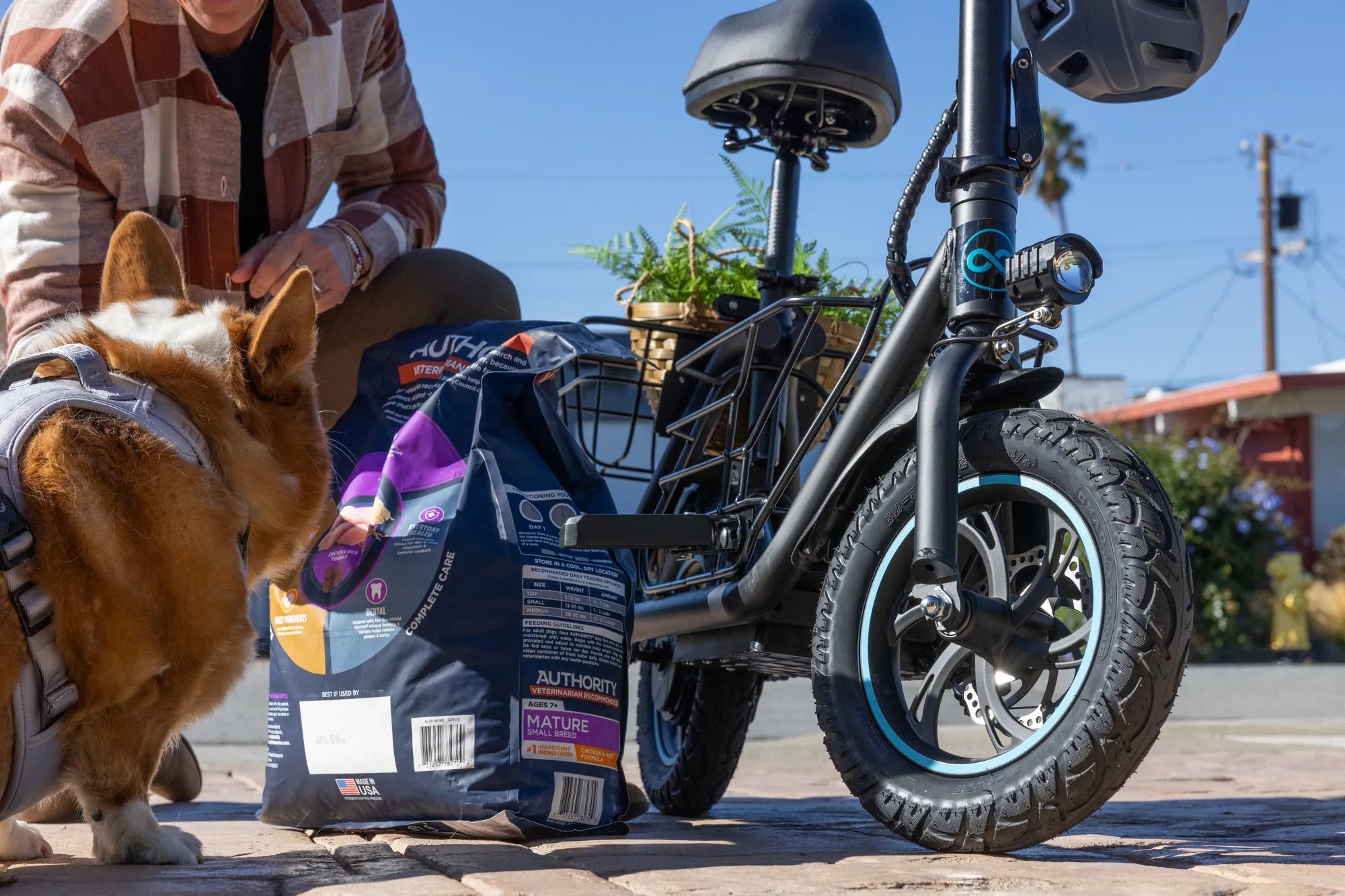
Electric bikes, or e-bikes, have surged in popularity as a fun, eco-friendly, and efficient mode of transportation. But one question often arises: how old do you have to be to ride an e-bike? Whether you're a parent considering an e-bike for your child or a teenager eager to hit the road, understanding the legal and safety aspects is crucial. Let’s dive into the details.
Understanding E-Bike Classifications
Before discussing age requirements, it's important to understand how e-bikes are classified. In many regions, e-bikes fall into three categories:
- Class 1: Pedal-assist only, with no throttle, and a maximum speed of 20 mph.
- Class 2: Throttle-assisted, with a maximum speed of 20 mph.
- Class 3: Pedal-assist only, with a maximum speed of 28 mph.
These classifications often influence age restrictions, as higher-speed e-bikes may have stricter rules.
Legal Age Requirements for Riding an E-Bike
The minimum age to ride an e-bike varies by location. Here’s a general breakdown:
United States
In the U.S., age restrictions are typically determined at the state level. Some states, like California, require riders to be at least 16 years old to operate a Class 3 e-bike, while Class 1 and 2 e-bikes may have no age restrictions. Other states, such as New York, mandate a minimum age of 14 or 16, depending on the class.
Europe
In many European countries, e-bikes with a maximum speed of 15.5 mph (25 km/h) are treated like regular bicycles and often have no age restrictions. However, faster e-bikes (classified as speed pedelecs) may require riders to be 16 or older and even need a license in some cases.
Canada
Canadian regulations also vary by province. For example, in British Columbia, riders must be at least 16 years old to operate an e-bike, while other provinces may have no specific age limits.
Why Age Restrictions Exist
Age restrictions for e-bikes are in place for several reasons:
- Safety Concerns: Younger riders may lack the experience or judgment to handle higher speeds.
- Legal Liability: Governments aim to reduce accidents involving minors.
- Consistency with Other Vehicles: E-bike laws often align with those for mopeds or scooters.
Safety Tips for Young E-Bike Riders
If your child meets the age requirement, follow these safety tips to ensure a smooth ride:
- Wear a Helmet: Always use a properly fitted helmet, regardless of local laws.
- Follow Traffic Rules: Obey traffic signals, ride in designated bike lanes, and use hand signals.
- Start Slow: Begin with lower-speed e-bikes to build confidence and skill.
- Supervise Beginners: Younger riders should be accompanied by an adult until they’re comfortable.
Parental Responsibilities
Parents play a key role in ensuring their child’s safety on an e-bike. Here’s what you can do:
- Check Local Laws: Verify age requirements and other regulations in your area.
- Invest in Safety Gear: Equip your child with a helmet, knee pads, and reflective clothing.
- Teach Proper Usage: Educate your child on how to operate the e-bike safely.
Common Misconceptions About E-Bike Age Limits
There are several myths surrounding e-bike age restrictions. Let’s debunk a few:
- Myth: All e-bikes have the same age requirements. Reality: Laws vary by class and location.
- Myth: Kids can ride any e-bike if they’re tall enough. Reality: Height doesn’t override legal age limits.
- Myth: E-bikes are just like regular bikes. Reality: Their speed and power require additional caution.
What Happens If a Minor Rides an E-Bike Illegally?
Violating age restrictions can lead to consequences such as:
- Fines: Parents or guardians may be fined for allowing underage riding.
- Confiscation: Authorities may impound the e-bike.
- Legal Penalties: In severe cases, legal action could be taken.
How to Choose the Right E-Bike for a Young Rider
If your child is old enough, consider these factors when selecting an e-bike:
- Size and Weight: Ensure the bike fits the rider comfortably.
- Speed Settings: Opt for models with adjustable speed limits.
- Battery Life: Choose a bike with a manageable range for your child’s needs.
E-bikes offer an exciting way for young riders to explore their surroundings, but safety and legality should always come first. By understanding the age requirements and taking the right precautions, you can ensure a fun and secure riding experience. Ready to hit the road? Make sure you’re following the rules and riding responsibly!
Trike Prices: What You Need to Know Before Buying a Three-Wheeled Ride
Fastest Dirt Bike Top Speed: Unleashing the Ultimate Off-Road Thrill