



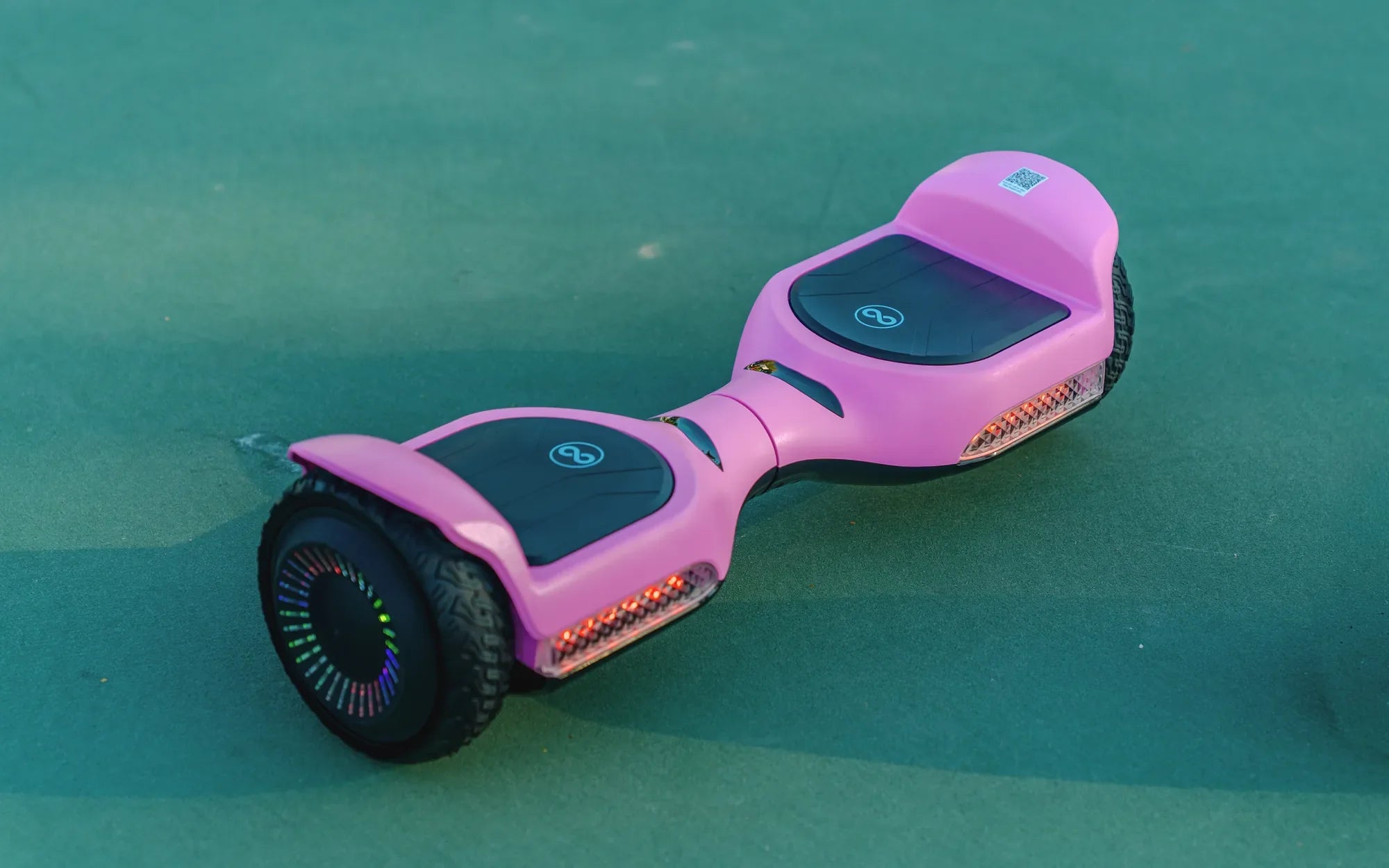
Hoverboards have become a popular mode of transportation and entertainment for kids and adults alike. But one question often arises: how old do you have to ride a hoverboard? The answer isn't as straightforward as you might think, as it depends on factors like safety regulations, manufacturer recommendations, and a child's maturity level. Let's dive into the details to help you make an informed decision.
Understanding Hoverboard Age Recommendations
Most hoverboard manufacturers recommend a minimum age of 8 years old for riders. This guideline is based on the average child's ability to balance, follow instructions, and react quickly to avoid accidents. However, some models may specify a higher age limit, such as 10 or 12, depending on speed and complexity.
Why Age Matters
- Balance and Coordination: Younger children may struggle to maintain stability on a hoverboard, increasing the risk of falls.
- Reaction Time: Quick reflexes are essential to avoid obstacles or sudden stops.
- Understanding Safety Rules: Kids need to comprehend and follow safety guidelines to prevent injuries.
Safety Tips for Young Hoverboard Riders
If your child meets the age requirement, follow these safety tips to minimize risks:
- Always Wear Protective Gear: Helmets, knee pads, and elbow pads are a must.
- Start in a Safe Area: Practice in an open, flat space away from traffic or obstacles.
- Supervise Beginners: Young riders should be monitored until they gain confidence and skill.
- Check the Hoverboard's Speed Settings: Some models allow speed limits to be adjusted for beginners.
Legal and Parental Considerations
Laws regarding hoverboard use vary by location. Some cities or states may have age restrictions or require helmets for riders under a certain age. Always check local regulations before allowing your child to ride in public spaces.
Parents should also assess their child's individual readiness. Even if a child meets the age requirement, their maturity, coordination, and willingness to follow safety rules play a crucial role in determining if they're ready to ride.
Alternatives for Younger Children
If your child is too young for a standard hoverboard, consider alternatives like:
- Balance Bikes or Scooters: These help develop coordination before transitioning to a hoverboard.
- Low-Speed Training Models: Some hoverboards are designed specifically for younger kids with reduced speed limits.
Hoverboards can be a thrilling way for kids to explore mobility and independence, but safety should always come first. By understanding age recommendations, enforcing safety measures, and supervising young riders, you can ensure a fun and injury-free experience. Ready to let your child take their first ride? Make sure they're prepared—and don't forget the helmet!
Hoverboard Got Rained On: What to Do Next and How to Prevent Damage
Hoverboard Got Rained On: What to Do Next and How to Prevent Damage