



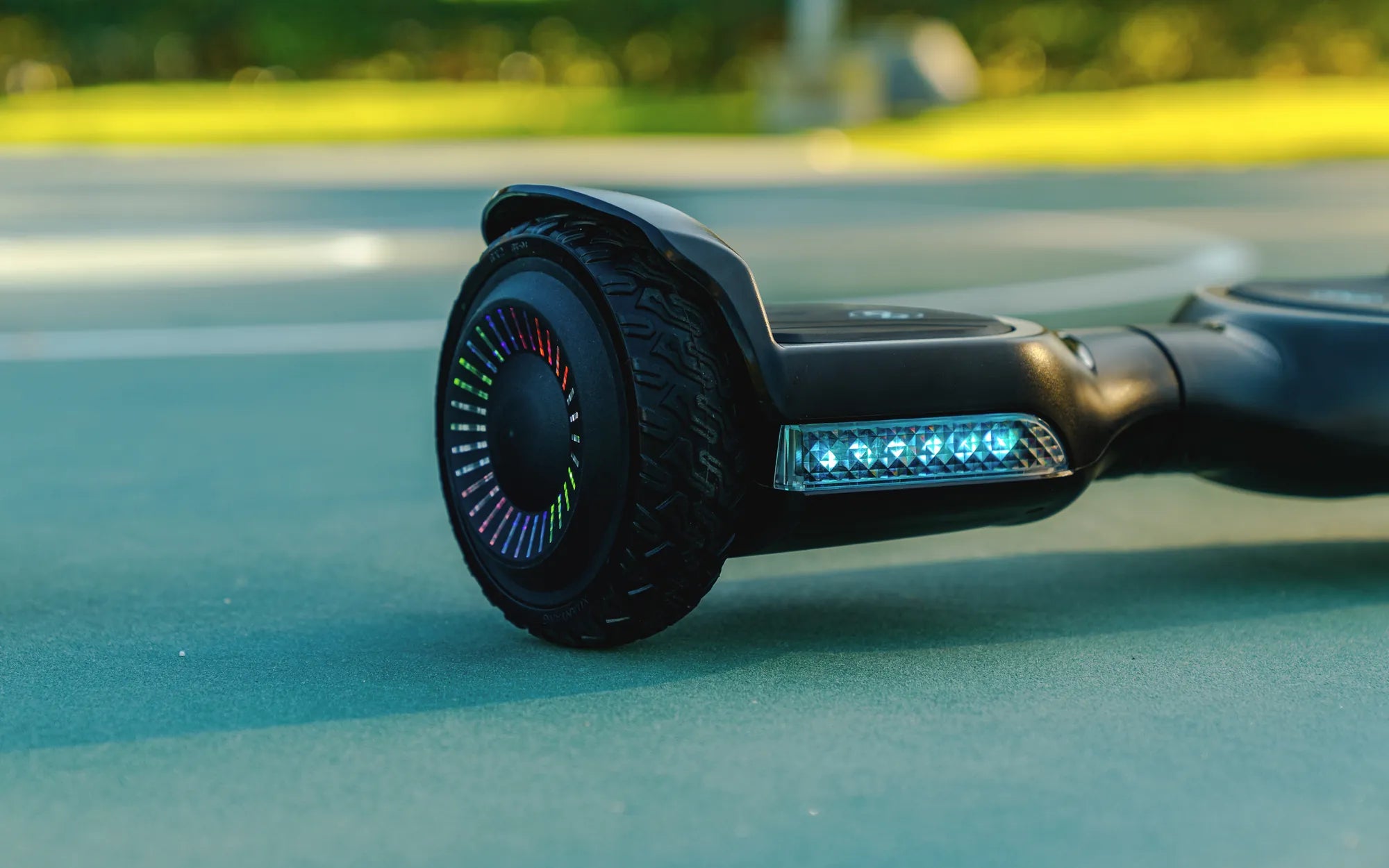
Hoverboards have taken the world by storm, offering a fun and futuristic way to get around. But with their rising popularity, questions about their safety have also emerged. Are hoverboards safe? What are the risks involved? This article dives deep into the safety aspects of hoverboards, providing you with the information you need to ride confidently.
The Rise of Hoverboards
Hoverboards, also known as self-balancing scooters, first gained widespread attention in the mid-2010s. Their sleek design and intuitive controls made them an instant hit among kids and adults alike. However, their rapid adoption also brought to light several safety concerns, including fires caused by faulty batteries and injuries from falls.
Common Safety Concerns
One of the most significant safety issues with hoverboards is the risk of fire. Poor-quality lithium-ion batteries can overheat, leading to fires or even explosions. Additionally, riders often underestimate the learning curve involved in mastering a hoverboard, resulting in falls and injuries. Uneven terrain, high speeds, and lack of protective gear can further exacerbate these risks.
Battery Safety
Lithium-ion batteries are the power source for most hoverboards. While these batteries are generally safe, low-quality or damaged ones can pose a fire hazard. To minimize risks, always purchase hoverboards from reputable manufacturers and avoid overcharging the battery. Look for models that meet safety standards, such as UL 2272 certification.
Rider Safety
Falls are another common concern, especially for beginners. Wearing protective gear like helmets, knee pads, and wrist guards can significantly reduce the risk of injury. It's also essential to practice in a safe, open area before venturing onto busy streets or uneven surfaces.
Safety Features to Look For
Modern hoverboards come equipped with various safety features designed to protect riders. These include:
- UL 2272 Certification: This certification ensures the hoverboard meets rigorous electrical and fire safety standards.
- Non-Slip Foot Pads: These provide better grip, reducing the chance of slipping off the board.
- Speed Limiters: Some models have built-in speed controls to prevent excessive acceleration.
- LED Lights: These improve visibility when riding at night.
Best Practices for Safe Riding
To enjoy your hoverboard safely, follow these best practices:
- Always wear protective gear, including a helmet and pads.
- Start slow and practice in a controlled environment.
- Avoid riding on wet or uneven surfaces.
- Never leave the hoverboard charging unattended.
- Regularly inspect the hoverboard for signs of wear or damage.
Legal Considerations
Before riding a hoverboard, check local laws and regulations. Some areas restrict hoverboard use on public roads or sidewalks. Additionally, certain venues, like shopping malls or schools, may prohibit their use altogether.
Final Thoughts
Hoverboards can be a thrilling and convenient way to travel, but safety should always come first. By understanding the risks, choosing a quality product, and following best practices, you can enjoy your hoverboard with peace of mind. Ready to hit the streets? Stay safe and ride smart!
Hoverboards What Are They: The Ultimate Guide to Self-Balancing Scooters
8 Inch Hoverboard Shell: The Ultimate Guide to Durability and Style