


Hoverboards have taken the world by storm, offering a fun and futuristic way to get around. But with their rising popularity, questions about their safety have also emerged. Are hoverboards safe? What are the risks? And how can you ensure a smooth and secure ride? Let’s dive into the details.
The Safety Concerns Surrounding Hoverboards
Hoverboards, also known as self-balancing scooters, have faced scrutiny due to reports of accidents, fires, and injuries. Some of the most common safety concerns include:
- Battery Fires: Poor-quality lithium-ion batteries can overheat and catch fire, posing a significant risk.
- Falls and Injuries: Riders, especially beginners, may lose balance and suffer sprains, fractures, or head injuries.
- Speed and Control Issues: High speeds or sudden movements can lead to loss of control.
- Faulty Manufacturing: Cheaply made hoverboards may lack proper safety features.
How to Choose a Safe Hoverboard
Not all hoverboards are created equal. Here’s what to look for to ensure safety:
- Certification: Look for UL 2272 certification, which ensures the hoverboard meets electrical and fire safety standards.
- Quality Batteries: Opt for hoverboards with reputable lithium-ion batteries to reduce fire risks.
- Sturdy Build: A robust frame and durable wheels improve stability and longevity.
- Speed Limits: Choose models with adjustable speed settings for better control.
Safety Tips for Riding a Hoverboard
Even with a high-quality hoverboard, safe riding practices are essential. Follow these tips to minimize risks:
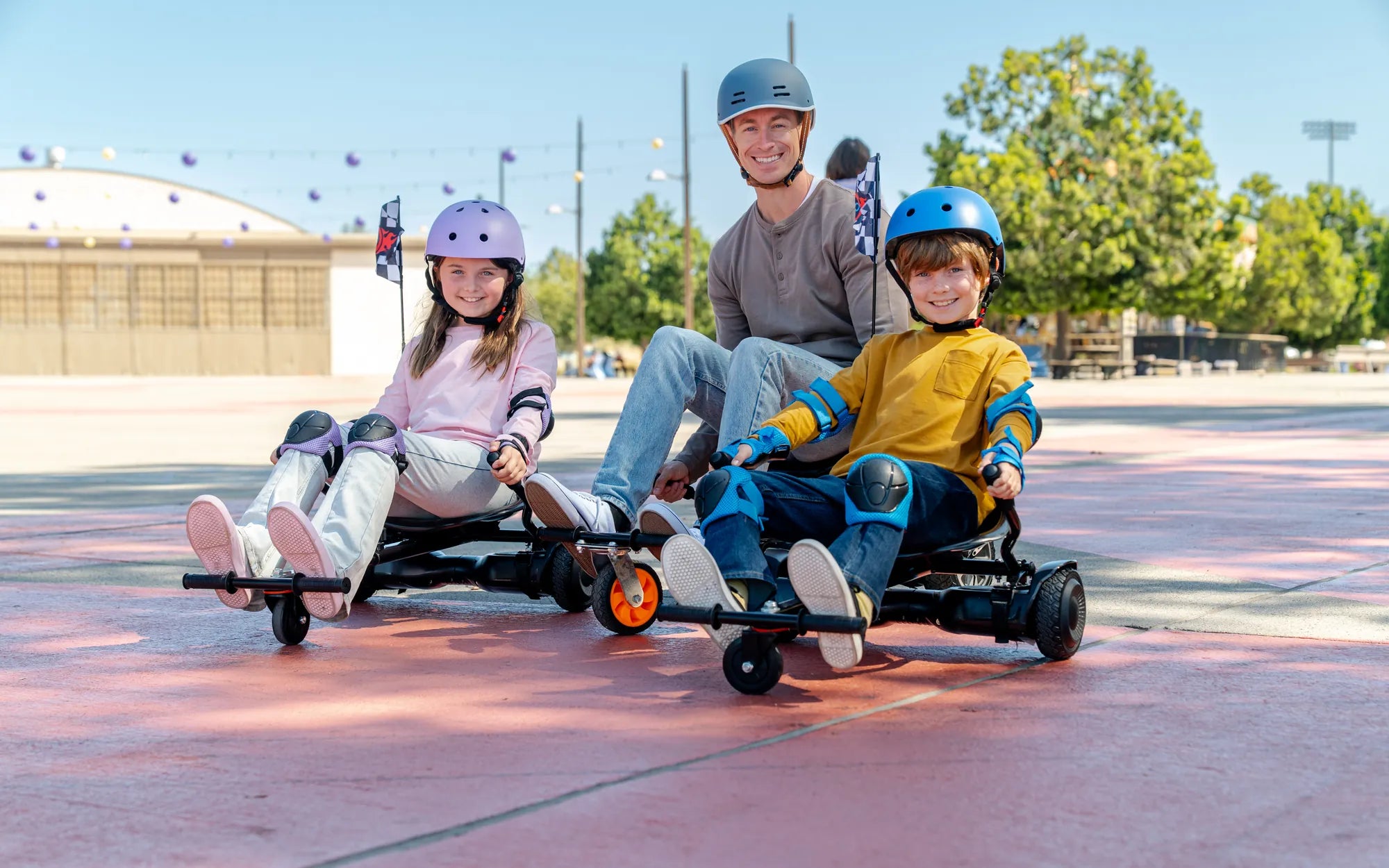
- Wear Protective Gear: Always use a helmet, knee pads, and elbow pads to prevent injuries.
- Practice in a Safe Area: Start in an open, flat space free from traffic or obstacles.
- Avoid Wet Surfaces: Hoverboards can slip on wet or uneven terrain.
- Monitor Battery Health: Don’t overcharge the battery, and avoid using damaged chargers.
- Supervise Children: Young riders should always be supervised to prevent accidents.
What to Do in Case of an Accident
Despite precautions, accidents can happen. Here’s how to respond:
- Seek Medical Attention: Even minor injuries should be checked by a professional.
- Report Faulty Products: If a hoverboard malfunctions, report it to the manufacturer or consumer safety agencies.
- Document the Incident: Take photos and notes for insurance or legal purposes if needed.
The Future of Hoverboard Safety
As technology advances, hoverboards are becoming safer. Innovations like improved battery management, better materials, and enhanced stability systems are reducing risks. However, rider awareness and responsible usage remain critical.
Hoverboards can be a blast to ride, but safety should always come first. By choosing a certified model, wearing protective gear, and following best practices, you can enjoy the thrill without the spills. Ready to glide into the future? Stay safe and ride smart!
What Does It Mean If a Hoverboard Beeps? Understanding the Signals
Hoverboard Brand Comparison: Finding the Best Ride for You