


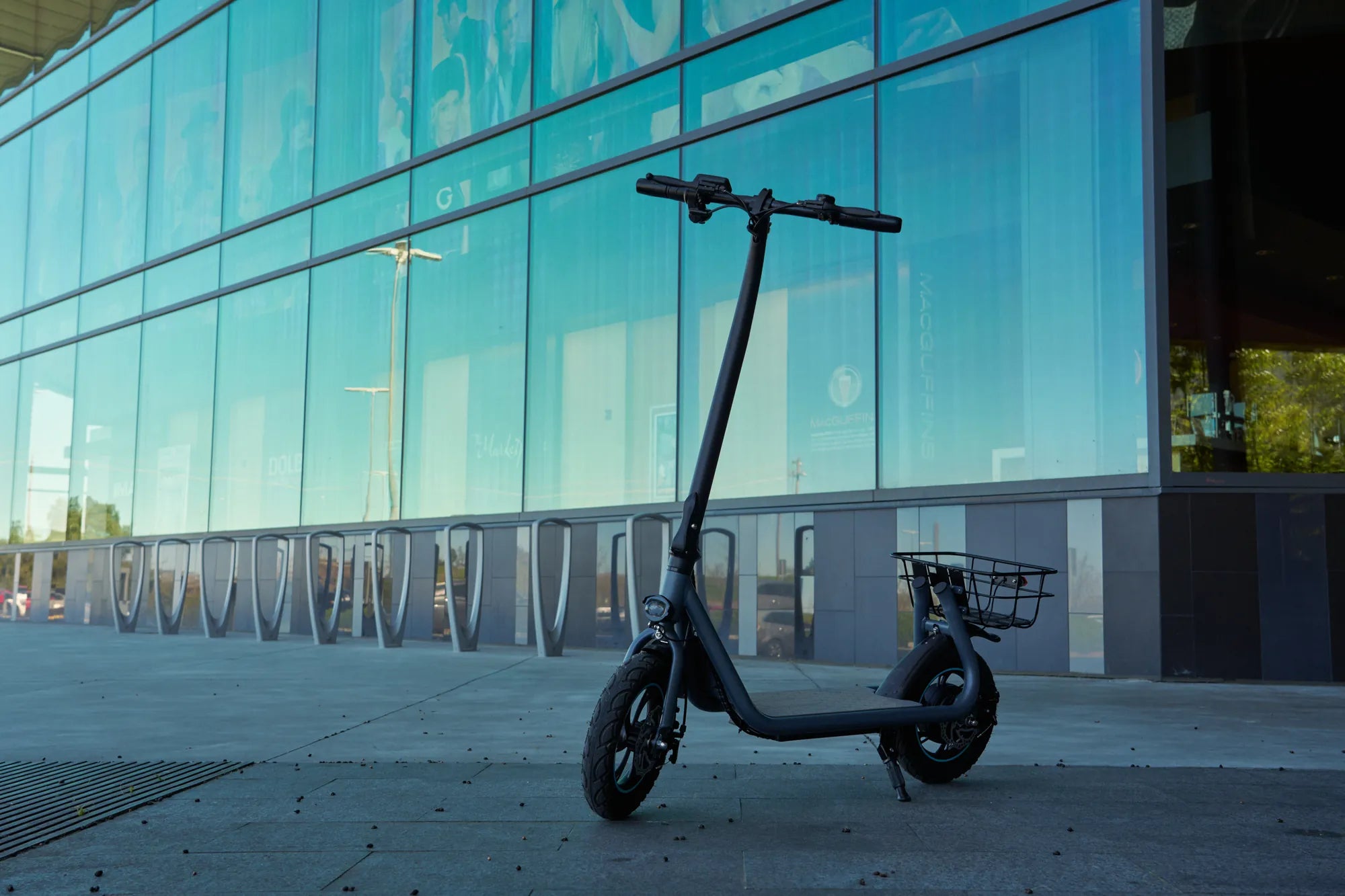
Riding an electric scooter is a fun and efficient way to get around, but maintaining balance can be tricky, especially for beginners. Whether you're commuting or just enjoying a leisurely ride, mastering balance is key to staying safe and confident. Here’s everything you need to know to keep your equilibrium on two wheels.
Understanding the Basics of Balance
Balance on an electric scooter relies on a combination of body positioning, speed control, and core stability. Unlike bicycles, scooters have smaller wheels and a shorter wheelbase, making them more sensitive to shifts in weight. To stay upright, you need to distribute your weight evenly and keep your movements smooth.
Proper Stance and Posture
Your stance is the foundation of good balance. Stand with your feet shoulder-width apart, one foot slightly forward for stability. Keep your knees slightly bent to absorb shocks and maintain flexibility. Avoid locking your legs, as this can make you more prone to wobbling. Your back should be straight, and your gaze should be forward, not down at your feet.
Weight Distribution
Uneven weight distribution is a common cause of instability. Place most of your weight on the foot that’s further back, using the front foot for steering and minor adjustments. When turning, lean your body slightly in the direction you want to go, but avoid sudden shifts that could throw you off balance.
Speed Control
Speed plays a significant role in balance. Going too slow can make the scooter wobble, while excessive speed can reduce control. Start at a moderate pace and gradually increase as you gain confidence. Use the throttle smoothly to avoid jerky movements that can disrupt your balance.
Core Strength and Stability
A strong core helps you maintain balance by keeping your upper body steady. Engage your abdominal muscles slightly while riding to reduce swaying. Practicing exercises like planks or yoga can improve your overall stability on the scooter.
Practicing in a Safe Environment
Before hitting busy streets, practice in an open, flat area with minimal obstacles. Focus on starting, stopping, and turning until these movements feel natural. Gradually introduce slight inclines or uneven surfaces to build adaptability.
Handling Uneven Terrain
Bumps, cracks, or gravel can challenge your balance. Approach obstacles at a controlled speed, lifting slightly off the deck to absorb the impact. Keep your grip firm but relaxed on the handlebars to avoid overcorrecting.
Using Your Arms for Balance
Your arms act as stabilizers. Hold the handlebars firmly but not rigidly, allowing your elbows to bend slightly. If you feel unsteady, widen your arms slightly to increase stability. Avoid sudden turns or jerks that can throw you off.
Staying Relaxed
Tension is the enemy of balance. If you’re stiff, your body can’t react naturally to changes in terrain or speed. Breathe deeply and stay loose, letting the scooter move beneath you while you maintain control.
Common Mistakes to Avoid
Over-leaning, gripping the handlebars too tightly, or looking down are common errors that disrupt balance. Stay aware of your body’s position and make small, deliberate adjustments as needed.
Building Confidence Over Time
Balance improves with practice. Start with short rides and gradually extend your distance as you feel more comfortable. Celebrate small victories, like mastering a turn or riding over a bump without losing stability.
Riding an electric scooter with confidence and balance transforms your experience from wobbly to effortless. By focusing on posture, speed, and core strength, you’ll glide smoothly through every ride. Ready to hit the streets? These tips will keep you steady and smiling mile after mile.
Electric Scooter and Battery Market Share: Trends, Growth, and Future Outlook
Fastest Electric Scooter Under $700: Speed and Affordability Combined