



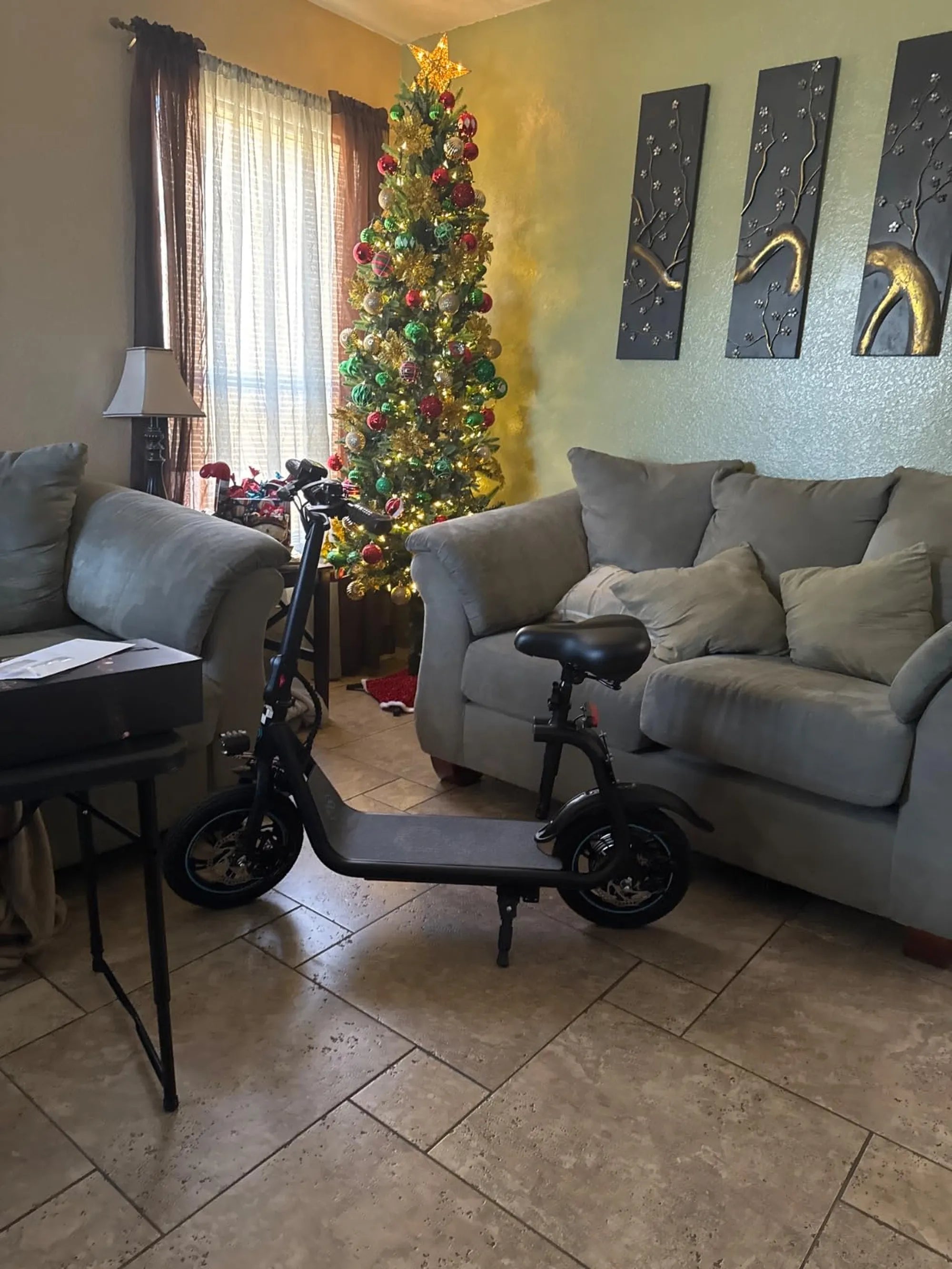
Ever wondered how to make a balancing scooter from scratch? Whether you're a tech enthusiast or a DIY hobbyist, building your own self-balancing scooter can be a rewarding project. Not only will you gain a deeper understanding of how these futuristic devices work, but you'll also have a custom ride tailored to your preferences. Let's dive into the step-by-step process of creating your very own balancing scooter.
Understanding the Basics of a Balancing Scooter
Before you start building, it's crucial to understand how a balancing scooter works. These devices rely on gyroscopic sensors and accelerometers to detect shifts in weight and maintain balance. The scooter's motor adjusts the speed and direction based on the rider's movements, ensuring a smooth and stable ride.
Essential Components You'll Need
To build a balancing scooter, you'll need the following components:
- Two electric motors (preferably brushless for efficiency)
- A rechargeable battery pack (lithium-ion is recommended)
- Gyroscopic sensors and accelerometers
- A microcontroller (such as Arduino or Raspberry Pi)
- A sturdy frame (aluminum or carbon fiber works well)
- Wheels with good traction
- Wiring and connectors
Step 1: Designing the Frame
The frame is the backbone of your balancing scooter. Start by sketching a design that accommodates all the components while ensuring stability. Cut and shape the frame material according to your design, making sure it's lightweight yet durable. Attach the wheels to the frame, ensuring they're aligned properly for smooth movement.
Step 2: Installing the Motors
Mount the electric motors onto the frame, one for each wheel. Connect the motors to the wheels using appropriate gears or belts. Ensure the motors are securely fastened to prevent vibrations or misalignment during operation.
Step 3: Wiring the Electronics
Connect the gyroscopic sensors and accelerometers to the microcontroller. These sensors will detect the scooter's tilt and send signals to the microcontroller, which will then adjust the motor speed accordingly. Wire the motors to the microcontroller, ensuring all connections are secure and insulated.
Step 4: Powering the Scooter
Attach the battery pack to the frame, ensuring it's easily accessible for charging. Connect the battery to the microcontroller and motors, using appropriate voltage regulators to prevent damage to the components. Test the power supply to ensure everything is functioning correctly.
Step 5: Programming the Microcontroller
Write or upload a program to the microcontroller that processes data from the sensors and controls the motors. The program should adjust the motor speed based on the scooter's tilt to maintain balance. Test the program thoroughly to ensure the scooter responds accurately to weight shifts.
Step 6: Final Assembly and Testing
Once all components are in place, secure them with screws or adhesive. Double-check all connections and ensure the scooter is balanced when stationary. Test the scooter in a safe, open area, making gradual adjustments to the programming or hardware as needed.
Safety Tips for Riding Your DIY Balancing Scooter
Always wear protective gear, such as a helmet and knee pads, when testing your scooter. Start on a flat, smooth surface and practice in a controlled environment. Regularly inspect the scooter for loose connections or worn-out parts to prevent accidents.
Building your own balancing scooter is not only a fun project but also a great way to learn about robotics and electronics. With patience and attention to detail, you'll soon be cruising on a custom scooter that you built yourself. Ready to take the plunge and create your own high-tech ride?
Two Wheel Smart Balance Electric Scooter UK: The Future of Urban Commuting
Electric Powered Scooters NZ: The Future of Urban Commuting