


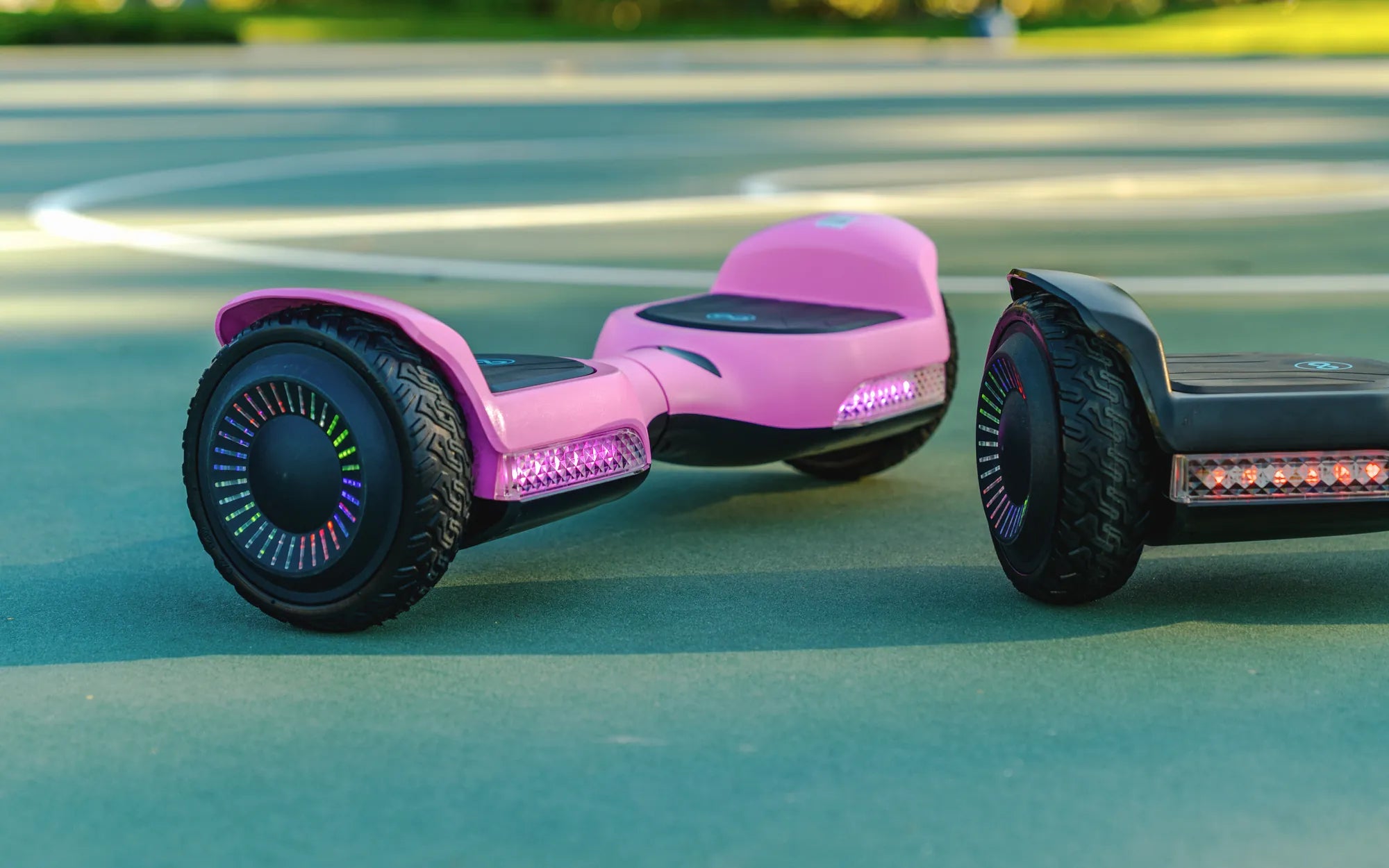
Imagine gliding effortlessly above the ground, defying gravity like a scene from a sci-fi movie. The idea of a floating hoverboard has captivated minds for decades, but how close are we to making it a reality? This guide dives deep into the mechanics, challenges, and potential solutions for creating a hoverboard that truly floats.
The Science Behind Levitation
To understand how to make a hoverboard float, we must first explore the principles of levitation. The most promising technology for this purpose is magnetic levitation, or maglev. This relies on powerful magnets or electromagnetic fields to create lift without physical contact with the ground.
Types of Magnetic Levitation
- Electromagnetic Levitation: Uses electromagnets to generate a repulsive force strong enough to lift the board and rider.
- Permanent Magnet Levitation: Leverages the natural repulsion between like poles of permanent magnets.
- Superconductors: Materials that exhibit zero electrical resistance at low temperatures, enabling stable levitation over magnetic tracks.
Key Components of a Floating Hoverboard
Building a functional hoverboard requires more than just levitation. Here are the essential components:
1. Levitation System
The core of any hoverboard is its ability to stay afloat. This involves:
- Strong magnets or electromagnets arranged to create lift.
- A power source capable of sustaining the magnetic field.
- A control system to adjust the levitation height dynamically.
2. Stabilization and Balance
Levitation alone isn’t enough—stability is crucial. A hoverboard must:
- Detect shifts in weight to maintain balance.
- Adjust the magnetic field in real-time to prevent tipping.
- Incorporate gyroscopes or accelerometers for precise control.
3. Propulsion Mechanism
Floating is one thing, but moving is another. Propulsion can be achieved through:
- Thrusters or fans for air-based movement.
- Magnetic repulsion to push against conductive surfaces.
- Directional electromagnets for controlled acceleration.
Challenges in Making a Hoverboard Float
While the concept is exciting, several hurdles stand in the way of a practical hoverboard:
1. Energy Requirements
Levitation demands significant energy, especially for electromagnets. Current battery technology may not provide enough power for extended use.
2. Surface Compatibility
Most maglev systems require specialized tracks or surfaces. Creating a hoverboard that works on everyday terrain is a major challenge.
3. Safety Concerns
High-powered magnets and fast-moving components pose risks, requiring robust safety mechanisms.
DIY Approaches to Floating Hoverboards
For hobbyists and tinkerers, here are some experimental methods to explore:
1. Magnetic Levitation Over Conductive Surfaces
Using strong magnets and a conductive surface like aluminum, you can create a rudimentary levitating platform. However, this requires precise alignment and lacks propulsion.
2. Air Cushion Technology
Some prototypes use high-powered fans to create an air cushion, similar to a hovercraft. While not true levitation, it mimics the effect.
3. Hybrid Systems
Combining magnets with other technologies, such as superconductors or aerodynamic lift, could yield better results.
The Future of Floating Hoverboards
Advancements in materials science, energy storage, and magnetic technology could bring us closer to a real floating hoverboard. Researchers are exploring:
- Room-temperature superconductors for stable levitation.
- Lightweight, high-capacity batteries for longer operation.
- Smart control systems for intuitive riding.
The dream of a floating hoverboard isn’t just for Hollywood—it’s a thrilling frontier of innovation. Whether you’re a curious enthusiast or a budding inventor, the journey to making a hoverboard float is as exciting as the destination. Ready to defy gravity?
Why Is It Called a Hoverboard If It Has Wheels? The Surprising Truth
Electric Hoverboard Under 5000: The Ultimate Guide to Affordable Fun