



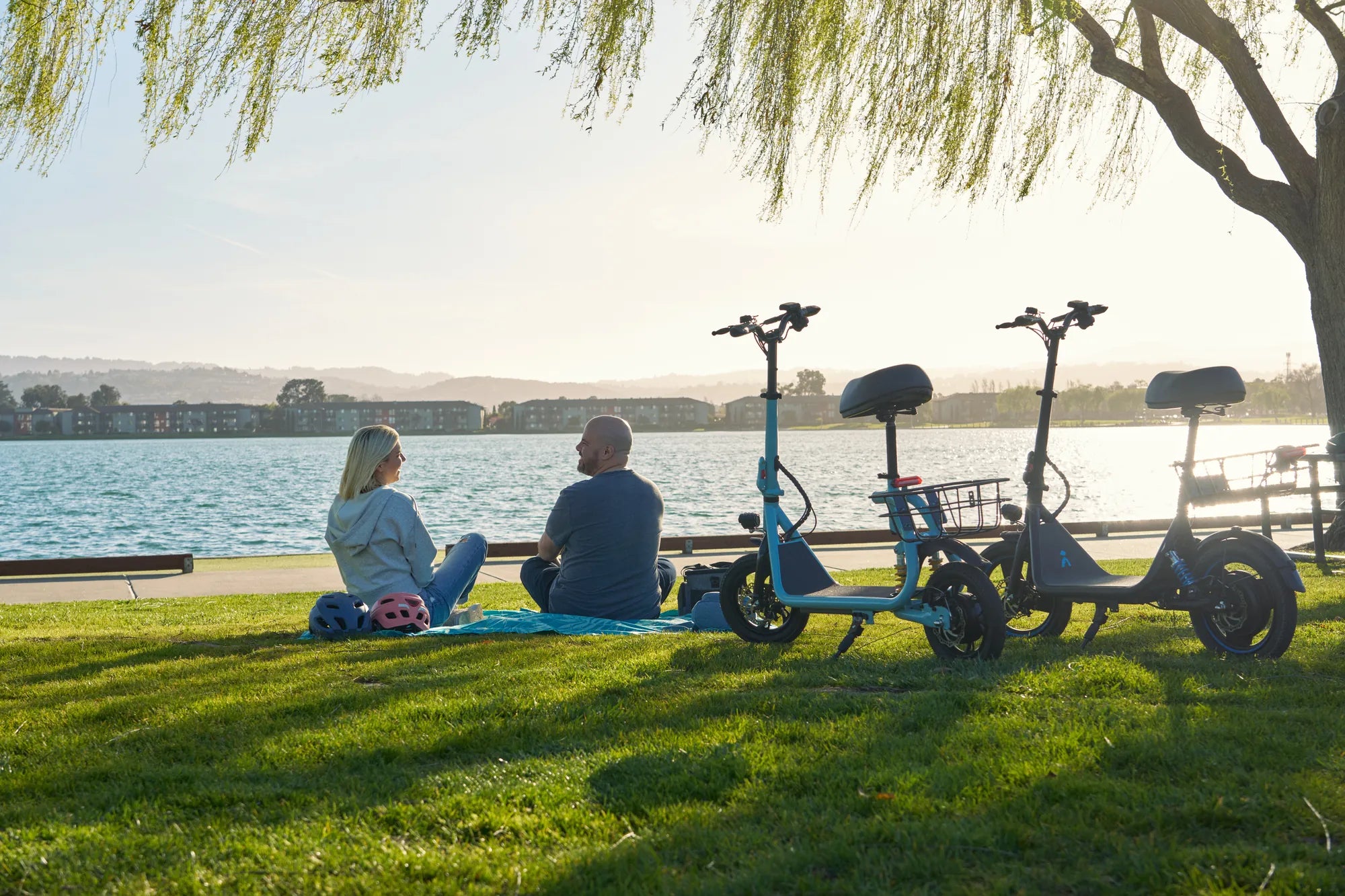
Ever dreamed of cruising around town on a custom-built electric bike? Imagine the freedom of designing your own e-bike, tailored to your style and performance needs. With the right tools and a bit of patience, you can turn that dream into reality. This guide will walk you through everything you need to know to build your very own electric bike from scratch.
Why Build Your Own Electric Bike?
Building your own electric bike offers several advantages. Not only can you save money compared to buying a pre-built model, but you also gain complete control over the design, power, and features. Whether you want a high-speed commuter or an off-road beast, a DIY e-bike lets you customize every detail.
Essential Components for Your DIY Electric Bike
Before diving into the build, you'll need to gather the following key components:
- Bicycle Frame: Choose a sturdy frame that can handle the added weight and power of an electric motor.
- Electric Motor: Hub motors or mid-drive motors are popular choices, each with its own pros and cons.
- Battery Pack: Lithium-ion batteries are lightweight and offer excellent energy density.
- Controller: This regulates power flow between the battery and motor.
- Throttle or Pedal Assist System: Decide whether you want a throttle-controlled or pedal-assist e-bike.
- Wiring and Connectors: High-quality wiring ensures efficient power delivery.
Tools You'll Need
To assemble your electric bike, you'll need a few basic tools:
- Wrenches and screwdrivers
- Wire cutters and strippers
- Multimeter for testing electrical connections
- Zip ties and electrical tape
- Bike stand or workbench
Step-by-Step Guide to Building Your Electric Bike
Step 1: Choose the Right Bicycle
Start with a reliable bicycle that matches your intended use. Mountain bikes, hybrids, or commuter bikes are great choices. Ensure the frame is in good condition and can support the additional components.
Step 2: Install the Motor
Depending on your motor type, installation will vary. Hub motors replace the front or rear wheel, while mid-drive motors attach to the bike's bottom bracket. Follow the manufacturer's instructions carefully.
Step 3: Mount the Battery
Secure the battery pack to the frame using a sturdy mounting bracket. Position it for optimal weight distribution and accessibility. Ensure the battery is protected from water and debris.
Step 4: Connect the Controller
Wire the controller between the battery and motor. Use waterproof connectors and secure all wiring with zip ties to prevent tangling or damage.
Step 5: Install the Throttle or Pedal Assist
Attach the throttle to the handlebars or install the pedal assist sensor on the crank. Test the system to ensure smooth operation.
Step 6: Test and Fine-Tune
Before hitting the road, test all components in a safe area. Check for loose connections, proper braking, and smooth acceleration. Adjust settings as needed for optimal performance.
Safety Tips for Your DIY Electric Bike
Building an e-bike is exciting, but safety should always come first. Follow these tips:
- Wear a helmet and protective gear.
- Regularly inspect wiring and connections.
- Use a battery management system to prevent overcharging.
- Obey local e-bike laws and regulations.
Maintenance and Upkeep
To keep your DIY electric bike running smoothly, perform regular maintenance:
- Check tire pressure and brake function.
- Clean and lubricate the chain.
- Monitor battery health and recharge properly.
- Inspect motor mounts and wiring periodically.
Ready to hit the road on your custom-built electric bike? With this guide, you have all the knowledge to create a powerful, efficient, and personalized e-bike. Enjoy the thrill of riding something you built with your own hands—it's an experience like no other!
Electric Bike for Baby Girl: The Ultimate Guide to Safe and Fun Rides
Cost of Electric Bike in India: A Comprehensive Guide for Buyers