


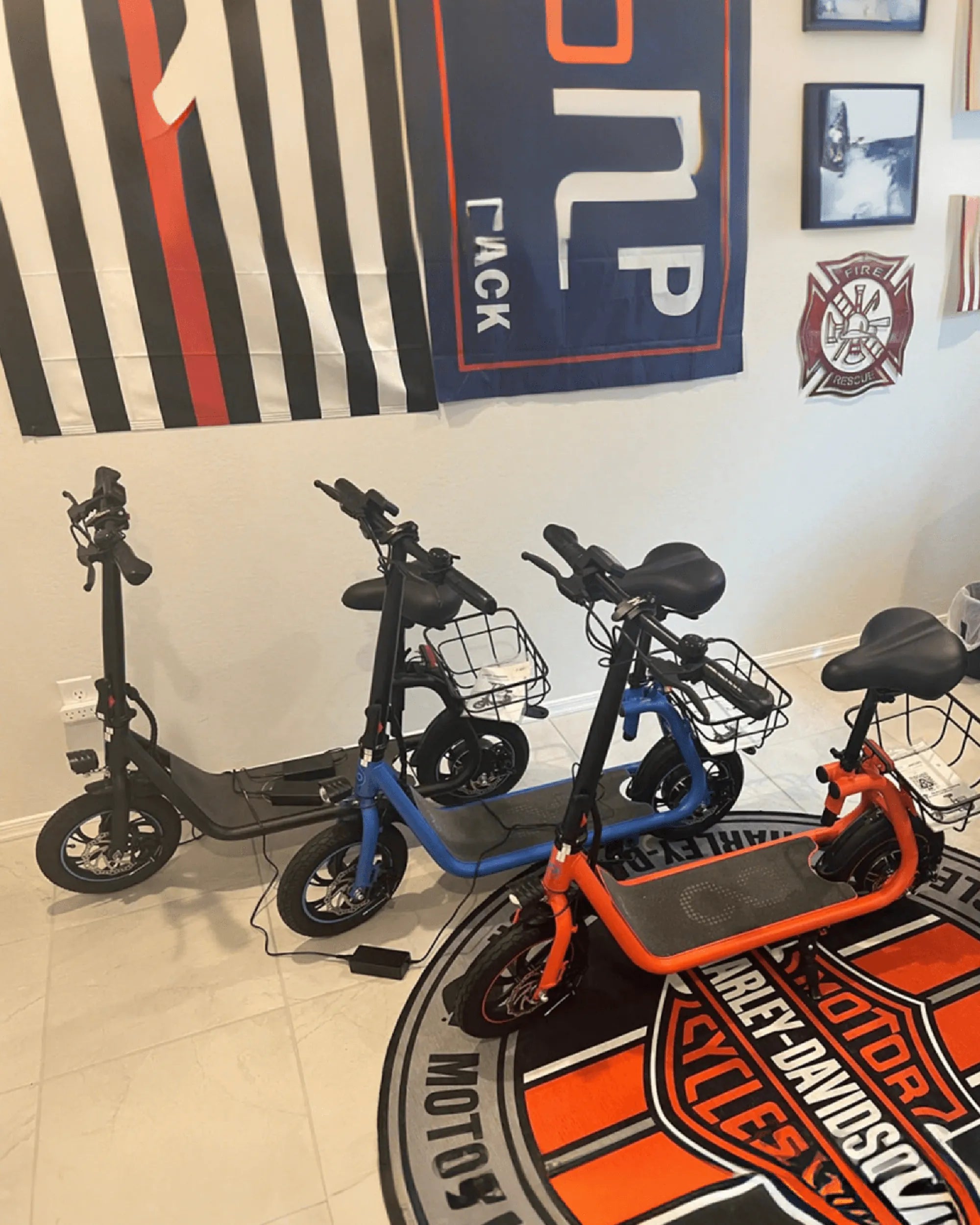
Electric scooters are a convenient and eco-friendly way to get around, but many come with built-in speed limiters to comply with local regulations. If you're looking to unlock your scooter's full potential, you might be wondering how to remove the limiter on an electric scooter. While this can boost performance, it's essential to understand the risks and legal implications before proceeding. This guide will walk you through the process safely and responsibly.
Understanding Electric Scooter Limiters
Most electric scooters are equipped with speed limiters to ensure they comply with local laws, which often cap their top speed. These limiters can be hardware-based (like a physical governor) or software-based (programmed into the scooter's controller). Removing them can increase speed but may void warranties, reduce battery life, or even make your scooter illegal to ride in certain areas.
Legal and Safety Considerations
Before attempting to remove a limiter, check your local laws. Many regions classify scooters based on their maximum speed, and modifying yours could place it in a different legal category. Additionally, higher speeds increase the risk of accidents, so ensure your scooter's brakes, tires, and frame can handle the extra strain.
Step-by-Step Guide to Removing the Limiter
1. Identify the Type of Limiter
First, determine whether your scooter has a hardware or software limiter. Hardware limiters are often physical devices connected to the motor or throttle, while software limiters are controlled by the scooter's firmware.
2. Access the Scooter's Controller
For software limiters, you'll need to access the scooter's controller, usually located under the deck or near the battery. Disconnect the battery before opening any panels to avoid electrical hazards.
3. Modify Firmware or Bypass Hardware
If your scooter uses software limiting, you may need to reprogram the controller using a compatible app or diagnostic tool. For hardware limiters, carefully disconnect or bypass the limiting device, ensuring you don't damage other components.
4. Test and Monitor Performance
After removing the limiter, test your scooter at low speeds first. Monitor battery life and motor temperature, as higher speeds can strain these components.
Alternative Methods to Increase Speed
If removing the limiter seems too risky, consider these safer alternatives:
- Upgrade the battery: A higher-voltage battery can provide more power.
- Change the tires: Lighter or smoother tires reduce rolling resistance.
- Reduce weight: Carry less cargo to improve acceleration and top speed.
Risks of Removing the Limiter
Unlocking your scooter's speed comes with downsides:
- Reduced battery life: Higher speeds drain the battery faster.
- Overheating: The motor and controller may overheat under prolonged stress.
- Safety hazards: Brakes and tires may not be designed for higher speeds.
Ready to unleash your electric scooter's hidden power? By following these steps carefully, you can safely remove the limiter and enjoy a faster ride—just remember to prioritize safety and legality. Whether you're commuting or cruising, a little extra speed can make all the difference!
Gift Guide for Little Girls: The Ultimate List of Fun and Thoughtful Presents
What Does D Mean on Electric Scooter: Decoding the Mystery