

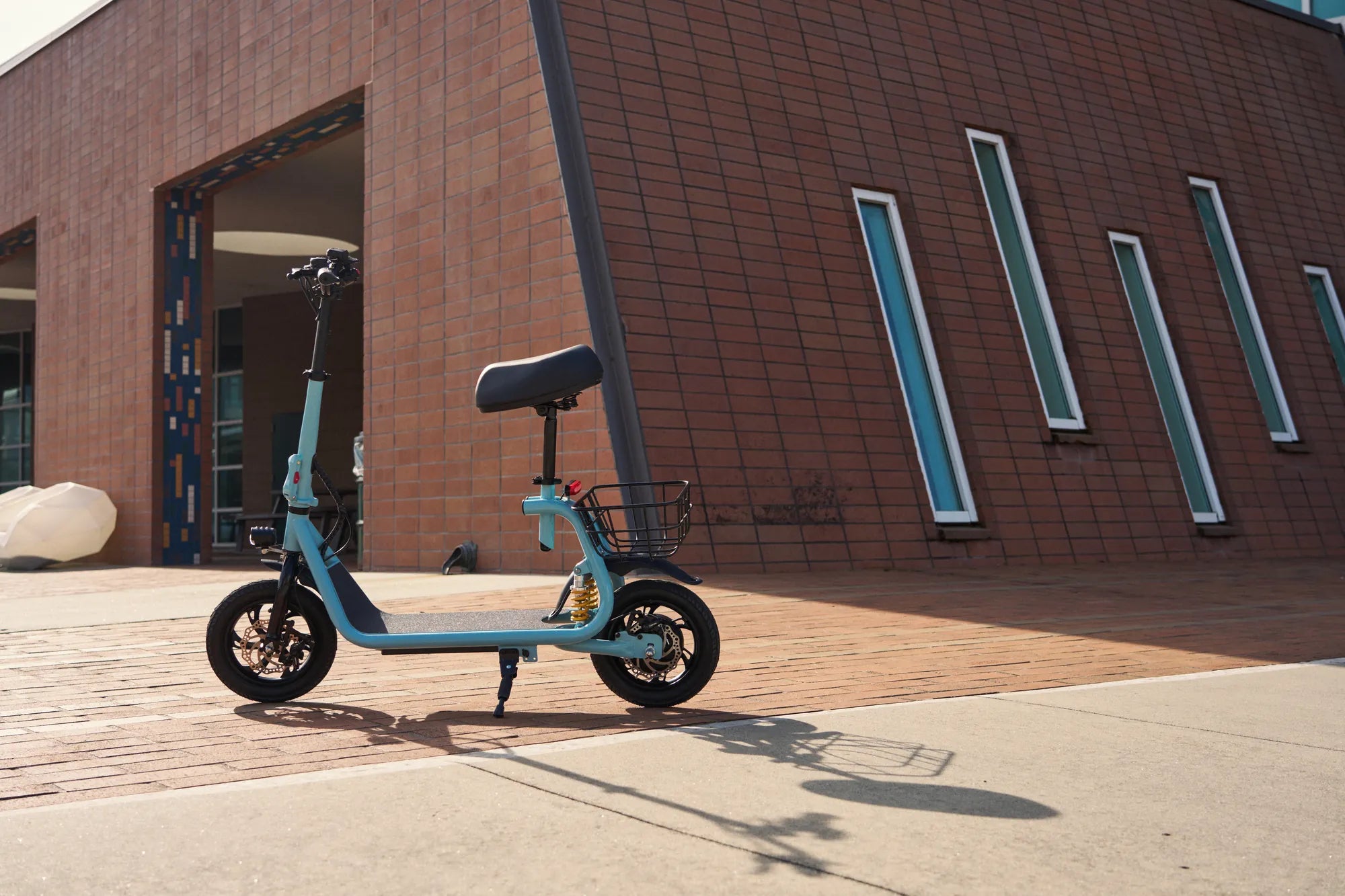
Electric bikes are revolutionizing the way we commute, offering a blend of convenience, speed, and eco-friendliness. If you're about to hop on one for the first time, the excitement is real—but so are the nerves. Don't worry; this step-by-step guide will turn your maiden ride into a breeze.
Getting Familiar with Your Electric Bike
Before you hit the road, take a moment to understand your e-bike's components. Unlike traditional bicycles, electric bikes come with a motor, battery, and often a display panel. Familiarize yourself with the throttle (if present), pedal-assist settings, and brakes. Knowing where everything is will help you react quickly while riding.
Mounting the Bike
Start by adjusting the seat height so your feet can comfortably touch the ground when stopped. Stand over the bike, grip the handlebars firmly, and swing your leg over. Ensure the bike is stable before you begin pedaling. If your e-bike has a kickstand, retract it fully to avoid accidents.
Starting and Stopping Smoothly
Begin in a flat, open area to practice starting and stopping. Turn on the bike using the power button, usually located near the display. If your bike has pedal assist, start pedaling gently—the motor will engage automatically. For throttle-controlled bikes, twist the throttle slowly to avoid sudden acceleration. When stopping, squeeze the brakes gradually to come to a smooth halt.
Mastering Speed and Balance
Electric bikes are heavier than regular bikes, so balance is key. Start at a low speed to get used to the weight and handling. Keep your body centered, relax your grip on the handlebars, and look ahead—not down. As you gain confidence, experiment with higher pedal-assist levels or throttle settings.
Navigating Turns and Obstacles
Lean slightly into turns and avoid sharp movements. Electric bikes respond differently to steering inputs due to their weight and power. Practice turning in a safe space before taking on busy streets. When approaching obstacles like potholes or curbs, slow down and lift slightly off the seat to absorb the impact.
Braking Techniques
Most e-bikes have disc brakes, which are more responsive than traditional rim brakes. Use both brakes evenly to avoid skidding. The front brake provides most of the stopping power, but applying it too hard can send you over the handlebars. Practice braking at different speeds to get a feel for the bike's stopping distance.
Riding in Traffic
When riding in traffic, stay visible and predictable. Use hand signals for turns, obey traffic laws, and maintain a safe distance from vehicles. Be extra cautious at intersections, as drivers may not anticipate your speed. If your bike has lights, use them even during the day for added visibility.
Battery Management
Keep an eye on your battery level, especially during longer rides. Lower pedal-assist modes conserve battery life, while higher modes drain it faster. Plan your route to include charging stops if needed. Avoid fully depleting the battery, as it can reduce its lifespan.
Safety Gear and Precautions
Always wear a helmet, and consider additional gear like gloves and reflective clothing. Check tire pressure and brakes before each ride. If you're riding at night, ensure your bike has working lights and reflectors. Carry a basic repair kit for minor fixes on the go.
Riding an electric bike for the first time is an adventure waiting to unfold. With these tips, you'll not only stay safe but also enjoy the freedom and fun that e-bikes bring. So, gear up, hit the road, and let the ride take you places—literally!
Best Electric Bike with Dog Carrier: The Ultimate Guide for Pet Lovers
Customized 60 Volt Lithium Ion Battery for Electric Bike: The Ultimate Guide to Powering Your Ride