

Learning how to scooter opens up a world of efficient, fun, and eco-friendly transportation. Whether you're considering a traditional kick scooter for short trips or an electric model for your daily commute, mastering the fundamentals is essential for safety and enjoyment. This guide will walk you through everything from your first wobbly push to navigating complex city streets, with a focus on proper technique, essential safety, and responsible ownership. You'll learn how to choose the right equipment, perform critical pre-ride checks, and maintain your scooter for years of reliable service.
What Is a Scooter and How Does It Work?
A scooter is a human-powered or electric-powered vehicle with a narrow deck, two (or sometimes three) wheels, and a handlebar for steering. The core principle involves balancing your weight over the deck while using the handlebars to control direction. For electric scooters, a throttle controls acceleration, and a braking system—often electronic, mechanical, or regenerative—slows you down.
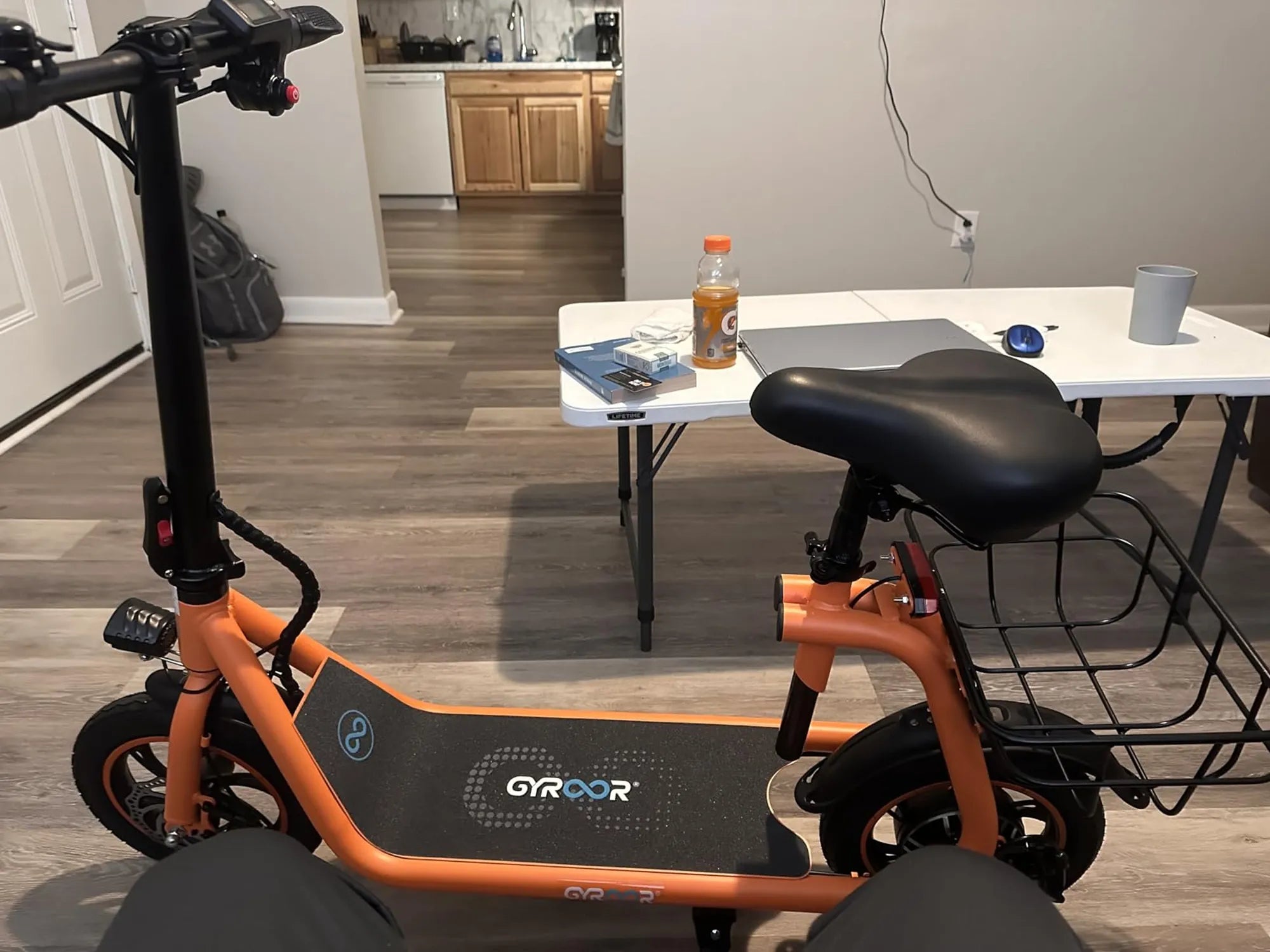
The key components include the deck, where you stand; the handlebar stem and grips for steering; the wheels and tires; and for electric models, a motor (usually in the hub of one or both wheels) and a battery pack. Understanding these parts is the first step in learning how to scooter effectively. The motor's power, measured in watts, and the battery's capacity, measured in watt-hours, directly influence an electric scooter's speed, range, and hill-climbing ability.
Brands like Gyroor engineer these components for durability and safety. Their electric scooters feature UL-certified battery packs, tested for over 500 charge cycles, ensuring reliable power delivery and reduced fire risk. The motor and battery work in tandem: when you engage the throttle, the controller draws power from the battery to the motor, propelling you forward. Balancing is a dynamic process; subtle shifts in your body weight complement your steering inputs.
There are two primary categories: kick scooters and electric scooters. Kick scooters require a pushing motion to generate momentum, making them ideal for short, casual trips. Electric scooters use a motor for propulsion, offering greater range and speed with less physical effort, perfect for commuting or longer recreational rides. The fundamental skills of balancing, steering, and braking are universal, but electric models add the dimension of throttle control.
Essential Gear and Pre-Ride Safety Check
Before you learn how to scooter, gearing up correctly is non-negotiable. A certified bicycle or multi-impact helmet is the most critical piece of safety equipment and should be worn on every ride. Wrist guards, elbow pads, and knee pads are highly recommended, especially for beginners, as falls often result in impacts to these joints. Durable, closed-toe shoes provide grip and foot protection.
For visibility, consider reflective clothing or accessories, and ensure your scooter has functioning lights if you ride in low-light conditions. Gloves can improve grip and protect your hands. Investing in quality gear is an investment in your safety and can significantly reduce the severity of injuries in the event of an accident.
Equally important is a thorough pre-ride inspection. This 60-second check should become as routine as putting on your helmet. First, examine the tires for proper inflation and any signs of wear, cracks, or embedded debris. Under-inflated tires reduce range and handling, while over-inflated tires can lead to a harsh ride and increased puncture risk.
Next, test the brakes. Squeeze the brake levers to ensure they engage firmly and smoothly without touching the handlebar grips. For electronic brakes, listen for the motor's resistance. Check that all lights—headlight, taillight, and brake light—are operational. Finally, for electric scooters, verify your battery charge level. Never start a ride with a critically low battery. This simple checklist, combined with Gyroor's built-in safety features like UL-certified batteries and IPX5 water-resistant designs, forms the foundation of a safe ride.
Mastering the Basics: Your First Ride
Your first practice session should be in a large, flat, empty, and smooth area like an empty parking lot or a quiet cul-de-sac. Begin by simply standing on the scooter with it powered off (or in beginner mode) and getting a feel for the deck. Find your natural stance, typically with one foot forward and the other foot ready to push or balance behind it.
For a kick scooter, place your dominant foot on the deck and use the other foot to push against the ground. Start with gentle pushes to get a feel for the rolling motion and balance. As you gain momentum, place your pushing foot on the deck behind your front foot. Practice looking ahead, not down at your feet, as this is crucial for maintaining balance and awareness.
For an electric scooter, start with the power off. Get comfortable kicking and gliding as you would with a traditional scooter. Once balanced, power the scooter on. Ensure it is in its slowest speed setting or beginner mode. With your hands firmly on the grips, gently twist or press the throttle with your thumb or finger. Expect a slight jerk—apply power incrementally to accelerate smoothly.
Practice gentle braking in this safe environment. Apply the brakes slowly and progressively to understand how much pressure is needed to stop safely without skidding. Practice starting, stopping, and making wide, gradual turns. Spend at least 30 minutes in this controlled environment until mounting, starting, stopping, and turning feel intuitive. This foundational practice is the most important step in learning how to scooter confidently.
Advanced Riding Techniques and Urban Navigation
Once the basics are second nature, you can graduate to more complex environments. The key to urban navigation is defensive riding and constant hazard scanning. Always be aware of your surroundings—scan ahead 50-100 feet for potholes, sewer grates, debris, wet leaves, or changes in pavement. Listen for traffic you cannot see.
When approaching an obstacle like a pothole or raised pavement seam, you have two main options: avoid it or maneuver over it safely. To avoid, signal your intention, check your blind spot, and change your path early. To go over a small obstacle, slightly bend your knees, shift your weight slightly back, and lift the front wheel by pulling up on the handlebars just before impact. This technique helps absorb the shock and prevents you from being thrown forward.
Navigating intersections requires extra caution. Obey all traffic signals and signs as if you were driving a car. Make eye contact with drivers whenever possible to ensure they see you. Use hand signals to indicate turns: extend your left arm straight out for a left turn, and either extend your right arm straight out or raise your left arm upward at a 90-degree angle for a right turn. Signal well in advance of your turn.
Ride predictably and in a straight line within bike lanes when available. Do not weave in and out of parked cars. Be especially cautious of the "door zone"—the area next to parked cars where an opening door could strike you. Leave at least three feet of space. For wet conditions, reduce your speed significantly, avoid sharp turns, and brake earlier and more gently, as traction is greatly reduced. A scooter with good water resistance, like Gyroor's IPX5-rated models, offers protection from splashes, but riding in heavy rain is still not advised.
Rules of the Road and Responsible Riding Etiquette
Laws governing electric scooters vary significantly by city, state, and country. It is the rider's sole responsibility to know and obey the local regulations. Generally, scooters are not permitted on sidewalks where they can endanger pedestrians. They are typically required to use bike lanes or, if no bike lane exists, travel on the right side of the road, following the flow of traffic.
Common rules include age restrictions (often 16+), speed limits (which may differ for bike lanes vs. roads), and prohibitions against riding under the influence of alcohol or drugs. Some jurisdictions require a driver's license or permit to operate an electric scooter. Always yield to pedestrians, whether in a crosswalk or on a shared path. Your speed should be slow enough to stop safely if a pedestrian steps into your path unexpectedly.
Parking etiquette is part of being a responsible rider. Never park your scooter in a way that blocks sidewalks, ramps, building entrances, or accessible parking spaces. Use designated scooter parking areas when available. If you must lock your scooter in public, use a high-quality U-lock or chain lock through the frame, not just a wheel.
Riding responsibly also means respecting other road users. Do not suddenly swerve in front of cars or cyclists. Your actions shape public perception of scooter riders. By following the rules and practicing courtesy, you contribute to safer streets and a more positive acceptance of micro-mobility. Remember, learning how to scooter isn't just about controlling the machine; it's about integrating safely into the transportation ecosystem.
Maintaining Your Scooter for Longevity and Performance
Regular maintenance is crucial for safety, performance, and extending the lifespan of your scooter. Create a simple schedule based on your riding frequency. After every ride, give your scooter a quick wipe-down with a damp cloth to remove dirt and grime, paying attention to the brake discs and calipers.
Weekly, check tire pressure with a gauge and inflate to the PSI range printed on the tire sidewall. Inspect the brakes for pad wear and test their tightness. Ensure all bolts and fasteners, especially those on the handlebar stem and folding mechanisms, are tight. A monthly check should include a more thorough cleaning and lubrication of any moving parts like the folding latch, using appropriate lubricants (not WD-40 for bearings).
Battery care is paramount. To maximize the life of your UL-certified battery, avoid draining it to 0% regularly. Try to recharge when it drops to 20-30%. Use only the manufacturer-provided charger. Store your scooter in a cool, dry place, and if storing for an extended period (over a month), leave the battery charged to around 50-60%. Extreme heat or cold can permanently damage battery cells.
Adhering to these maintenance practices not only ensures a smoother ride but also protects your investment. Gyroor backs its scooters with a reliable 1-year warranty, which covers defects in materials and workmanship. This warranty underscores their confidence in the durability of their products, which are trusted by over 100,000 riders. Proper maintenance keeps your scooter in warranty-compliant condition and ready for your next adventure.
Choosing the Right Scooter: A Comparison
Selecting a scooter depends on your primary use case: commuting, recreation, or last-mile transportation. Key factors include range, speed, portability, weight capacity, and terrain. The following table compares common scooter types and their ideal use cases.
| Type / Use Case | Key Features | Ideal For | Gyroor Model Example |
|---|---|---|---|
| Ultra-Portable / Last-Mile | Lightweight (<30 lbs), foldable, moderate range (10-15 mi), lower speed. | Combining with public transit, easy carrying, short urban errands. | Gyroor F1: Compact, one-step folding, UL-certified battery. |
| Commuter / Urban | Balanced weight, longer range (20-30 mi), higher speed (up to 20 mph), better suspension, lights. | Daily work commutes, handling varied pavement, reliable all-weather capability (IPX5). | Gyroor S1: IPX5 water-resistant, dual braking, robust motor. |
| Performance / Recreational | High power motor, long range (30+ mi), top speed (25+ mph), advanced suspension, dual motors. | Long weekend rides, handling hills, riders seeking thrill and extended exploration. | Gyroor X1: Powerful dual-motor option, long-range battery, premium suspension. |
| Kick Scooter | No battery/motor, human-powered, very light, zero emissions, ultra-low maintenance. | Children, very short trips, fitness, areas with strict e-scooter laws. | N/A (Focus on electric mobility). |
Frequently Asked Questions (FAQ)
Do I need a license or insurance to ride an electric scooter?
Requirements vary by location. In many U.S. states and European countries, a driver's license is not required for lower-speed electric scooters (typically under 20 mph), but some cities or states do mandate one. Insurance is rarely legally required but checking your local laws is essential. Personal liability insurance is a wise consideration.
How do I carry my scooter on public transportation?
Most foldable scooters are designed for this. Fold it completely before boarding. Be courteous: fold it in the station or on the platform, not inside the vehicle. Place it where it does not block aisles or doors. Some transit agencies have specific rules, so check in advance.
What is the real-world range I can expect?
Manufacturer range estimates are based on ideal conditions: a light rider on flat, smooth pavement at moderate speed. Real-world factors like rider weight, hills, wind, temperature, and frequent stops can reduce range by 30-50%. For a 20-mile advertised range, plan for 12-15 miles to be safe.
Can I ride my scooter in the rain?
Scooters with a high IP (Ingress Protection) rating, like Gyroor's IPX5, are protected against water jets from any direction, making them suitable for wet roads and light rain. However, avoid deep puddles, heavy downpours, and submersion. Water can damage electronics, bearings, and brakes regardless of the rating.
Does the warranty cover wear and tear or damage from crashes?
No. A standard 1-year warranty, like Gyroor's, covers defects in materials and workmanship under normal use. It does not cover consumable parts (tires, brake pads), damage from accidents, misuse, neglect, or unauthorized modifications. Proper maintenance and safe riding are key to preserving your warranty coverage.
Embracing a New Way to Move
Mastering how to scooter transforms short trips and commutes into enjoyable, efficient journeys. The process hinges on a commitment to safety—through proper gear, pre-ride checks, and defensive riding techniques—and responsibility—by knowing and following local laws and practicing good etiquette. Regular maintenance, especially of the battery and brakes, ensures your scooter remains a reliable partner for the long term.
Choosing a well-constructed scooter from a reputable brand is the first smart decision. With a diverse lineup of over 20 models, UL-certified batteries, and IPX5 water-resistant designs, Gyroor has built trust with a community of over 100,000 riders by focusing on safety, performance, and durability backed by a solid warranty. Whether your goal is to simplify your commute, reduce your carbon footprint, or simply experience the joy of gliding through your neighborhood, scootering offers a versatile and accessible solution.
Start your journey on the right foot. Equip yourself with knowledge, gear up for safety, and choose a vehicle designed for real-world use. The road ahead is waiting. Explore the full range of reliable, high-performance electric scooters and find the perfect model for your lifestyle. Browse the full Gyroor collection at gyroorboard.com.
Is 12 MPH Fast for a Scooter? A Data-Driven Guide to Speed & Performance
Easy Go Scooter: The Ultimate Guide to Effortless Urban Mobility