



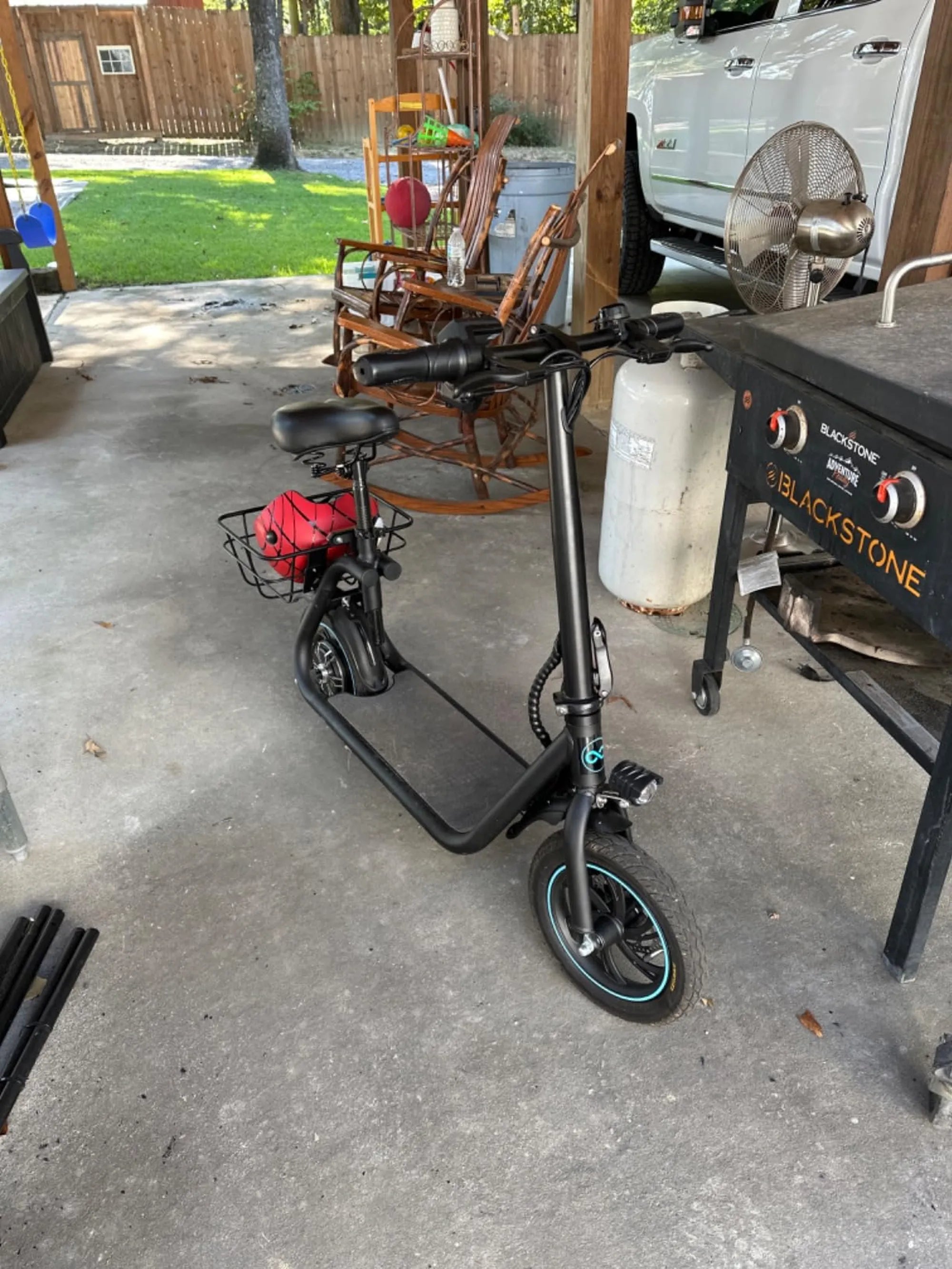
Riding an e-scooter with improperly inflated tires is like driving a car with flat tires—it’s unsafe, inefficient, and can lead to costly damage. Whether you’re a daily commuter or a weekend rider, knowing how to tell if e scooter pressure is fine is essential for a smooth and safe ride. Let’s dive into the details to ensure your tires are always in top condition.
Why Proper Tire Pressure Matters
Maintaining the right tire pressure isn’t just about comfort—it affects your e-scooter’s performance, battery life, and safety. Underinflated tires increase rolling resistance, forcing the motor to work harder and draining the battery faster. Overinflated tires, on the other hand, reduce traction and make the ride uncomfortably bumpy. The sweet spot ensures optimal efficiency, grip, and ride quality.
How to Check E-Scooter Tire Pressure
Checking your e-scooter’s tire pressure is a simple process, but it requires the right tools and techniques. Here’s a step-by-step guide:
Step 1: Find the Recommended Pressure
Most e-scooters have the recommended tire pressure printed on the sidewall of the tire or in the user manual. Typical ranges are between 30 to 50 PSI (pounds per square inch), but this varies by model.
Step 2: Use a Reliable Pressure Gauge
A digital or analog tire pressure gauge is the most accurate way to measure pressure. Avoid relying on visual inspections or thumb tests, as these are often misleading.
Step 3: Check When Tires Are Cold
Tire pressure increases when the tires warm up from riding. For the most accurate reading, check the pressure before your ride or after the scooter has been idle for at least an hour.
Step 4: Inflate or Deflate as Needed
If the pressure is too low, use a portable pump or visit a bike shop to inflate the tires. If it’s too high, gently release air using the gauge’s pressure release valve or a small tool.
Signs Your E-Scooter Tire Pressure Is Off
Even without a gauge, certain symptoms can indicate improper tire pressure:
- Poor Handling: If your scooter feels sluggish or unstable, the tires may be underinflated.
- Excessive Vibration: Overinflated tires transmit more road vibrations, making the ride harsh.
- Uneven Tire Wear: Low pressure causes the edges to wear faster, while high pressure wears the center.
- Reduced Range: A sudden drop in battery efficiency often points to underinflated tires.
How Often Should You Check Tire Pressure?
For optimal performance, check your e-scooter’s tire pressure at least once a week. If you ride daily or over rough terrain, consider checking every few days. Regular maintenance prevents unexpected flats and extends tire life.
Tips for Maintaining Proper Tire Pressure
Keeping your e-scooter’s tires in great shape doesn’t have to be a chore. Follow these tips:
- Invest in a quality portable pump with a built-in gauge for on-the-go adjustments.
- Store your scooter in a cool, dry place to prevent pressure fluctuations from temperature changes.
- Inspect tires regularly for punctures, cracks, or embedded debris that could cause leaks.
Riding with the correct tire pressure isn’t just about avoiding flats—it’s about maximizing your e-scooter’s potential. A well-inflated tire ensures better speed, efficiency, and safety, so don’t skip this simple yet crucial maintenance step. Next time you hop on your scooter, take a moment to check the pressure—your ride (and your wallet) will thank you!
Can a 14 Year Old Ride an Electric Bike? Exploring the Rules and Safety Tips
Top Selling E Scooter: The Ultimate Guide to Choosing the Best Ride